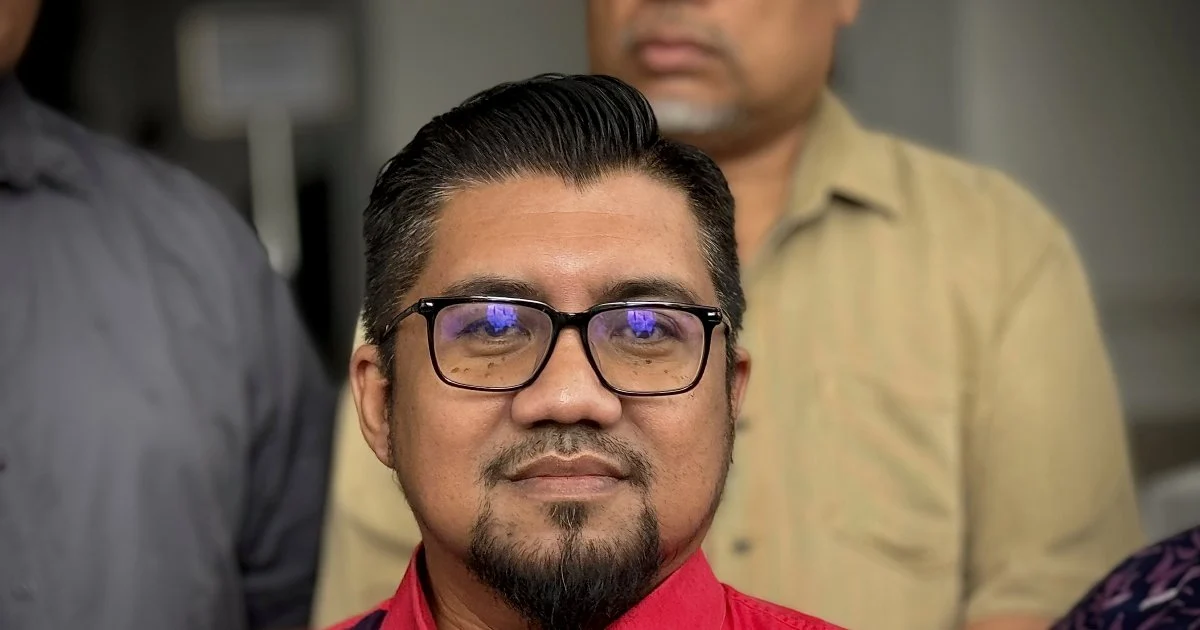
The High Court in Kuala Lumpur has reversed a previous acquittal decision and instructed political activist Badrul Hisham Shaharin, widely known as Che'gu Bard, to enter his defence in connection with defamation allegations against His Majesty Sultan Ibrahim, the King of Malaysia. The case centres on public statements the activist reportedly made concerning a claimed audience with senior political figures dating back approximately two years.
This reversal represents a significant procedural turn in the legal proceedings against the activist, moving the case from an earlier dismissal stage to a full defence phase. The High Court's decision to overturn the initial acquittal indicates the judicial examination found sufficient grounds to proceed with the case, requiring Che'gu Bard to now present evidence and arguments countering the defamation allegations. Such reversals, while not uncommon in complex legal matters, signal that the court identified issues with the earlier dismissal that warranted further proceedings.
Defamation cases involving members of the Malaysian royal family carry considerable legal weight within the country's judicial framework. The laws protecting the dignity and reputation of the Yang di-Pertuan Agong and state rulers form a foundational element of Malaysia's constitutional provisions. These protections reflect the institution's constitutional role and the cultural significance accorded to the monarchy in Malaysian society. When legal proceedings proceed to the defence stage in such matters, they typically attract substantial public and political attention.
Che'gu Bard has established himself as a vocal political commentator and activist in Malaysian civil society circles. His public statements and activism have frequently generated controversy and legal scrutiny over recent years. The statements at the centre of this case reportedly related to a purported meeting between the monarch and various political leaders, a claim that apparently drew official challenge. The nature of these statements and their characterisation as defamatory hinges on how they were framed and their factual basis.
The two-year timeframe mentioned in relation to the original audience allegation suggests these events occurred during a significant period in Malaysian politics. During this window, the country experienced substantial political developments, ministerial transitions, and shifts in coalition alignments. Understanding the political context surrounding these statements becomes essential for comprehending the circumstances that prompted legal action.
Defamation law in Malaysia distinguishes between statements of fact and expressions of opinion, though the distinction frequently becomes contested in court proceedings. Allegations of defamation against the Crown typically require demonstration that statements were false, published to third parties, and caused reputational harm. The defence stage will likely involve Che'gu Bard presenting evidence regarding the factual basis of his statements or arguing they represented legitimate political commentary protected by principles of free expression.
The reversal of an earlier acquittal can occur when the appellate court identifies procedural errors, misapplication of law, or insufficient consideration of evidence. The High Court's decision suggests that judicial review of the lower court's reasoning found deficiencies warranting another examination of the matter. This procedural development carries implications for how similar cases may be handled in future, particularly those involving politically sensitive statements about public figures.
For Malaysian civil society and media organisations, this case intersects important questions regarding the scope of protected speech, particularly when statements concern the monarchy. The balance between protecting constitutional institutions and preserving space for legitimate political discourse remains an ongoing tension within Malaysia's legal landscape. Journalists, commentators, and activists monitor such proceedings carefully, recognising them as indicators of the practical boundaries of free expression.
The fact that the case proceeded to reversal rather than remaining at acquittal also underscores the complexity of defamation jurisprudence in Malaysia. Courts must weigh competing interests: protecting institutions fundamental to constitutional governance against safeguarding democratic participation through political commentary. These cases rarely present entirely clear-cut scenarios, and appellate courts frequently grapple with nuanced questions about intention, impact, and permissible speech.
As Che'gu Bard now enters the defence phase, the case will likely expand into a full examination of the statements in question, their context, and their factual foundation. The defence will have opportunity to present witnesses, documentary evidence, and expert testimony supporting their position. This process may extend considerably, drawing this matter through the courts over coming months or potentially longer.
The case also occurs within Malaysia's broader political landscape, where civil-military relations, institutional independence, and democratic governance remain subjects of ongoing national conversation. High-profile legal proceedings involving political activists receive scrutiny not only from domestic observers but increasingly from international media and civil rights organisations monitoring judicial independence and freedom of expression in the region.
Ultimately, the High Court's reversal decision ensures this matter receives full judicial examination rather than concluding at the preliminary stage. Whatever emerges from the defence proceedings will contribute to the developing jurisprudence around defamation, royal protection laws, and political speech in Malaysia—precedents that will shape similar cases long after this particular dispute concludes.

