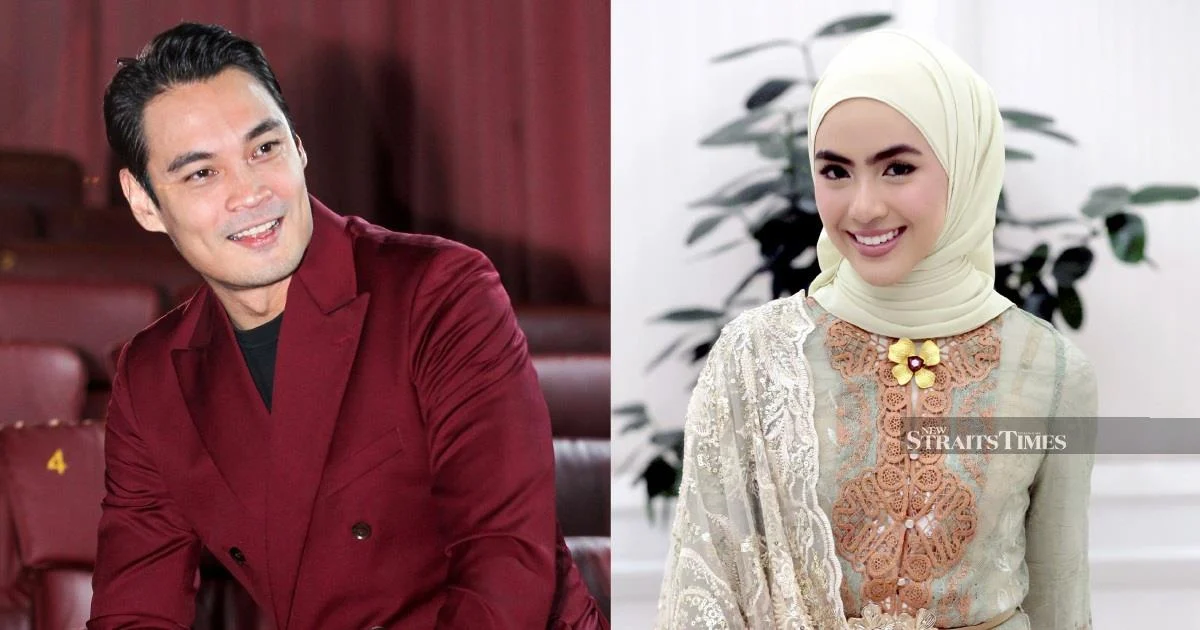
Malaysian entertainment figure Hisyam Hamid has publicly rejected claims linking him to a purported visit to the residence of fellow actress Erysha Emyra, following the rapid spread of allegations across the Threads social media platform. The actor conveyed his clear frustration with the unsubstantiated reports, emphasizing that such rumours have no factual basis whatsoever.
The allegations surfaced online through Threads, a text-based social networking application that has increasingly become a hub for celebrity gossip and entertainment industry chatter in Malaysia. The viral nature of these claims demonstrates how quickly unverified information can circulate within digital communities, sometimes overshadowing legitimate entertainment news and creating unnecessary controversy for public figures involved.
Hisyam Hamid's response highlights a growing concern among Malaysian entertainment professionals regarding the spread of false narratives through social media. The actor's decision to publicly address these rumours directly represents a common strategy among celebrities seeking to counter misinformation before it gains further traction. Such proactive denials often aim to prevent the stories from being reported as fact by entertainment publications or further amplified through user-generated shares.
The incident underscores the challenges faced by members of Malaysia's film and television industry when navigating the intersection of professional relationships and public perception. Workplace interactions between actors and actresses, particularly those who collaborate on film or television productions, frequently attract speculation from fans and observers who might misinterpret professional meetings or casual social encounters as something more significant.
Threads has emerged as a notable platform for entertainment discourse in Southeast Asia, attracting both celebrity enthusiasts and industry professionals who engage in real-time discussions about shows, films, and personalities. The platform's structure facilitates rapid information sharing, though it simultaneously creates environments where unverified claims can proliferate without editorial oversight or fact-checking mechanisms that traditional media outlets employ.
For actors in Malaysia's competitive entertainment landscape, managing one's public image extends beyond on-screen performances to include navigation of rumour mills and social media narratives. Hisyam Hamid's willingness to publicly deny these allegations reflects an understanding that silence can sometimes be interpreted as tacit acknowledgement, making direct refutation strategically important for reputation management.
The broader implications of this incident resonate with other Malaysian celebrities who have faced similar situations. The entertainment industry operates in close quarters, with actors frequently collaborating on multiple projects, attending industry events, and maintaining professional networks. This interconnectedness can inadvertently fuel speculation when photographs are shared, when stars are seen together publicly, or when their professional activities intersect.
Erysha Emyra, as the other party mentioned in these rumours, has similarly experienced the unwelcome attention that accompanies unfounded allegations on social media platforms. Actresses and female entertainers in Malaysia often encounter additional scrutiny regarding their personal lives and relationships, a pattern that reflects broader societal attitudes toward women in the public eye.
The viral spread of baseless rumours raises questions about digital literacy and critical consumption of information among online audiences. Many users encounter such claims through screenshots, secondhand shares, or decontextualized posts that lack any original source or evidence, yet continue sharing them without verification. This phenomenon creates a cycle where rumours gain perceived legitimacy simply through repetition and wider distribution.
Hisyam Hamid's firm stance in dismissing these allegations serves as a reminder to audiences about the importance of distinguishing between verified entertainment news and speculative gossip circulating on social platforms. As Malaysian audiences increasingly consume celebrity-related content through digital channels rather than traditional media, developing discernment about information sources becomes increasingly crucial.
The entertainment industry's relationship with social media remains complex and often contentious. While these platforms provide direct channels for celebrities to communicate with fans and control their own narratives, they simultaneously expose entertainers to coordinated rumour campaigns, unsubstantiated claims, and privacy invasions. Industry observers have noted that Malaysian entertainers must increasingly develop sophisticated strategies for managing their digital presence and responding to false information.
Moving forward, this incident may prompt broader conversations within Malaysia's entertainment community about collective approaches to combating misinformation. Some industry associations have discussed establishing guidelines for fact-checking and responsible social media engagement, though implementation remains challenging given the decentralized nature of these platforms and the speed at which information travels online.

