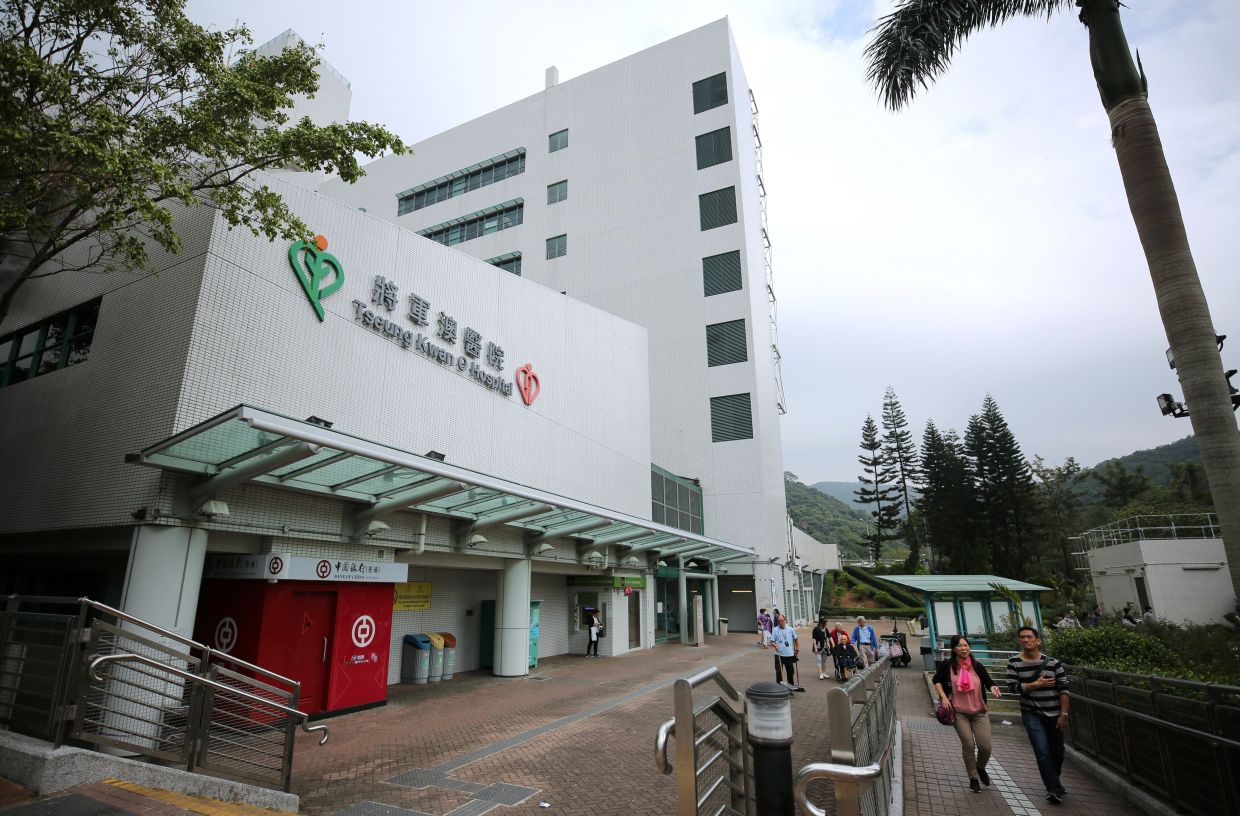
An independent investigation into a fatal surgical blunder at a Hong Kong public hospital has identified confirmation bias as the primary cause of a surgeon's critical misidentification during an operation, raising fresh questions about surgical oversight and clinical governance in the territory's healthcare system. Tseung Kwan O Hospital released its findings this week concerning a February 7 incident involving an 85-year-old woman who required emergency intestinal surgery and died three weeks after the procedure, prompting calls from former legislators for the removal of the surgeon involved.
The elderly patient had presented with obstructive sigmoid colon cancer requiring immediate surgical intervention to restore normal bowel function. Her medical team determined that a transverse colostomy—a procedure creating a surgical opening, or stoma, in the abdominal wall to bypass the blocked intestine—was the appropriate course of action. The operation proceeded with the intention of creating this opening in the transverse colon, a segment of the large intestine. Immediately after surgery, her vital signs appeared reassuring, yet medical staff noticed an unusually high volume of fluid drainage from the newly created stoma, a warning sign that should have prompted deeper investigation.
Over subsequent weeks, complications escalated. On March 1, more than three weeks after her operation, the patient experienced a dramatic drop in blood pressure accompanied by a dangerously elevated heart rate. She was transferred from Haven of Hope Hospital back to Tseung Kwan O Hospital for emergency reassessment. A computed tomography scan revealed the devastating reality: the surgical opening had been created in the patient's stomach rather than her colon. This fundamental misidentification meant the entire procedure had been performed on the wrong organ, explaining the abnormal drainage and her clinical deterioration.
The patient's condition declined rapidly once this error was discovered. After consultation with her family regarding her prognosis and wishes, a do-not-attempt-resuscitation order was implemented. She died on March 3. The hospital disclosed the incident publicly in March only after media inquiries began circulating about the case, subsequently launching a formal investigation and notifying the Coroner's Court of the tragedy.
The hospital's subsequent investigation report identified confirmation bias as the central failure. According to the analysis, the surgeon became mentally locked into a predetermined conclusion about which anatomical structure he was operating on, then unconsciously selected and interpreted sensory information to confirm that preexisting belief. The surgeon externalized the stomach rather than the transverse colon during the operation without implementing additional verification steps that might have challenged his initial identification. This cognitive error was compounded by multiple systemic breakdowns in the surgical team's processes and post-operative monitoring.
Beyond the surgeon's individual bias, the investigation documented a cascade of institutional failures. The medical personnel failed to adequately monitor and interpret the abnormal stomal output, a critical red flag that should have prompted immediate re-examination. Staff involved in post-operative care lacked sufficient experience to recognize the significance of the drainage pattern. Communication between the surgical team and rehabilitation specialists proved inadequate, delaying comprehensive reassessment and intervention. These failures collectively allowed a fundamental surgical error to go undetected for weeks while the patient's condition deteriorated.
The findings triggered sharp criticism from former lawmaker Michael Tien Puk-sun, who highlighted that the surgeon in question had a documented history of previous errors. Tien called for decisive action, advocating for demotion or termination of employment rather than the internal disciplinary procedures typically employed. He expressed frustration with what he characterized as the hospital's pattern of identifying problems after incidents occur, only to announce vague improvement plans without demonstrable results. Tien characterized the error as a fundamental mistake that undermines Hong Kong's reputation as a world-class medical destination, a significant concern given the territory's heavy reliance on its healthcare reputation to attract patients and investment from the broader region.
The investigation panel issued detailed recommendations designed to prevent similar incidents. These include comprehensive reviews of clinical governance structures within the surgery department, mandatory involvement of the surgical team in decision-making even after patients transfer to other facilities, and the requirement that stoma and wound care specialists conduct formal post-operative assessments with proper documentation and timely reporting protocols. The recommendations emphasize the importance of systematic checks, clear communication channels, and specialized expertise in monitoring surgical outcomes.
Tseung Kwan O Hospital has formally accepted all recommendations and claims to have already begun implementation. The hospital stated it had restructured its department of surgery under a new cluster-based governance model designed to enhance oversight and coordination. The hospital indicated it would follow established human resources procedures with the physicians involved and signaled a potential referral to Hong Kong's Medical Council, the regulatory body responsible for disciplining medical professionals who breach standards of conduct or competence. The Medical Council referral remains uncertain pending further internal assessment.
The case underscores persistent challenges in surgical safety that extend beyond this single incident. Confirmation bias represents a well-documented cognitive phenomenon that affects professionals across all disciplines, yet its consequences in surgery can be catastrophic. The investigation reveals that even in modern hospitals with advanced diagnostic equipment and trained specialists, fundamental errors can occur when individual cognitive biases combine with gaps in communication, inadequate monitoring, and insufficient expertise at critical decision points. For Malaysian healthcare administrators and surgeons, the Hong Kong case serves as an instructive reminder that robust systems—not merely individual competence—form the foundation of patient safety.