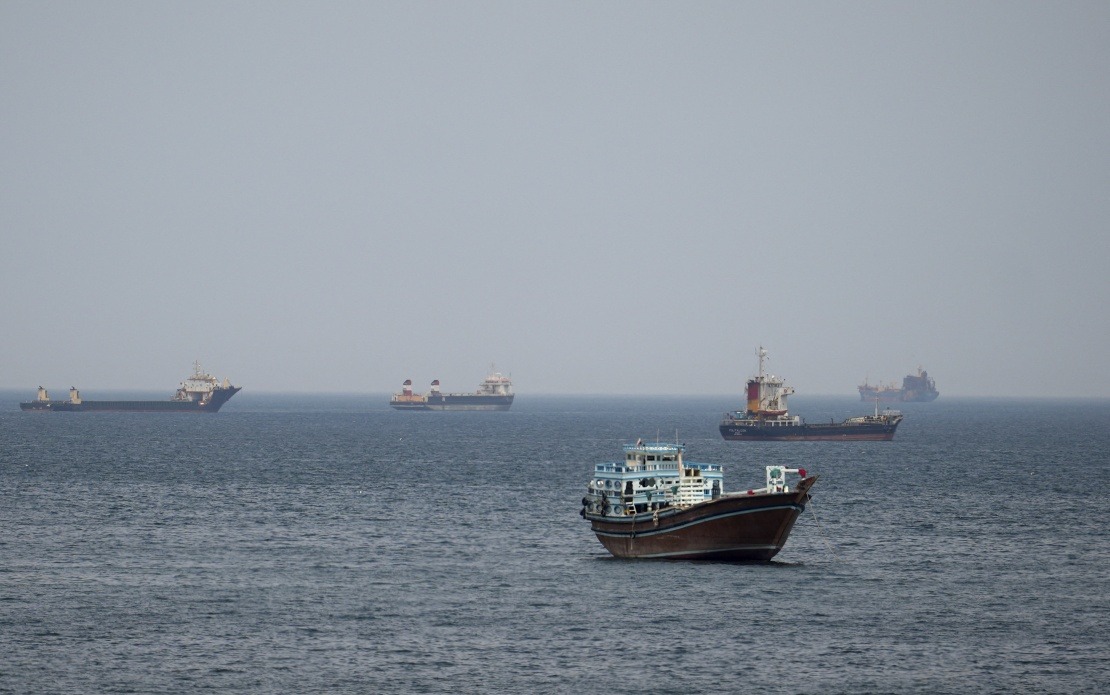
An interim accord between the United States and Iran commenced on Thursday, prompting a resumption of commercial shipping through the Strait of Hormuz and triggering the sharpest decline in crude oil prices since the conflict erupted in late February. The agreement marked a dramatic shift in the Trump administration's approach to the decade-long regional standoff, though fundamental disagreements between Washington and Tehran remain unresolved and could yet undermine the fragile arrangement.
The immediate economic impact rippled across global energy markets. With the Strait of Hormuz accounting for approximately one-fifth of worldwide oil supply, traders swiftly repriced crude downward in anticipation of normalised export flows over the coming months. The sharp reduction in oil prices carries particular significance for Southeast Asian economies heavily dependent on energy imports, potentially providing relief at the pump and in manufacturing costs, though the volatility itself introduces fresh uncertainty into regional business planning.
Despite the positive economic signals, the ceasefire remains precarious. Israel's continued military offensive against Hezbollah in Lebanon on Thursday morning exposed fundamental contradictions within the broader agreement. The interim deal explicitly mandates the "permanent termination" of the Lebanon conflict and guarantees for Lebanese territorial integrity, yet Israeli forces showed no signs of scaling back operations. More than one million Lebanese civilians have been displaced by the fighting, and Israeli officials have rejected suggestions of withdrawal, instead releasing maps depicting an expanded occupation footprint in Lebanese territory.
The discord between Washington and its longtime ally Jerusalem represents one of the most significant rifts in decades. Trump, who has staked considerable political capital on ending the unpopular war, has grown openly critical of Israeli operations. "If I was in the cabinet of the Israeli government, I might not be attacking the only powerful ally that I have anywhere left in the entire world," he remarked pointedly at the White House, signalling frustration with Netanyahu's apparent determination to pursue military objectives regardless of the broader ceasefire framework.
Theodore negotiations framework establishes a sixty-day window for substantive discussions on Iran's nuclear programme, Trump's officially stated justification for initiating hostilities nearly four months earlier. The agreement creates a reconstruction fund valued at US$300 billion and includes additional financial incentives designed to bring Tehran to the negotiating table. US Vice President JD Vance, designated to lead the American delegation, has signalled that constraining Iran's long-range missile capabilities will feature prominently in upcoming discussions.
Trump's initial maximalist demands have given way to pragmatic compromise, a reversal that critics on Capitol Hill view with considerable scepticism. When launching military operations, he demanded Iran's "unconditional surrender" alongside objectives including nuclear weapons dismantlement, neutralisation of regional strike capabilities, termination of militant group support, and facilitating regime change. The agreement he ultimately signed achieves none of these stated goals, prompting Republican allies to question whether the president sacrificed too much to extricate America from an unpopular conflict.
Iran's leadership has interpreted events through a markedly different lens. Supreme Leader Ayatollah Moitaba Khamenei characterised Trump's signature as capitulation born of "desperation," signalling that forthcoming nuclear negotiations will prove contentious. "If the American side wants to be too demanding, we will not accept it," he declared, establishing parameters for future discussions unlikely to yield American satisfaction. Tehran's apparent strengthening through surviving sustained American military pressure and maintaining de facto control of critical shipping lanes has emboldened Iranian negotiators.
Iran has explicitly reserved the right to supervise Strait of Hormuz traffic during the interim period, issuing permits and directing vessel movements despite pledging to waive transit fees temporarily. This assertion of authority over one of global commerce's most critical chokepoints underscores Tehran's enhanced bargaining position. Malaysia and other Southeast Asian nations dependent on steady hydrocarbon supplies through these waters face additional uncertainty, as any future deterioration could once again threaten energy security and shipping reliability.
The durability of the ceasefire remains fundamentally questionable given incompatible interpretations of its scope and binding nature. Trump has publicly declared expectations for "complete ceasefire on all fronts," emphasising American commitment to facilitating negotiations. Yet Israel's continued operations suggest either Washington's limited leverage over Jerusalem or fundamentally different understandings of the agreement's requirements. The Lebanese dimension represents perhaps the most volatile potential flashpoint, with Hezbollah's capabilities intact and Israeli forces positioned to resume major operations should negotiations stall.
For regional observers, including Malaysian policymakers and business leaders, the situation presents a complex calculus of opportunity and hazard. Lower oil prices offer near-term economic benefits, but sustained uncertainty regarding Iranian nuclear proliferation, Israeli-Hezbollah dynamics, and American commitment levels complicates long-term strategic planning. The precedent of the Trump administration prioritising ceasefire implementation over comprehensive resolution raises questions about the agreement's longevity should domestic American political considerations shift.
The sixty-day negotiating window will test whether the two countries can bridge fundamental strategic disagreements despite surface-level ceasefire arrangements. Iran's demonstrated ability to withstand military pressure, maintain regional influence networks, and control critical infrastructure provides considerable leverage in upcoming nuclear discussions. Simultaneously, Trump's political vulnerability domestically—having inherited an unpopular war he now seeks to terminate—constrains his negotiating flexibility. This structural asymmetry may produce either creative compromises or deadlock when the interim period concludes.

%22%2F%3E%3C%2Fpattern%3E%3C%2Fdefs%3E%3Crect%20width%3D%22100%25%22%20height%3D%22100%25%22%20fill%3D%22url(%23ph4l0mzg)%22%2F%3E%3Crect%20width%3D%22100%25%22%20height%3D%22100%25%22%20fill%3D%22url(%23ph4l0mzp)%22%2F%3E%3Ctext%20x%3D%2250%25%22%20y%3D%2250%25%22%20text-anchor%3D%22middle%22%20dominant-baseline%3D%22central%22%20fill%3D%22rgba(255%2C255%2C255%2C0.95)%22%20font-family%3D%22Georgia%2C%20'Times%20New%20Roman'%2C%20serif%22%20font-weight%3D%22700%22%20font-size%3D%22272%22%20letter-spacing%3D%22-0.02em%22%3EAnwar%3C%2Ftext%3E%3C%2Fsvg%3E)