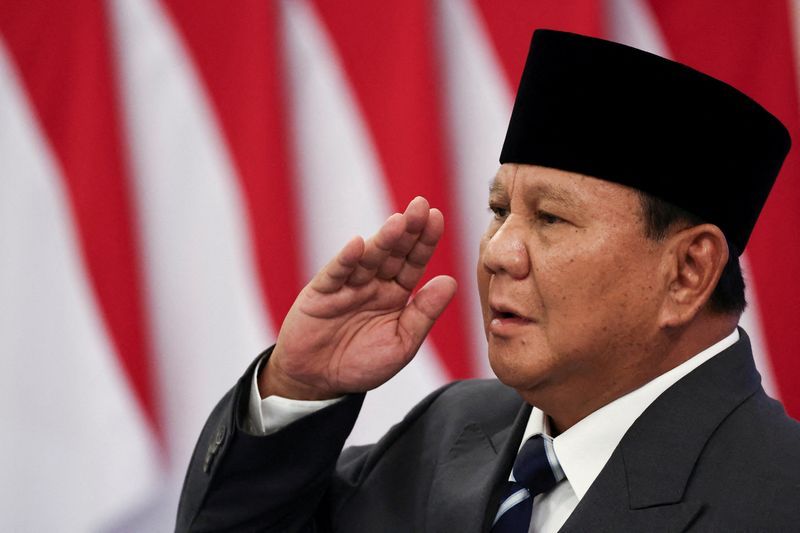
Indonesia is moving to weave artificial intelligence throughout its government operations, with a presidential regulation currently awaiting President Prabowo Subianto's signature that would mandate the adoption of AI technologies across priority programmes from 2026 to 2029. The initiative encompasses the country's ambitious $15 billion free-meal programme, which provides food assistance to vulnerable populations, and represents Jakarta's most comprehensive attempt yet to harness AI for economic and social gains. According to the draft regulation, the government believes this systematic integration of AI could increase Indonesia's gross domestic product by $366 billion, representing a 12% expansion of the economy by 2030.
The urgency driving this push stems from Indonesia's acknowledged lag in artificial intelligence development compared to neighbouring Singapore and Malaysia, both of which have already positioned themselves as regional hubs for AI and cloud services infrastructure. These countries have secured billions of dollars in investments from technology giants seeking to establish data centres and development facilities to serve the rapidly expanding Asian market for these services. Jakarta's strategy, therefore, reflects not merely a desire to modernise government services but a competitive imperative to capture foreign investment and technical talent before regional rivals consolidate their advantage.
Tech giants including Meta Platforms, IBM, and Microsoft have already influenced the regulation's direction, with contributions from Wahyudi Djafar, a technology analyst and member of Indonesia's AI government task force who helped draft the document. Microsoft's commitment to invest $1.7 billion in expanding cloud and AI infrastructure in Indonesia over the coming years signals confidence in the market's trajectory, though such commitments remain contingent on supportive government policy and regulatory frameworks. The involvement of these multinational corporations raises questions about the extent to which Indonesia's AI strategy will remain under domestic control versus becoming a vehicle for foreign technology companies to establish their own regional operations.
The free-meal programme, which has been beset by administrative problems and public health scandals, stands to benefit from AI-driven improvements if the regulation's ambitions are realised. The draft proposes using artificial intelligence to customise meal plans according to regional dietary preferences and nutritional requirements, automatically monitor kitchen sanitation conditions, forecast food consumption patterns to minimise waste, and flag anomalies that might indicate misappropriation of funds. Additionally, AI systems would integrate health data to enable early detection of foodborne illness outbreaks and other public health emergencies. These applications address genuine vulnerabilities exposed when tens of thousands of schoolchildren suffered food poisoning last year, prompting the arrest and dismissal of the programme's leadership and sparking criticism about transparency and expenditure accountability.
Beyond the meal initiative, the regulation outlines AI applications in health screening programmes and tuberculosis testing across Indonesia's public health system. These use cases leverage artificial intelligence's pattern-recognition capabilities to identify diseases at earlier stages and optimise resource allocation in an already-stretched healthcare system. However, sceptics question whether Indonesia possesses the foundational infrastructure and human expertise necessary to implement these ambitious applications effectively at scale.
Problems with Indonesia's readiness for AI adoption run deeper than political commitment. The country lacks critical hardware infrastructure, particularly in semiconductor manufacturing and supply chains, and faces a severe shortage of workers trained in artificial intelligence development and deployment. Derwin Suhartono, a professor of artificial intelligence at Bina Nusantara University in Jakarta, has characterised Indonesia not as an emerging developer of AI technologies but as likely to remain perpetually dependent on purchasing and consuming foreign-designed systems and solutions. He further observed that while the government's roadmap appears structured on paper, implementation has so far remained rhetorical rather than substantive.
The regulation's architects acknowledge these constraints through proposed solutions, including the creation of a "sovereign AI fund" managed primarily through Danantara Indonesia, the country's new wealth fund designed to direct capital toward strategically important sectors. The draft also suggests fiscal incentives to encourage AI researchers to remain in Indonesia and institutional support for building local talent pools. These mechanisms recognise that attracting and retaining skilled personnel represents perhaps Indonesia's most acute challenge in competing globally and regionally in artificial intelligence.
Risk management provisions accompany the adoption framework, with government bodies required to report artificial intelligence-related threats including misappropriation of biometric data, violations of intellectual property rights, and the generation of synthetic media or deepfakes. This recognition of potential harms reflects growing international awareness that deploying AI systems without robust safeguards can magnify existing governance vulnerabilities and create novel security risks, particularly in developing economies where regulatory capacity remains limited.
The timing of the regulation's rollout builds upon foundational work completed previously, with a white paper released in 2024 establishing conceptual groundwork for Indonesia's AI strategy. The presidential regulation represents a more detailed operational blueprint, though uncertainty remains about when Prabowo will formally sign the document and initiate implementation. The lack of immediate confirmation from his office suggests either ongoing deliberation or other competing priorities absorbing presidential attention.
For Malaysia and other Southeast Asian nations, Indonesia's embrace of AI adoption carries both competitive and collaborative implications. A stronger Indonesian presence in AI could enlarge the regional market for cloud and data services, attracting additional multinational investment and potentially creating specialisation opportunities for neighbouring countries. Conversely, successful implementation could position Indonesia as a significant competitor for technology sector talent and foreign direct investment currently flowing toward other regional centres. The outcome will depend substantially on whether Indonesia can bridge the gap between rhetorical commitment and effective execution, translating policy frameworks into working systems that deliver tangible improvements in government efficiency and economic productivity.