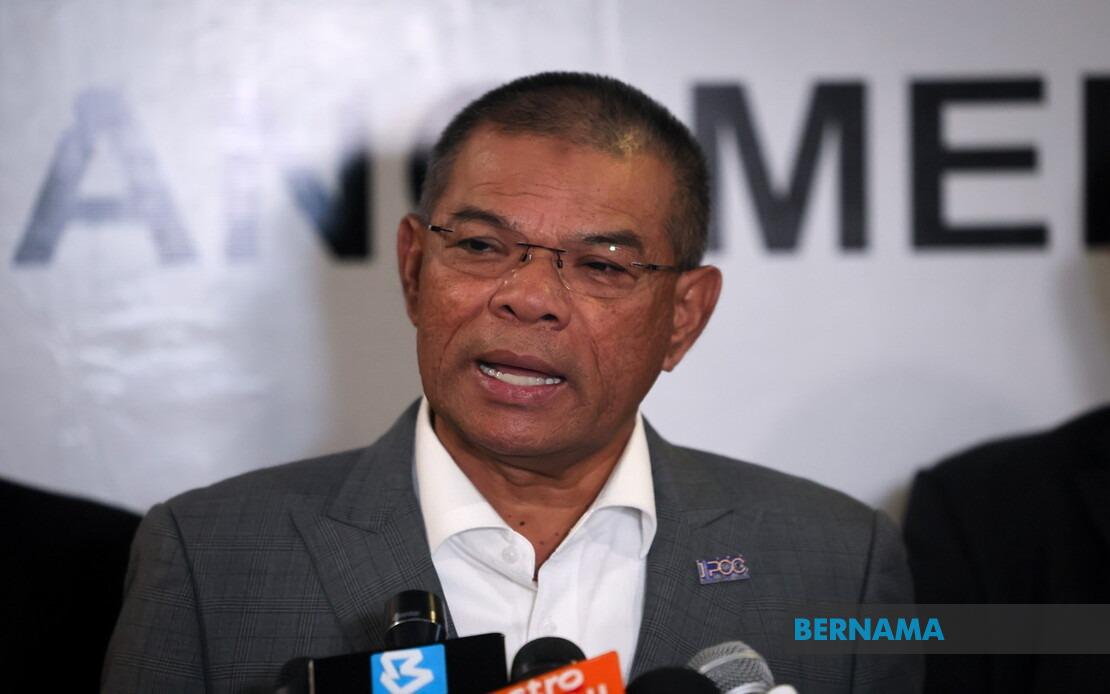
Malaysia's Independent Police Conduct Commission (IPCC) has established itself as a functional channel for public grievances, receiving 1,635 complaints during its first three-and-a-half years of operation through July 2026. Home Minister Datuk Seri Saifuddin Nasution Ismail disclosed the figures at a press conference in Putrajaya on July 27, portraying the complaint intake as evidence that Malaysians increasingly trust the independent oversight mechanism despite its relative youth as an institution.
The resolution rate of 76 percent—translating to 844 completed cases out of the total logged—suggests the IPCC is moving through its caseload at a reasonable pace, though structural challenges remain. This year alone, from January through late July, the commission fielded 372 fresh complaints, indicating a sustained and perhaps increasing awareness of its existence. The trajectory suggests that as word spreads about the body's role, more citizens may come forward with allegations of police misconduct, potentially placing greater demands on the IPCC's investigative resources and timelines.
The Home Minister identified a recurring theme among unresolved cases: complainants reporting that they received no feedback whatsoever after submitting grievances against police officers. This finding points to a frustrating gap in the complaint-handling ecosystem, where citizens either lodge reports directly with police or turn to the IPCC, only to encounter silence. The persistence of this complaint type suggests systemic communication failures that may warrant procedural reforms, possibly including mandatory acknowledgement timelines and periodic status updates for complainants regardless of complaint complexity.
Saifuddin Nasution explained that the IPCC's functional model requires distinguishing between different categories of complaint. When allegations contain indicators of corruption, the commission automatically routes the matter to the Malaysian Anti-Corruption Commission (MACC), creating a coordinated but compartmentalised response. This referral mechanism reflects an institutional architecture designed to prevent overlap while channelling specialized allegations toward agencies with particular expertise. However, such divisions may also obscure the full picture of misconduct from public view, as complainants may not always understand why their case transferred or what stage a referred complaint occupies within MACC's parallel processes.
Among complaints that remain unresolved, several stem from dissatisfaction with the police investigation's outcome itself—essentially, situations where officers conducted internal probes but complainants rejected the findings or disciplinary response. This category reveals tension between the IPCC's oversight function and the police force's investigative authority. Where the public and the force diverge on findings or consequences, the IPCC's ability to challenge or overturn police decisions becomes crucial to its credibility. The presence of such lingering disputes indicates that the commission still faces questions about its enforcement power and whether its recommendations carry sufficient weight.
The IPCC has opened 22 investigation papers since 2023, with 11 concluded and 11 ongoing. Five fresh investigations launched this year reflect continued work, though the modest cumulative number underscores that most complaints do not escalate to formal investigation status. Understanding the filtering process—how the IPCC determines which complaints warrant investigation versus referral, dismissal, or mediation—remains important for assessing whether the body is applying consistent and defensible standards.
The Home Minister characterised the complaint volume as modest in absolute terms, yet he interpreted this restraint as reflecting genuine confidence in the IPCC rather than indifference or fear. This rhetorical framing merits scrutiny; complaints remain significantly underreported in Malaysian society across numerous sectors, and a modest figure could equally indicate that awareness remains patchy or that barriers to filing—whether psychological, informational, or bureaucratic—still deter many potential complainants. Regional comparisons with other independent police oversight bodies would help contextualise whether 1,635 complaints in three years represents robust public engagement or untapped demand.
The government reinforced its commitment to police accountability through a symbolic gesture: the rollout of IPCC awareness posters to Royal Malaysia Police (PDRM) information corners nationwide. This campaign targets the public at police stations themselves, a counterintuitive but strategically important location where citizens already gathering for various purposes might encounter information about filing misconduct complaints. The poster initiative signals institutional investment in demystifying the complaint process, though effectiveness depends on poster visibility, design clarity, and whether police rank-and-file actively facilitate public access to information about oversight mechanisms.
Context surrounding police accountability took sharper focus when the Home Minister cited the recent arrest of 12 police personnel suspected of extorting RM2 million from a Vanuatu national. This high-profile case, which came to light when Dang Wangi police chief ACP Sazalee Adam confirmed the operation, illustrates precisely the misconduct the IPCC exists to address. The swift action against officers across ranks—allegedly working in concert to extract money from a foreign national—demonstrates willingness by senior police leadership to pursue internal offenders without hesitation. However, such dramatic cases may distract from the IPCC's primary challenge: addressing systemic failures like absent feedback, unsubstantiated investigations, and disciplinary inconsistencies that frustrate ordinary citizens and erode institutional legitimacy.
For Malaysian readers and Southeast Asian observers, the IPCC's early performance raises important questions about institutional independence and effectiveness. The body operates within a framework where corruption allegations route elsewhere and investigation capacity remains finite. Building public trust requires not only resolving three-quarters of complaints but also ensuring complainants understand outcomes and retain confidence that their input influenced police behaviour. As the IPCC matures, pressures will intensify to demonstrate that it safeguards police integrity proactively rather than reactively, and that independent oversight genuinely constrains misconduct rather than merely processing grievances.
The establishment of complaint mechanisms without corresponding transparency about investigation criteria, decision-making, and remedial actions risks creating procedural legitimacy that masks substantive gaps. Moving forward, the IPCC's value to Malaysian society will hinge on whether it evolves from an avenue for filing complaints into an engine for systemic police reform, communicating clearly with complainants, and visibly influencing police conduct standards across the force.

