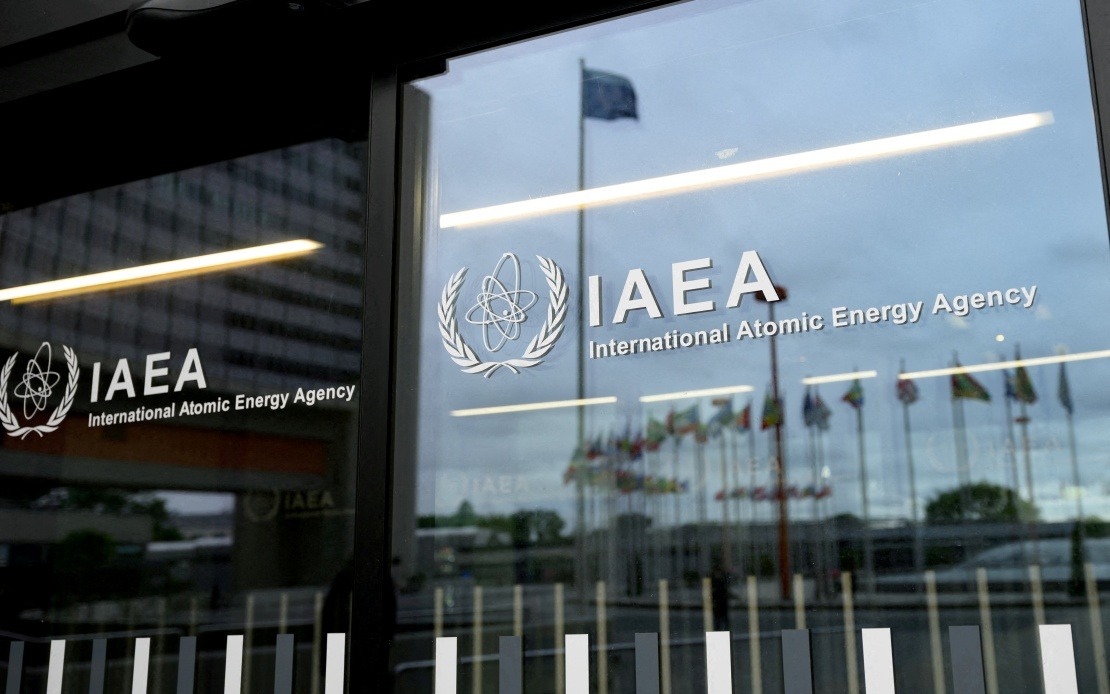
Iran has firmly rejected allowing International Atomic Energy Agency inspections of its nuclear facilities ahead of a final agreement with the United States, hardening its negotiating stance as talks between the two nations enter a critical phase. Deputy Foreign Minister Kazem Gharibabadi announced the decision via social media, declaring that any access to Iran's nuclear sites and materials would only be granted once a comprehensive settlement on sanctions removal and nuclear commitments has been reached and the United States demonstrates concrete action to lift economic restrictions.
The Iranian position represents a significant complication to diplomatic efforts aimed at resolving a nuclear dispute that has intensified dramatically over the past year. Gharibabadi's statement directly contradicted suggestions from International Atomic Energy Agency Director General Rafael Grossi, who indicated earlier in the day that inspections would proceed under the framework of a peace memorandum signed between Iran and the United States on June 18. That agreement stipulated a 60-day negotiating window to hammer out a final nuclear deal, with the first round of substantive talks having already taken place in Switzerland over the weekend.
The Iranian diplomat also dismissed claims that his country's negotiating team had met with Grossi in recent days, characterising such reports as inaccurate despite the IAEA chief's apparent requests for engagement. This denial underscores the escalating tensions within the negotiation process and suggests Iran views the agency's involvement with suspicion, preferring to conduct nuclear discussions exclusively through bilateral channels with Washington. For Malaysia and other Southeast Asian nations with economic interests in Iran, this hardening of positions threatens to prolong a dispute that has already triggered military escalation and regional destabilisation.
The backdrop to these negotiations is extraordinarily severe. Iran's three principal nuclear complexes—Fordow, Natanz, and Isfahan—have repeatedly become targets of military strikes. During a 12-day conflict in June 2025, United States forces bombed these installations as part of broader operations. More recently, in military operations beginning on February 28 this year, both American and Israeli forces conducted extensive strikes against Iranian nuclear and military infrastructure, causing significant damage and raising international concerns about nuclear safety and proliferation risks.
The June 18 memorandum of understanding was intended to de-escalate this cycle of tit-for-tat military exchanges by creating a structured diplomatic pathway. By establishing a defined 60-day negotiating period, both sides signalled willingness to resolve outstanding disputes through dialogue rather than military confrontation. The agreement represented a diplomatic breakthrough after months of heightened tensions that had pushed the region toward a wider conflict with implications extending far beyond the Middle East.
However, Iran's refusal to grant IAEA access prior to a final settlement reveals fundamental mistrust underlying the ostensible cooperation. Tehran's linkage of nuclear transparency to American sanctions relief demonstrates its view that inspections represent a concession that must be bartered for concrete economic benefits. This negotiating posture reflects Iran's assessment that the agency operates under Western influence and that premature access could provide intelligence to hostile powers without guaranteeing corresponding benefits for Iran itself.
For observers in Malaysia and the broader region, Iran's stance carries significant implications. Southeast Asian economies depend heavily on stable global energy markets and predictable international relations. Prolonged nuclear tensions and the threat of renewed military escalation destabilise oil prices and create uncertainty that ripples through regional commerce and investment. Additionally, as a nation committed to multilateralism and international law, Malaysia has institutional interest in the effectiveness of the International Atomic Energy Agency and the Nuclear Non-Proliferation Treaty framework.
The 60-day timeline established by the memorandum creates mounting pressure on negotiators to demonstrate progress. If substantive breakthroughs do not emerge soon, the talks risk collapsing entirely, potentially triggering renewed military hostilities. Iran's early insistence on conditioning IAEA access suggests Tehran may be adopting a maximalist negotiating position, believing it can extract maximum concessions from Washington by maintaining inflexible demands on verification issues.
The American perspective on these conditions remains unclear from Iran's statements, though historical patterns suggest Washington has sought robust verification mechanisms as a prerequisite for any sanctions relief. This fundamental disagreement on the sequencing and substance of inspections could prove to be a primary sticking point throughout the remaining weeks of negotiation. The differing positions on verification reflect deeper mutual suspicion about implementation and enforcement of any eventual agreement.
Rafael Grossi's apparent frustration with Iran's refusal to meet suggests the IAEA views rapid access as essential for establishing a credible baseline assessment of current nuclear activities and damage from recent military strikes. The agency's mandate to verify peaceful uses of nuclear technology makes inspections central to its institutional role, yet Iran's position marginalises this function until political questions have been settled first.
As these negotiations unfold, the international community watches anxiously. Failure would almost certainly accelerate regional military competition and nuclear weapons development programmes. Success would require both parties to move significantly from their current public positions. Iran's initial stance suggests a negotiation likely to be lengthy, contentious, and dependent on Washington demonstrating tangible goodwill gestures alongside diplomatic engagement. For Malaysian policymakers and businesses, the next weeks will be decisive for understanding whether this diplomatic window represents genuine opportunity for regional stability or merely a temporary pause before escalation resumes.

