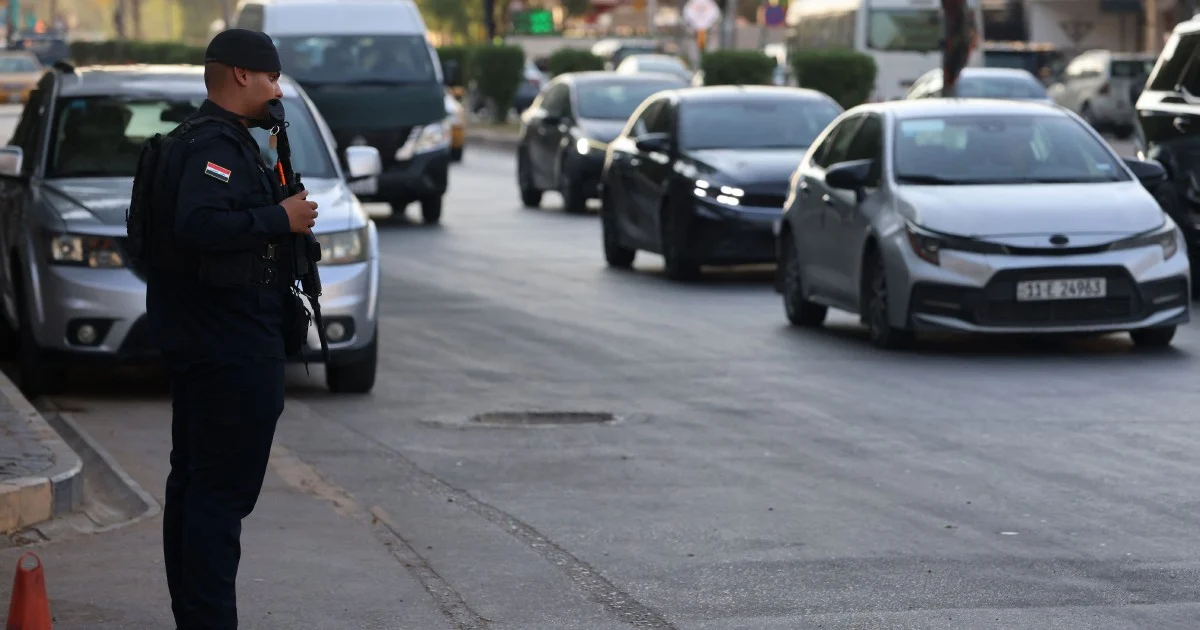
Iraq has intensified its fight against rampant corruption with the arrest of 47 government officials in a single coordinated operation, marking a significant escalation in the country's effort to root out institutional malfeasance. Among those detained are members of parliament, signalling that even the highest legislative echelons are now targets for accountability measures. The sweeping arrests, announced through state media channels on Sunday, reflect Baghdad's determination to address systemic corruption that has long undermined public confidence in government institutions and diverted resources from economic development and service delivery.
The decision to cast such a wide net in a single operation represents a notable shift in enforcement strategy. Rather than pursuing isolated cases through protracted investigations, Iraqi authorities appear to be adopting a more aggressive posture that aims to demonstrate political will and create a visible deterrent effect. The inclusion of parliamentary deputies in the detentions is particularly consequential, as it signals that legislative immunity or political connections alone may no longer shield officials from prosecution. This approach carries symbolic weight in a nation where corruption has traditionally been treated as an accepted feature of governance rather than a prosecutable crime.
Corruption has been a defining challenge for Iraq since the post-2003 reconstruction period. Decades of state dysfunction, combined with the emergence of powerful militia networks and patronage systems established during the conflict against militant groups, created fertile ground for endemic graft across security forces, government ministries, and local administrations. International transparency indices consistently rank Iraq among the world's most corrupt nations, a reality that has poisoned public services, weakened military effectiveness, and contributed to popular grievances that extremist groups exploit for recruitment.
The anti-corruption campaign reflects pressure from multiple directions. Youth-led protest movements that erupted in 2019 specifically targeted government corruption and demanded systemic reform. These demonstrations exposed the depth of public frustration with officials who enriched themselves while ordinary Iraqis lacked clean water, reliable electricity, and employment opportunities. Additionally, international pressure and conditional aid from partners such as the United States and European nations have made anti-corruption commitments a prerequisite for financial support and diplomatic recognition.
For Southeast Asian observers, Iraq's approach offers instructive parallels and contrasts. Malaysia has pursued high-profile corruption prosecutions against former leaders and their associates, establishing institutional mechanisms like the Malaysian Anti-Corruption Commission. However, Iraq's struggle differs in scale and context—the country operates within a fractured political system where sectarian divisions and militia influence complicate enforcement impartiality. Where Malaysia has developed relatively autonomous anti-corruption infrastructure, Iraqi authorities must navigate a governance environment where factional interests routinely override institutional objectives.
The effectiveness of Sunday's mass arrests will ultimately depend on whether detentions translate into successful prosecutions and meaningful convictions. Previous anti-corruption campaigns in Iraq have occasionally been criticized for selective targeting along sectarian or factional lines, raising concerns that enforcement mechanisms serve political rivalries rather than genuine accountability. Transparency in case documentation, judicial independence in trials, and proportionate sentencing will determine whether this operation advances institutional reform or becomes another chapter in Iraq's history of performative anti-graft gestures.
The detention of parliamentary members carries particular implications for legislative oversight. If proceedings are conducted transparently and due process is respected, the action could strengthen institutional accountability mechanisms. Conversely, if arrests appear arbitrary or politically motivated, they may further delegitimize parliament and deepen institutional dysfunction. Iraq's judiciary, itself frequently cited as vulnerable to external influence, faces scrutiny in how it processes these cases and whether verdicts reflect evidence-based assessment or political calculation.
Regional stability considerations also intersect with this enforcement action. Weakened governance and endemic corruption have historically created vulnerabilities that militant organizations exploit. The Islamic State's resurgence in parts of Iraq partly reflected public alienation from corrupted state institutions. Demonstrating that officials face genuine consequences for misconduct could marginally improve state legitimacy and citizen confidence in governance, indirectly contributing to security stabilization.
However, sustaining anti-corruption momentum presents genuine challenges. Iraqi security forces and bureaucratic systems remain stretched by competing demands—managing militant threats, addressing humanitarian needs, and rebuilding infrastructure all vie for institutional capacity. Anti-corruption enforcement requires specialized investigative units, credible prosecutors, and independent judges—resources Iraq's overburdened institutions struggle to provide consistently. Without ongoing investment in institutional infrastructure and personnel training, individual campaigns risk fading as political attention shifts to pressing crises.
The international dimension of Iraq's corruption problem cannot be overlooked. External actors, including neighbouring countries and foreign companies, have traditionally participated in schemes that diverted Iraqi state resources. Effective anti-corruption work requires not only domestic enforcement but also international cooperation in asset recovery, money laundering investigations, and sanctions against individuals who facilitate graft. Iraq's partnerships with external anti-corruption bodies will substantially influence whether this campaign achieves tangible results.
For Iraq's government, successfully implementing this anti-corruption drive could bolster its domestic legitimacy and international standing. Conversely, failure would reinforce public cynicism about official resolve. The months ahead will reveal whether Sunday's arrests represent a genuine turning point in Iraqi governance or a temporary intervention in an ongoing cycle of institutional dysfunction. The detention of such prominent officials places considerable pressure on the judicial system to deliver credible proceedings and meaningful accountability.

