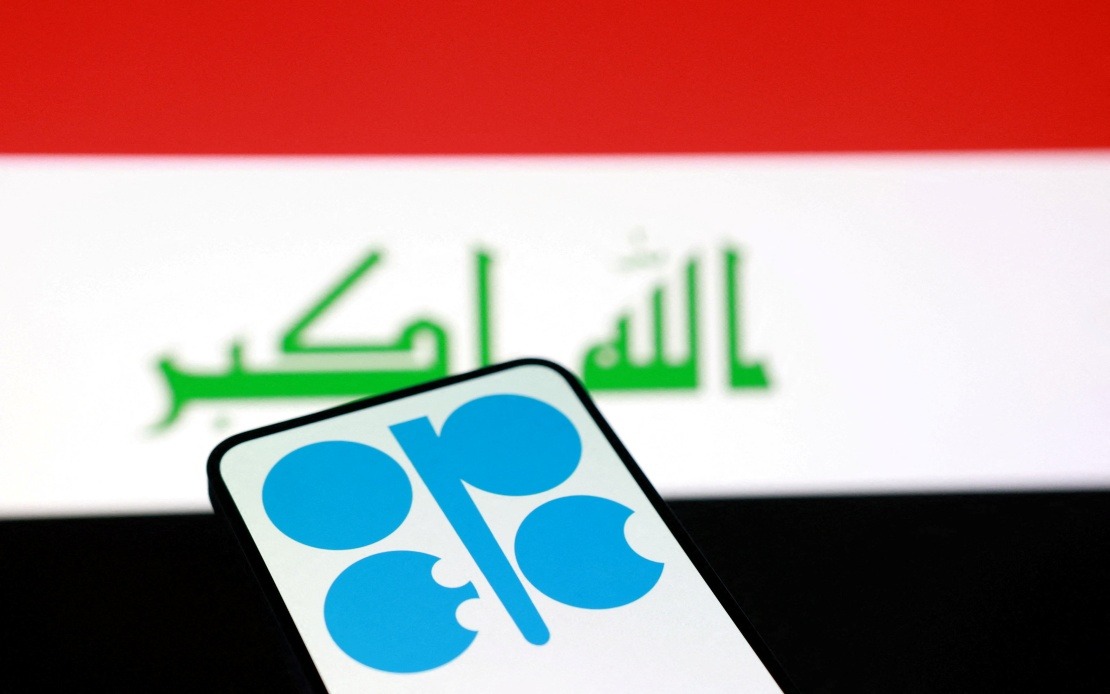
Iraq's Oil Ministry moved swiftly to quash speculation about a possible departure from OPEC, issuing a categorical denial after international media outlets reported that Baghdad might reconsider its membership if production allocations were not increased. The clarification, released following Bloomberg's reporting that cited unnamed ministry sources, underscores the delicate balancing act Iraqi policymakers must perform between maintaining solidarity within the cartel and securing the economic resources the nation desperately needs for reconstruction and development.
The ministry's statement emphasized that neither Prime Minister Mohammad Shia' al-Sudani nor the broader Iraqi government had initiated any discussion about withdrawing from the Organisation of the Petroleum Exporting Countries. This explicit disavowal suggests concern that loose rhetoric from mid-level officials could have damaged Baghdad's negotiating position within OPEC, where consensus-building remains paramount despite the organization's well-documented internal tensions. The timing of the denial also reflects Iraq's desire to prevent its legitimate grievances from being mischaracterized as a threat or ultimatum.
Instead of contemplating departure, Iraq has consistently articulated a more measured approach: the need to recalibrate production ceilings that take into account member states' actual sustainable production capacities rather than historical allocations. This distinction proves crucial for Iraqi negotiators, as it reframes the discussion from an aggressive demand into a technical correction grounded in capacity assessments. The ministry argued that such reassessments should simultaneously acknowledge Iraq's particular vulnerabilities, including the cumulative devastation wrought by more than four decades of warfare, international sanctions, and infrastructure destruction, including targeted attacks on petroleum facilities by militant groups.
Oil Ministry spokesman Salim Al-Rikabi, whose earlier comments had sparked the Bloomberg report, reiterated that Iraq harbors no intention of abandoning OPEC and remains engaged with the organization's operational frameworks. What Baghdad does insist upon, however, is that its production roadmap should reflect genuine capacity expansion and align with national development priorities. This positioning allows Iraq to maintain the diplomatic language expected within OPEC while still conveying urgency about its production ambitions, a strategy that recognizes both the constraints of cartel membership and the imperatives of a nation rebuilding from conflict.
The reassurance came as OPEC and allied producers are undertaking a significant technical exercise: an independent review of each member's maximum sustainable production capacity, conducted in coordination with an unnamed international consulting firm. Iraq is actively participating in this process, which could substantially influence production targets through 2027 and beyond. For Baghdad, this review represents a potential pathway to legitimizing higher quotas through objective technical analysis rather than contentious political negotiation, potentially providing cover for other OPEC members to support Iraq's claims.
Under current arrangements, OPEC and its affiliated producers have begun incrementally restoring production volumes that were previously reduced through voluntary cuts. Full normalization of these reductions is anticipated within coming months, a development that carries particular significance for Iraq's aspirations. As the broader cartel boosts output, the framework for determining Iraq's allocation becomes more flexible, potentially allowing Baghdad to capture a larger share of the expanded total without appearing to undermine the group's production discipline.
The ministry characterized these technical and capacity-based discussions as the appropriate venue for addressing production ceiling concerns, rather than through confrontational channels or public ultimatums. This emphasis on consensus mechanisms reflects Iraq's understanding that effective influence within OPEC depends on maintaining constructive relationships with fellow members, particularly Saudi Arabia and the United Arab Emirates, whose support remains essential for any significant upward revision of Iraqi quotas.
Member states have reportedly demonstrated considerable empathy for Iraq's circumstances, acknowledging what Baghdad terms its "special situation." This recognition implicitly accepts that Iraq's production ceiling, which has constrained its output relative to its resources and needs, may not adequately reflect either the nation's capabilities or the legitimate requirements of post-conflict reconstruction. The ministry's emphasis on this point signals that Iraqi negotiators believe they have cultivated sufficient goodwill to press their case through upcoming technical reviews and OPEC+ discussions.
For Malaysia and other Southeast Asian economies, Iraq's situation carries several implications. As OPEC members navigate competing pressures between production discipline and member satisfaction, decisions favoring Iraq could set precedents that other members might invoke. Additionally, any expansion of Iraqi oil output would increase global supply, potentially moderating crude prices, a development that would benefit importing nations including Malaysia. The outcome of Iraq's quota reassessment will therefore reverberate across regional energy markets and OPEC's internal balance of power throughout the remainder of this decade.

