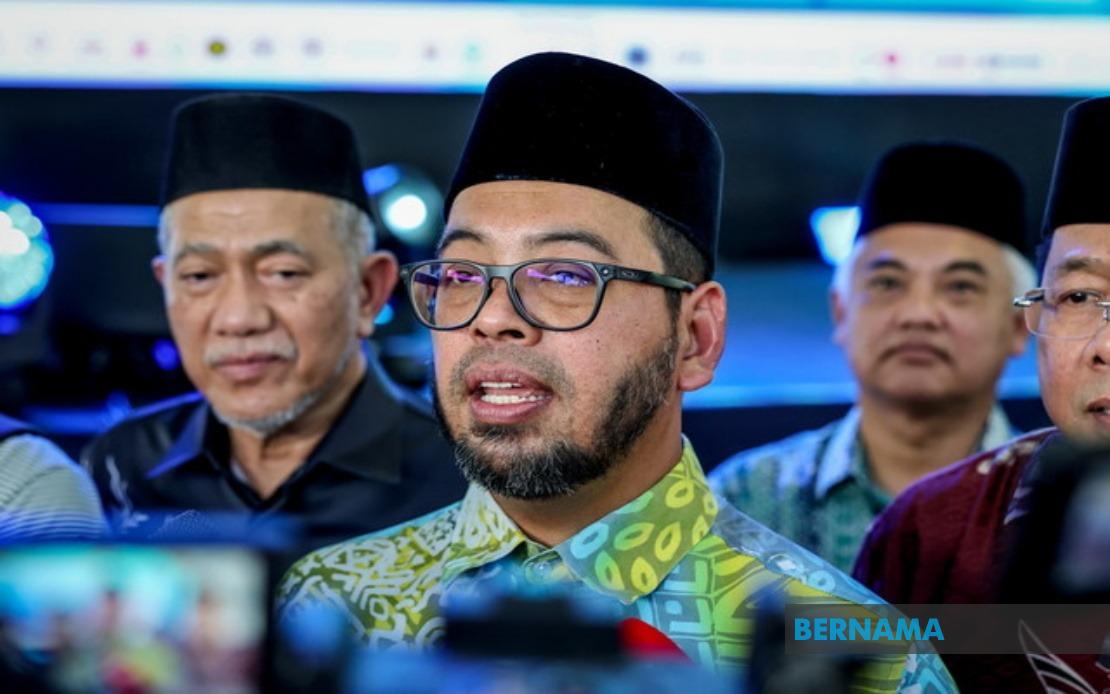
The Department of Islamic Development Malaysia (JAKIM) is moving to create uniform funeral management guidelines that will serve as a reference framework across the country, Minister in the Prime Minister's Department (Religious Affairs) Dr Zulkifli Hasan announced this week. The initiative comes in response to a burial controversy that recently gained significant public attention, highlighting inconsistencies in how different jurisdictions handle Islamic funeral procedures and protocols.
Dr Zulkifli explained that the standardisation effort reflects JAKIM's recognition that while several Malaysian states have already developed their own funeral guidelines, there remains a need to consolidate and enhance these frameworks into a more comprehensive and coordinated system. Rather than imposing a single rigid framework, the new guidelines will be designed to accommodate the diverse state enactments and existing laws across Malaysia's 13 states and three federal territories, ensuring legal compliance while establishing consistency in best practices.
The minister indicated that the development process is nearing completion, with the expectation that finalised guidelines will be ready for implementation across the country in the near term. He noted that since foundational guidelines already exist in various forms, the work primarily involves refining and harmonising these existing standards rather than creating entirely new protocols from scratch. This phased approach aims to minimise disruption while improving the overall quality and uniformity of funeral management practices nationwide.
The impetus for this standardisation effort stems from a recent incident in Selangor involving allegations of burial delays at Ukay Perdana Muslim Cemetery in Hulu Kelang. The controversy, which sparked considerable online discussion and public concern, centred on complaints regarding delayed interment procedures and coordination between family members, mosque management, and religious authorities. Dr Zulkifli acknowledged the incident but indicated that responsibility for resolving the specific matter rests with state-level religious authorities, particularly the Selangor Islamic Religious Department (JAIS) and the Selangor Islamic Religious Council (MAIS).
MAIS chairman Datuk Salehuddin Saidin convened a meeting bringing together the deceased's family members, officials from Masjid Nurul Hidayah in Kampung Pandan Dalam, representatives of Badan Kebajikan Salatulrahim (BKS), and JAIS personnel. The gathering aimed to identify immediate solutions to the allegations while establishing preventive measures to forestall comparable situations arising in future. This collaborative approach reflects the religious authorities' commitment to addressing not only the immediate grievances but also the systemic factors that may have contributed to the delay.
Dr Zulkifli appealed to all stakeholders to maintain calm and approach the matter constructively, emphasising the importance of working together across institutional lines without allowing the issue to generate unnecessary division within Muslim communities. His statement underscores the sensitivity surrounding funeral procedures in Islam, where timely and dignified burial is considered a critical religious obligation, and any perceived failures to uphold these standards can generate significant community concern and distrust.
The standardisation initiative has broader implications for Malaysia's Islamic administration framework. Currently, each state's Islamic religious department operates with considerable autonomy in managing funeral affairs, creating variations in procedures, timelines, and coordination mechanisms. These differences, while reflecting local preferences and legal frameworks, can create confusion for families navigating the system, particularly those unfamiliar with their state's specific requirements or those relocating between states.
For Malaysian families dealing with funeral arrangements, standardised guidelines promise clearer expectations regarding procedural timelines, required documentation, cemetery operations, and the respective roles of family members, religious authorities, and service providers. This transparency could reduce misunderstandings and disputes at moments when grieving families are most vulnerable and least equipped to navigate complex bureaucratic processes.
The initiative also reflects broader efforts within Malaysia's Islamic institutions to modernise administrative practices while maintaining religious compliance. As urbanisation and demographic changes reshape funeral practices in the country, centralised coordination becomes increasingly valuable for ensuring equitable service delivery across urban and rural areas, as well as maintaining consistent standards across Malaysia's diverse religious administrative landscape.
For Southeast Asian context, Malaysia's approach to standardising Islamic funeral procedures may offer lessons for neighbouring nations with significant Muslim populations. Regional variations in Islamic practice are substantial, and formalising procedures while respecting jurisdictional differences represents one model for achieving consistency without eliminating local autonomy—a balance that other countries continue to grapple with.
The timeline for completion remains fluid, though Dr Zulkifli's assurance that the process should not require extensive additional time suggests implementation could occur within several months. State religious authorities will need time to adopt and operationalise the new guidelines, training staff and updating their administrative systems accordingly. However, given that foundational frameworks already exist, the transition period should prove relatively manageable for most jurisdictions.

