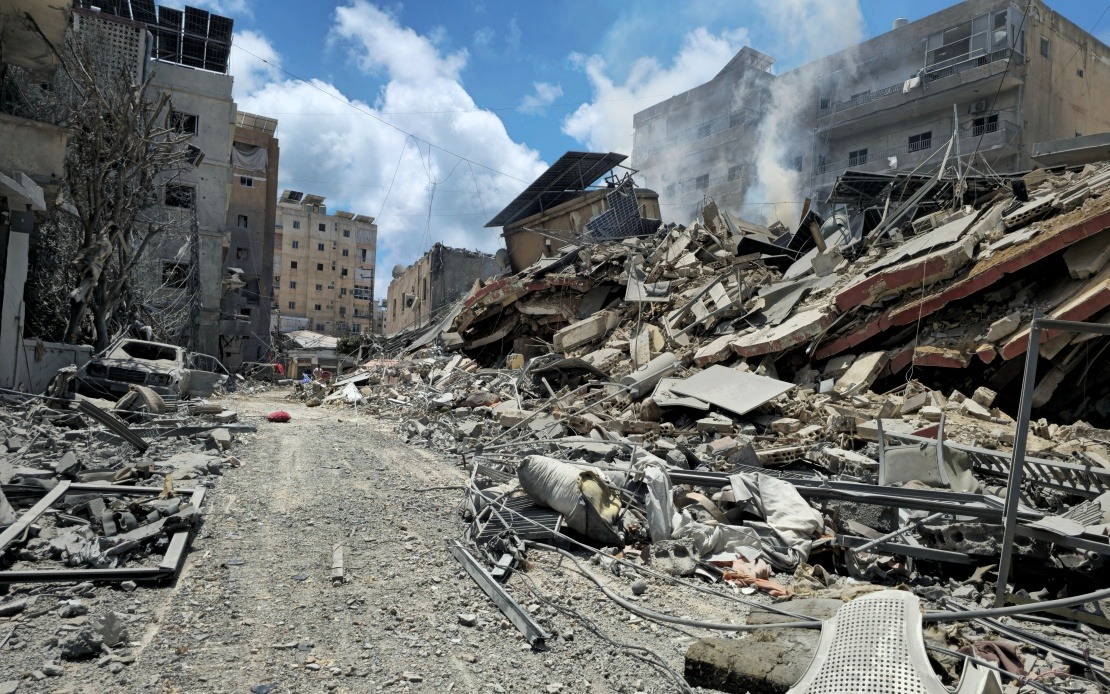
Japan has announced a US$15 million emergency grant aid package aimed at alleviating pressing humanitarian needs across West Asia, according to Foreign Minister Toshimitsu Motegi. The allocation, revealed during a Tokyo news conference, reflects Japan's strategic commitment to regional stability and its recognition of the severe humanitarian challenges confronting countries caught in cycles of conflict and economic hardship. The distribution prioritises Iran with approximately US$10 million, while Lebanon receives US$4 million and the Palestinian population in the West Bank receives US$1 million.
The humanitarian assistance will be channelled through established international organisations, ensuring effective delivery and coordination with existing relief mechanisms. The aid encompasses essential supplies including food items, medical equipment, and pharmaceuticals to address immediate survival needs among affected populations. By routing support through established multilateral channels, Tokyo aims to maximise the reach and transparency of its contributions while avoiding duplication with other donor efforts in the region.
Motegi emphasised during his remarks that regional peace and stability hold profound importance for Japan's strategic interests and economic well-being. The Middle East remains crucial to Japanese energy security, trade routes, and broader geopolitical considerations. This statement underscores a reality often overlooked in Western discourse: Japan's dependence on Middle Eastern stability extends far beyond abstract humanitarian concerns to include tangible national security and economic imperatives that directly affect its citizens and businesses.
The scale and timing of Japan's intervention signal its determination to maintain diplomatic influence in West Asia while international attention increasingly fragments across competing global crises. The Iranian situation, in particular, represents a complex humanitarian emergency layered beneath international sanctions and political isolation. Japanese officials recognise that humanitarian assistance, while modest in absolute terms, can serve as a diplomatic tool that maintains channels of communication and demonstrates goodwill independent of broader geopolitical fault lines.
Lebanon's inclusion reflects the country's ongoing economic collapse and institutional dysfunction, which have created what the United Nations has described as one of the world's most severe humanitarian emergencies outside active war zones. The Lebanese pound has lost over 95 percent of its value since 2019, basic services have deteriorated catastrophically, and poverty rates have soared. Japanese aid, though limited in quantum, acknowledges the urgency of supporting Lebanon's civilian population as state institutions continue fragmenting under fiscal pressure and sectarian tensions.
The Palestinian issue remains a perennial concern for Japan, which historically has sought to balance its close alliance with the United States and Israel against its humanitarian commitments and broader Southeast Asian diplomatic sensibilities. Allocating funds directly to West Bank Palestinians demonstrates that Tokyo will not abandon support for civilian populations even amid intractable political disputes. This balanced approach aligns with Japan's broader foreign policy philosophy of engaging diverse stakeholders across regional disputes.
Motegi's commitment that Japan will continue coordinating with relevant nations and international organisations signals intent to sustain engagement beyond this initial announcement. Such language typically presages ongoing consultation with the United Nations, regional bodies, and bilateral partners to identify emerging humanitarian needs and coordinate complementary assistance. Japanese diplomats are likely already engaged in conversations with Middle Eastern counterparts about longer-term reconstruction possibilities and confidence-building measures.
For Malaysian policymakers and regional observers, Japan's move carries implications regarding how middle powers navigate humanitarian crises amid great power competition. As a nation itself situated between competing regional interests and dependent on stable trade routes, Malaysia understands the calculus driving Japanese intervention. Japan's approach suggests that even as geopolitical tensions intensify globally, space remains for humanitarian action that transcends ideological divisions and serves populations experiencing acute suffering.
The humanitarian dimension also reflects internal Japanese political considerations. Japan's public and political establishment maintain strong humanitarian commitments rooted in pacifist constitutional principles and postwar identity. Allocating resources to civilian populations affected by conflict resonates with domestic constituencies, particularly younger demographics influenced by international development narratives. This domestic context partly explains why Japanese governments consistently earmark funds for humanitarian purposes even when strategic calculations might suggest alternative uses for limited aid budgets.
Regionally, Japan's initiative may also influence other Asian donors' calculations regarding Middle Eastern engagement. South Korea, Vietnam, Indonesia, and other Asian nations often look to Japan as a reference point for balancing humanitarian concerns against strategic interests. If Japan's approach succeeds in maintaining constructive relationships across regional divides while delivering meaningful assistance, other Asian powers may adopt similar frameworks for their own Middle Eastern diplomacy.
Looking forward, the effectiveness of this aid will partly depend on implementation quality and recipient country cooperation. Iran's international isolation and internal currency controls create logistical challenges for delivering foreign assistance. Lebanon's institutional weakness may result in leakage or inefficient distribution. Monitoring and verification mechanisms will therefore prove crucial to ensuring resources reach intended beneficiaries rather than being diverted through corrupt channels or political patronage networks.
Japan's announcement ultimately reflects a middle power's sophisticated approach to global humanitarian crises: contributing meaningfully within fiscal constraints, maintaining diplomatic presence without overcommitting resources, and supporting vulnerable populations while preserving relationships with multiple regional stakeholders. As Southeast Asian nations navigate similar challenges in managing humanitarian concerns against strategic interests in an increasingly complex global environment, Japan's methodology offers instructive lessons in pragmatic internationalism.

