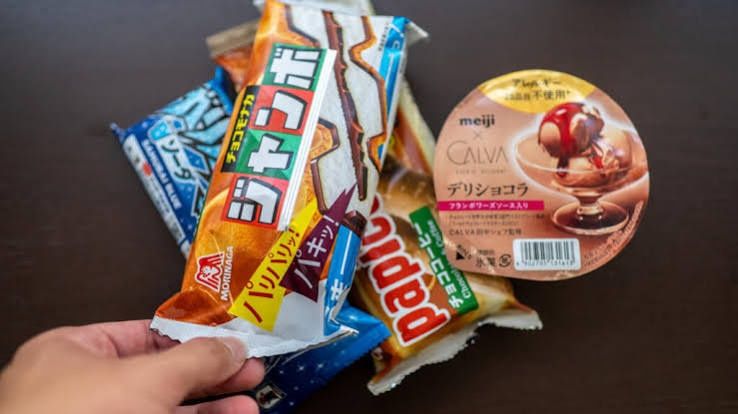
Japan's Fair Trade Commission has intensified its antitrust enforcement by conducting simultaneous raids on six of the country's largest ice cream manufacturers, signalling growing official concern about alleged price-fixing in a sector that enjoys robust seasonal demand. The inspection operations targeted the head offices of Meiji Co., Morinaga Milk Industry Co., Lotte Co., Ezaki Glico Co., Morinaga & Co., and Akagi Nyugyo Co., representatives from these firms and sources familiar with the investigation confirmed on Wednesday, June 17. The action represents a significant escalation in Japan's crackdown on anti-competitive behaviour as summer approaches, traditionally the most profitable season for ice cream producers.
According to an unnamed source briefing the Associated Press, officials from the six companies are suspected of engaging in sustained collusion to push up prices across the Japanese market. The investigation has uncovered evidence suggesting that company representatives maintained contact over an extended period through email communications and in-person meetings, during which they coordinated both the timing of price increases and the magnitude of those increases. This pattern of deliberate coordination distinguishes the alleged conduct from simple parallel pricing, which might otherwise occur naturally when firms face identical cost pressures. The level of documented communication between competitors indicates a structured approach to maintaining higher retail prices than would emerge from normal market competition.
The suspected coordination has reportedly intensified since around 2022, when Japanese ice cream manufacturers began implementing annual price hikes with notable simultaneity across the industry. Local media outlets noted that these increases consistently occurred at similar times each year, a pattern that regulatory authorities viewed as suspicious given the absence of any obvious coordinating mechanism. The synchronisation of pricing decisions across multiple competing firms suggests the absence of genuine independent decision-making, a hallmark of cartel behaviour that authorities worldwide consider particularly damaging to consumer welfare.
Beyond investigating whether competitors unlawfully agreed to raise prices, the JFTC is examining whether the manufacturers exploited macroeconomic conditions to justify price increases that exceeded the actual rise in raw material costs. The distinction matters significantly because while price increases reflecting genuine supply chain pressures and inflation in ingredient costs may be economically defensible, using such conditions as cover for artificially inflated price hikes represents an additional layer of consumer harm. This investigative angle suggests authorities suspect the firms may have used the widespread inflationary environment as convenient camouflage for arrangements that would otherwise appear more obviously collusive.
The timing of the raids aligns with a period of exceptional demand for frozen confectionery products. During the fiscal year ending in March, ice cream sales in Japan reached an unprecedented level exceeding 660 billion yen, according to data from the Japan Ice Cream Association. This record-breaking performance reflected the severe heat that gripped Japan during the preceding summer, when temperatures reached their highest levels since systematic record-keeping began in 1989. Such exceptional market conditions typically generate substantial profit opportunities, yet they also create circumstances where price increases might be more palatable to consumers accustomed to summer heat and less price-sensitive during peak consumption periods.
The implicated companies represent Japan's dominant ice cream manufacturers, meaning the alleged cartel would have encompassed a substantial portion of the domestic market. This concentration magnifies the potential harm, as consumers would have limited meaningful alternatives even if the largest suppliers were coordinating their pricing behaviour. The significance of investigating behaviour by leading firms reflects international regulatory best practice, as cartels among major competitors produce the most substantial consumer detriment and economic welfare losses.
All five of the companies that issued public statements regarding the inspections expressed their intention to cooperate fully with the JFTC investigation. Natsuyo Suzuki of Akagi Nyugyo confirmed that the firm would work constructively with investigators and acknowledged receiving an on-site inspection notice. This cooperative posture from defendants is standard in high-profile antitrust investigations, though it does not prejudge the factual findings or ultimate enforcement outcomes. Companies typically acknowledge receiving inspections and pledge cooperation as a matter of course while their legal teams simultaneously prepare vigorous defences.
The potential consequences for firms found to have participated in the cartel are substantial. If the JFTC determines that anticompetitive coordination occurred, it possesses authority to mandate that offending companies undertake significant remedial business practice reforms. Beyond these operational restrictions, the watchdog can impose financial penalties calculated to deter future violations and compensate society for the overcharges that consumers incurred. Such enforcement actions, particularly when targeting leading firms in significant consumer markets, carry reputational costs that often extend beyond the formal penalties.
This investigation demonstrates renewed assertiveness by Japan's competition authorities in policing cartels within domestic consumer goods markets. For Malaysian and Southeast Asian readers, the case underscores how antitrust enforcement has become increasingly sophisticated internationally, with authorities deploying coordinated inspection tactics and examining the intersection between inflation and collusion. Regional manufacturers and retailers should note the JFTC's particular focus on documentary evidence of communication between competitors, as similar investigations could readily extend to firms operating across Southeast Asia where supply chains and market structures create comparable cartel risks.

