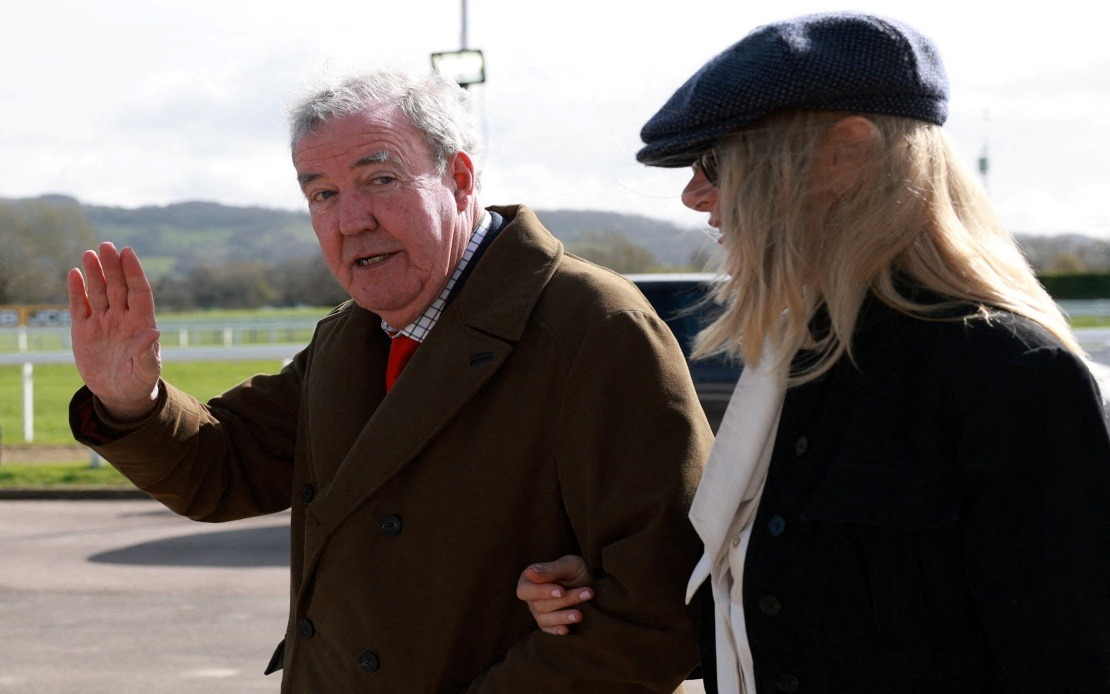
British television personality Jeremy Clarkson has disclosed a prostate cancer diagnosis during discussions about farm operations, marking another significant health challenge for the 66-year-old media figure known for his automotive and entertainment ventures. The disclosure emerged during planning conversations with farm manager Kaleb Cooper and land agent Charlie Ireland, where Clarkson matter-of-factly announced his condition before detailing the medical intervention he had already undergone.
In the season finale of his farming reality series, Clarkson provided further details about his treatment and prognosis. He explained that roughly 10 percent of his prostate gland—specifically the section containing the cancer—had been removed through surgical intervention. The presenter expressed cautious optimism about his recovery, indicating he anticipated good outcomes from the procedure, though he acknowledged that definitive confirmation of the operation's success would not arrive until November. His measured tone throughout the discussion reflected both his understanding of the situation and his characteristic directness in addressing personal matters publicly.
The medical journey has not proceeded without complications, as Clarkson revealed from a hospital bed during the season finale recording. He drew a poignant parallel between the beginning and conclusion of the filming season, noting that he had commenced production from a hospital bed and found himself in the same position upon completion. This circumstance underscores the intensity of his treatment process and the determination he has shown in maintaining his professional commitments despite serious health obstacles.
Addressing the future of his farming documentary series, Clarkson presented viewers with a candid assessment of what lay ahead. He stated that if his treatment proves successful, he would return for a sixth season, but alternatively, he would not continue if the cancer treatment failed. This frank acknowledgment of the stakes involved demonstrates the gravity with which he approaches both his health and his professional responsibilities. The show's next season is scheduled for broadcast in 2027, allowing considerable time for his recovery and treatment outcomes to become clear.
This health crisis is not Clarkson's first encounter with serious medical conditions in recent years. Nearly two years prior to the prostate cancer diagnosis, the presenter underwent a cardiac procedure in which physicians implanted two stents to enhance blood circulation to his heart. Following that intervention, his medical team had advised him to cease working temporarily, recommending he redirect his energy toward leisure activities such as golf rather than maintain his demanding television schedule. The cumulative effect of these health episodes illustrates the physical toll that his intensive work commitments have exacted.
Clarkson's health challenges extend further back into his personal history. He previously abandoned smoking after developing pneumonia during a holiday in Spain, demonstrating a pattern of lifestyle adjustments prompted by medical necessity. Each of these incidents reflects broader questions about the sustainability of his high-profile career and the importance of prioritising wellness over professional demands.
Since establishing his Oxfordshire farm operation in 2019 and subsequently launching his agricultural reality documentary, Clarkson has evolved into a prominent advocate for farming interests across the United Kingdom. His transformation from automotive entertainment to rural affairs commentary has proven genuinely resonant with audiences and has positioned him as a credible voice within agricultural discussions. This evolution reached a notable apex when he participated in a farmers' demonstration in London during November 2024, publicly opposing the British government's initiative to impose inheritance tax on farmland—a policy direction that would significantly affect the farming community's generational succession plans.
For Malaysian and Southeast Asian audiences, Clarkson's situation carries relevance beyond celebrity news. The prostate cancer diagnosis highlights the importance of health screening and early detection, particularly for men in their mid-60s, a demographic increasingly affected by such conditions across the region. His willingness to discuss his diagnosis openly and publicly contributes to reducing stigma surrounding prostate health and cancer treatment, encouraging other men to pursue appropriate medical consultations.
Clarkson's farming advocacy work also resonates within Southeast Asian contexts, where agricultural sectors face their own regulatory pressures and generational succession challenges. His transition from entertainment celebrity to agricultural commentator demonstrates how public platforms can amplify rural concerns, a model with potential applications in various national contexts throughout the region.
The broadcaster's approach to managing multiple health crises while maintaining professional momentum offers a perspective on work-life balance that contrasts sharply with contemporary culture's tendency toward relentless productivity. His openness about stepping back for medical treatment and his conditional commitment to returning only if his health permits suggests a reassessment of priorities—a message that carries universal significance in an era of widespread work-related stress and burnout.
As Clarkson embarks on what promises to be a challenging recovery period, his future remains contingent on treatment outcomes that will become fully apparent only in the coming months. The upcoming season of his farming series, delayed until 2027, will effectively serve as a barometer of his health journey's trajectory. Whether he returns to active production will ultimately depend on the success of his current medical intervention and his physical capacity to resume the demands of his multi-faceted career across television and print journalism.