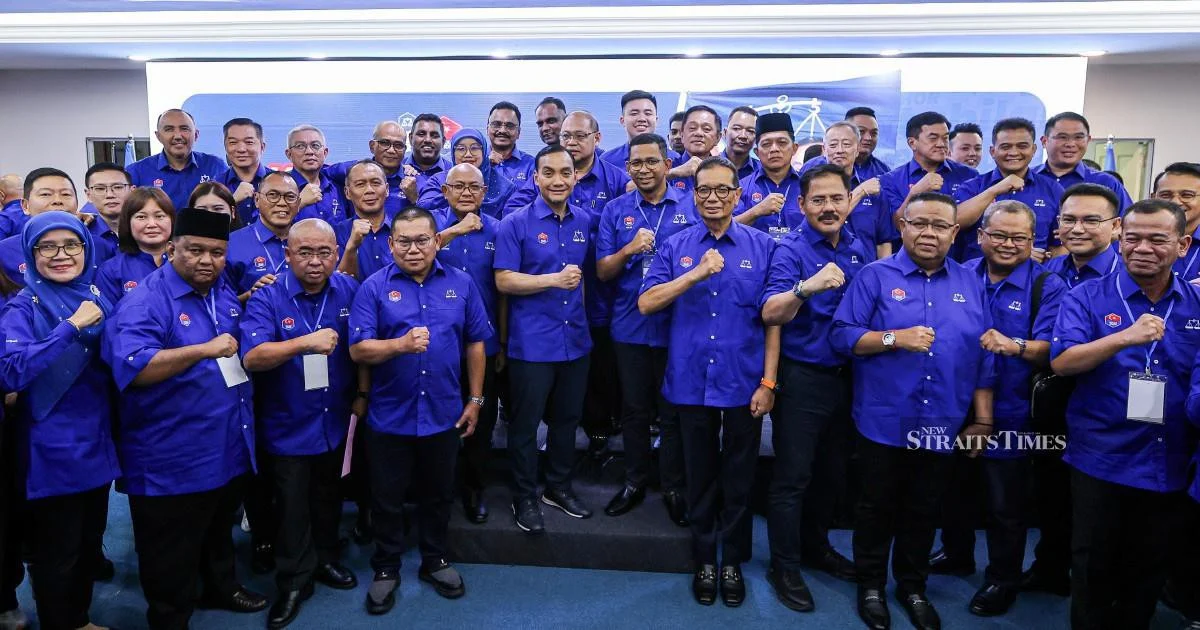
Johor Barisan Nasional is banking on a generation of fresh political candidates to reinvigorate the coalition's performance in the upcoming 16th state election scheduled for July 11. Operating from its Johor Baru headquarters, the component parties within the BN framework have introduced new faces determined to contest seats and restore the coalition to dominance in what remains one of Malaysia's most politically significant states.
The strategy of fielding new candidates represents a calculated shift for Barisan Nasional, which has faced erosion in voter confidence over recent electoral cycles. By introducing candidates who lack the baggage of previous political controversies, the coalition aims to present itself as reform-minded and responsive to public sentiment demanding change. These fresh political entrants symbolise the BN's effort to move beyond the organisational fatigue and public perception challenges that have dogged the coalition since 2018.
Johor remains strategically vital to Malaysia's political equilibrium. As the nation's second-largest state by population and economy, control of the Johor state government carries implications far beyond its borders, influencing national political dynamics and serving as a bellwether for federal election prospects. Any significant swing in Johor voting patterns typically reverberates through Malaysian politics, making the July 11 contest consequential for all major coalitions competing in the state.
The BN component parties—spanning Umno, MCA, and MIC alongside smaller partners—have coordinated their candidate selection process to balance continuity with renewal. Veterans of legislative experience remain within the candidate roster, but their numbers have been trimmed to create opportunities for individuals without extensive parliamentary records. This combination strategy attempts to reconcile party loyalty among core supporters with the fresh appeal needed to attract voters fatigued by conventional political establishments.
New candidates bring particular advantages in mobilising younger voters and suburban constituencies where demographic shifts have occurred. These emerging political figures are often untainted by association with past governance controversies, corporate scandals, or internal party disputes that have compromised the BN's public standing. In competitive urban and semi-urban seats, where swing voters concentrate, the introduction of articulate and dynamic candidates may prove pivotal in swaying electoral outcomes.
However, the viability of fielding inexperienced candidates depends substantially on the organisational capacity of BN party structures at divisional and district levels. New candidates require robust mentorship, substantial campaign resources, and coordination with established machinery to translate enthusiasm into electoral machinery. The success of this renewal strategy ultimately hinges on whether traditional party grassroots organisations can effectively mobilise support for politicians without the incumbent advantages of sitting representatives.
Johor's competitive electoral landscape has become increasingly fragmented, with multiple coalitions vying for voter support. Beyond Barisan Nasional, the Pakatan Harapan opposition coalition and other political groupings will field competing candidates. The fractionalisation of political competition means that winning margins in individual constituencies may narrow, making candidate quality and campaign intensity crucial differentiators. Newer candidates lacking incumbency advantages will face steeper challenges translating campaign promises into measurable support unless they command exceptional campaigning ability or district-level resonance.
The July 11 election arrives at a moment when Malaysian voters increasingly demand substantive policy proposals addressing cost-of-living pressures, employment concerns, and infrastructure development. New BN candidates will be evaluated not merely as symbols of political renewal, but as potential legislators capable of delivering concrete improvements to constituents' material circumstances. The coalition's messaging must therefore connect candidate freshness to credible policy agendas that address tangible public anxieties.
Geographically, Johor encompasses diverse constituencies—from the largely urban Johor Baru parliamentary region to rural and semi-rural areas inland where traditional party support structures remain resilient. New candidates will face varying electoral environments requiring tailored campaign approaches. Urban constituencies demand candidates with professional credentials and contemporary policy understanding, while rural areas place greater emphasis on personal networks and established community trust. The BN's candidate mix must adequately represent both environments to maintain competitive positioning across the state.
Campaign dynamics leading to July 11 will reveal whether fresh political faces genuinely mobilise additional voters or merely shuffle support among existing BN sympathisers. Early indicators will emerge from grassroots activities, public candidate engagement, and voter sentiment tracking in coming weeks. If new candidates demonstrate genuine capacity to expand BN's electoral coalition, the renewal strategy succeeds; if support levels merely consolidate existing voters without expansion, the novelty advantage proves superficial.
For Malaysian observers tracking broader political trends, the Johor state election outcome carries implications beyond state governance. The contest will provide empirical data on whether Barisan Nasional's organisational investments in candidate renewal effectively counter opposition momentum, or whether structural challenges limiting BN's appeal persist regardless of generational change. The performance of inexperienced candidates, measured against opposition and competing coalition competitors, will inform assessments of whether the BN model remains electorally viable in Malaysia's evolving political landscape.

