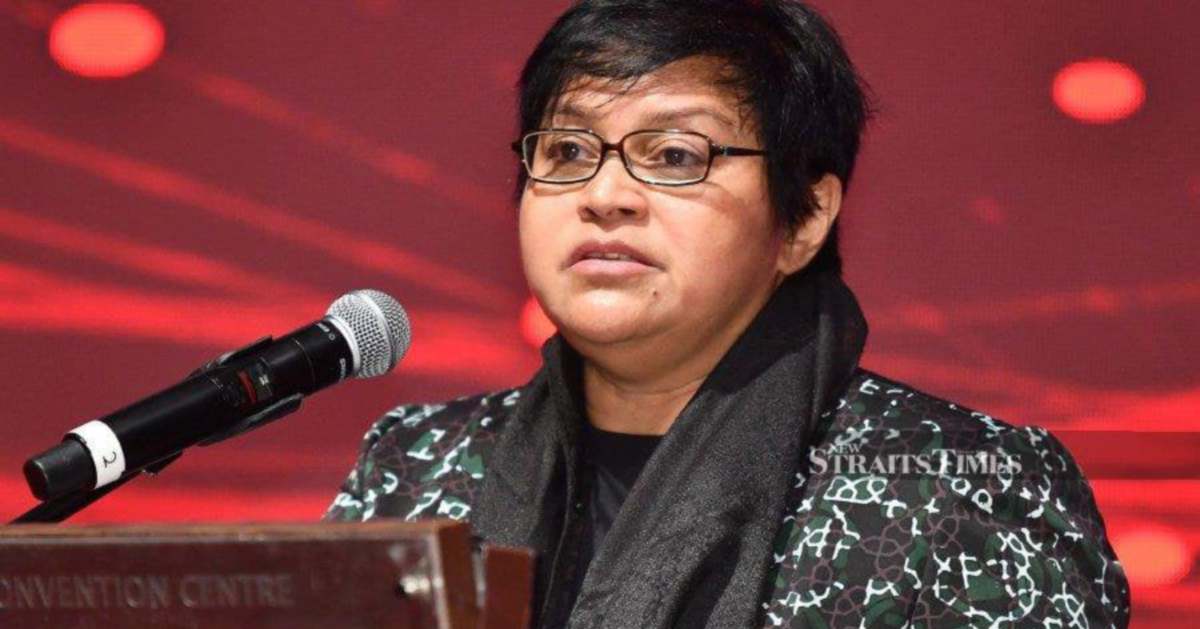
The formation of any potential coalition or unity arrangement in Johor should remain off the table until the electorate has cast their votes and the actual election outcome becomes clear, according to Umno's information chief Datuk Seri Azalina Othman Said. The cautionary stance represents an attempt to dampen speculation that has begun swirling around potential power-sharing arrangements in the state, even as campaigning remains ongoing.
Azalina's remarks reflect a broader pattern within Malaysia's political establishment of seeking to maintain discipline within party ranks during the campaign period. By discouraging premature coalition negotiations, the Umno leadership aims to prevent internal divisions that could undermine their electoral prospects and confuse voters about the party's actual intentions going forward. Such early commitments to coalition arrangements can sometimes alienate core supporters who prefer clarity before the ballot is cast.
The emphasis on waiting for definitive results carries practical significance for Malaysian politics, where post-election coalition-building has become increasingly common. Unlike in previous electoral cycles where outcomes typically translated directly into government formation, modern Malaysian elections frequently produce ambiguous results requiring extensive negotiations between competing blocs. This shift has fundamentally altered how parties approach the period between voting day and the installation of a new administration.
Johor's political landscape presents particular complexity given the state's significance within the national political architecture. As one of Malaysia's largest and most economically influential states, developments in Johor reverberate throughout the broader political system. The state has historically served as a powerbase for Umno and remains crucial to any national political reconfiguration, making its coalition arrangements a matter of national concern rather than purely local interest.
The decision to defer coalition discussions until after results emerge also reflects lessons learned from previous elections. Premature announcements regarding potential power-sharing arrangements can create expectations that become difficult to manage if the election outcome does not align with earlier predictions. Conversely, publicly committing to coalition plans before votes are tallied can sometimes limit negotiating flexibility and create additional pressure on party leadership to honour commitments made under different electoral circumstances.
For Malaysian voters in Johor specifically, the statement suggests they should focus on the immediate question of which candidate and party they wish to support in their local constituency, without attempting to factor into their decision the complex post-election calculations that may eventually unfold. This represents an implicit acknowledgement that most voters prefer to express their choice on the substantive issues at hand rather than engage with speculative coalition mathematics.
Azalina's intervention also points to tactical considerations within Umno itself. Discouraging coalition talk before results are known allows the party to maintain different coalition options depending on how the election unfolds. Should Umno and its traditional Barisan Nasional partners perform strongly, they may possess the numbers to form government independently without seeking external partners. Conversely, if their combined strength falls short of a majority, being uncommitted to any particular coalition beforehand preserves negotiating leverage with other political blocs.
The broader context of Malaysian electoral politics shows that coalition-building has become increasingly unpredictable and fluid. The emergence of multiple viable political blocs, the fragmentation of traditional party structures, and shifting voter preferences mean that election outcomes rarely produce the kind of clear mandates that characterised earlier decades of Malaysian politics. Acknowledging this reality by declining to negotiate coalitions until actual results are available represents a more realistic approach to contemporary political dynamics.
Within Johor specifically, various political combinations could theoretically emerge depending on how different constituencies vote and which parties secure the most seats overall. By declining to pre-commit to any particular arrangement, Umno and the Barisan Nasional maintain flexibility to respond to whatever political situation the election produces. This pragmatic approach also prevents the opposition from using any pre-election coalition commitments as campaign ammunition.
The statement arrives at a moment when speculation about post-election political arrangements has become routine even during campaigns. Media commentators, party operatives, and political analysts habitually begin mapping out potential coalition scenarios weeks or months before votes are cast. While such analysis provides context and helps voters understand potential outcomes, it can also distract from substantive policy discussions and create confusion about parties' actual positions and commitments.
From a Malaysian perspective, respecting the principle that coalition formation should await electoral results reinforces the democratic process. Voters deserve the opportunity to make their choices based on the parties and candidates directly before them, without those choices becoming entangled in complex coalition scenarios that may or may not materialise. By deferring coalition discussions, political leaders signal their commitment to allowing the electoral process to function without the corruption of advance power-sharing arrangements.
The implications for Johor and Malaysia more broadly remain substantial. How political parties conduct themselves during the campaign period and transition to coalition formation significantly affects public confidence in democratic institutions and the legitimacy of whatever government eventually takes office. Proceeding methodically—conducting the election first, determining results clearly, then engaging in coalition negotiations transparently—represents a more defensible approach than engaging in murky coalition deals before voters have spoken.
Moving forward, whether other party leaders adopt similar positions regarding Johor's post-election political arrangements remains to be seen. The election itself will provide clarity that no amount of pre-vote speculation can offer, ultimately making the waiting period Azalina advocates simply a matter of allowing democratic processes to unfold in their proper sequence.

