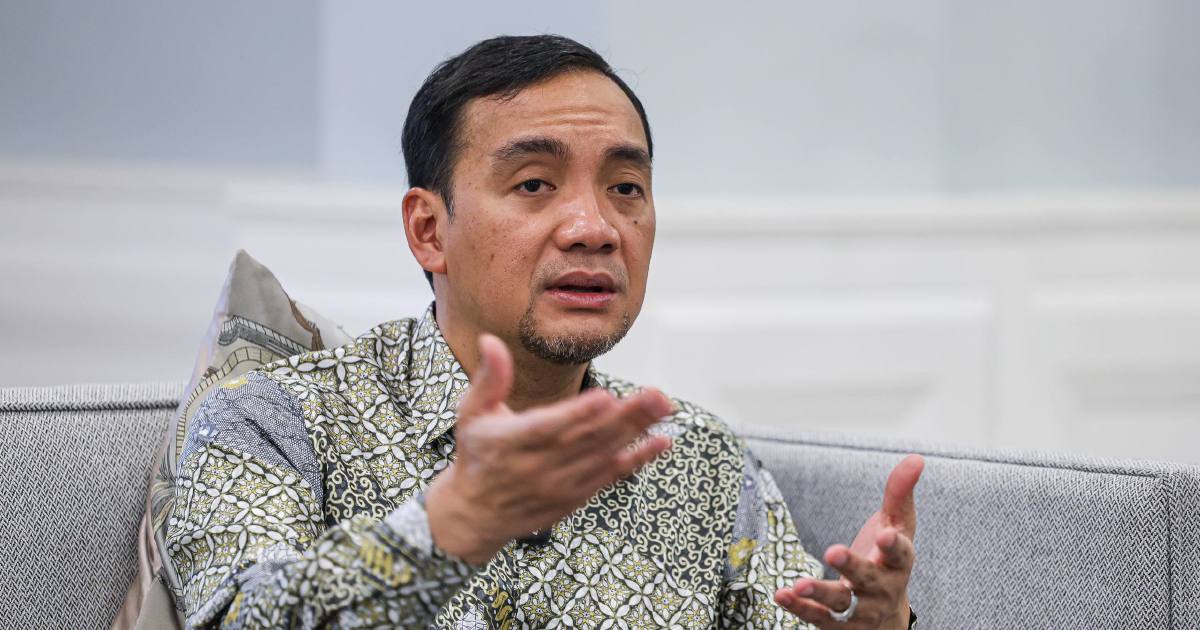
The royal households of Johor have intervened in the ongoing state election campaign to issue a pointed reminder to political contenders about the standards expected of those seeking public office. According to Johor Barisan Nasional chairman Datuk Onn Hafiz Ghazi, both His Majesty Sultan Ibrahim, the King of Malaysia, and Tunku Mahkota Ismail, the Regent of Johor, have expressed concern about the tone and tenor of campaign activities unfolding across the state, with specific warnings against personal attacks and conduct deemed uncivil by traditional standards.
The intervention by the Johor palace reflects an established constitutional role for Malaysia's monarchs in safeguarding the moral and institutional health of the nation and their respective states. As a constitutional monarchy, Malaysia places significant weight on royal guidance on matters of national importance, and campaign conduct directly affects public perception of democratic processes and political institutions. The palace's concern suggests that campaign activities may have already begun crossing boundaries deemed acceptable, prompting this early cautionary measure to steer the political discourse back toward substantive policy discussions rather than personal recriminations.
In the Malaysian political context, royal advisories carry particular weight beyond their literal words. The intervention signals displeasure with campaign practices that could damage public confidence in electoral processes or undermine the dignity of political competition. For political practitioners across party lines, such guidance effectively sets a standard that carries implicit consequences, as straying further could invite more formal royal displeasure or be interpreted as disrespecting the institution itself—a serious matter in Malaysia's political culture.
The timing of this palace intervention is significant. State elections in Johor are matters of considerable importance to both the national government and the state's leadership, with the results typically having ripple effects across Malaysia's broader political landscape. Johor has historically been a stronghold of the Barisan Nasional, though recent years have seen challenges to its political dominance. An election campaign marked by inflammatory rhetoric or personal attacks could distract from substantive debates about governance, economic development, and service delivery that voters ultimately care about.
Onn Hafiz's role in communicating this message is worth noting. As chairman of Johor BN, he occupies a position bridging the royal household and the political establishment. His willingness to publicly articulate the palace's concerns demonstrates a coordinated approach between state leadership and royal institutions, suggesting that multiple political stakeholders share an interest in maintaining campaign standards. This coordination can be more effective than palace statements alone, as it implies that major political actors themselves endorse the call for civility.
Campaign culture in Malaysia has evolved considerably over the past decade, with social media and digital platforms creating new avenues for political expression that sometimes bypass traditional gatekeeping mechanisms. Personal attacks, unsubstantiated claims, and inflammatory rhetoric can spread rapidly online before fact-checking or institutional oversight can take effect. The palace's reminder addresses this reality by emphasizing foundational principles of civil discourse that transcend the specific medium through which campaigns are conducted.
The distinction between vigorous political competition and personal attacks is crucial. Democratic systems depend on robust debate about ideas, policies, and leadership competence. The palace's advisory does not appear to be attempting to suppress such debate but rather to distinguish between legitimate political criticism and attacks that cross into personal vilification or character assassination. Maintaining this boundary requires discipline from political communicators, party machinery, and campaigns across all participating organizations.
For Southeast Asian observers, the Johor palace's intervention illustrates how constitutional monarchies in the region attempt to preserve institutional integrity within democratic systems. Unlike purely ceremonial monarchies, Malaysia's Sultan and state rulers retain significant constitutional authority and moral standing. This advisory demonstrates how such authority can be deployed to shape political behaviour without direct legal consequences, relying instead on cultural respect for the institution and its representative.
The broader implications for Malaysian democracy depend partly on how effectively this advisory influences actual campaign conduct. If political parties heed the palace's counsel and redirect their campaigns toward policy substance and vision-based appeals, the electoral process could emerge strengthened. Conversely, if the warning is ignored and campaigns continue deteriorating, it could prompt further royal interventions or suggest that traditional institutional mechanisms for maintaining democratic standards are losing their persuasive power in contemporary Malaysian politics.
Beyond the immediate campaign context, this intervention raises longer-term questions about political culture and the health of democratic institutions. A functioning democracy requires not just formal procedures and constitutionally defined powers, but also informal norms and mutual respect among competitors. When campaigns descend into personal attacks and incivility, they erode these norms and potentially damage public faith in democratic processes themselves. The palace's willingness to defend these standards publicly suggests recognition that external moral guidance remains important for maintaining the conditions that allow democratic competition to flourish.
For Malaysian voters and political observers, the palace's statement offers a framework for evaluating campaign conduct. Rather than accepting political attacks and inflammatory rhetoric as inevitable features of electoral politics, voters can use the palace's standards as a measure of whether candidates and parties are meeting minimum expectations for public service. This gives ordinary citizens a reference point for holding political actors accountable not just through voting, but through ongoing criticism and public discourse about campaign ethics.
The months ahead will test whether the Johor palace's appeal produces tangible changes in campaign behaviour. The state's political leadership, national party officials, and grassroots campaigners will all play roles in determining whether the campaign maintains acceptable standards or continues along a more contentious path. Whatever the outcome, the palace's intervention has clearly staked out the institution's position: that campaigns can be competitive without being corrosive, and that those seeking to lead Johor should demonstrate the civility and responsibility expected of public servants.

