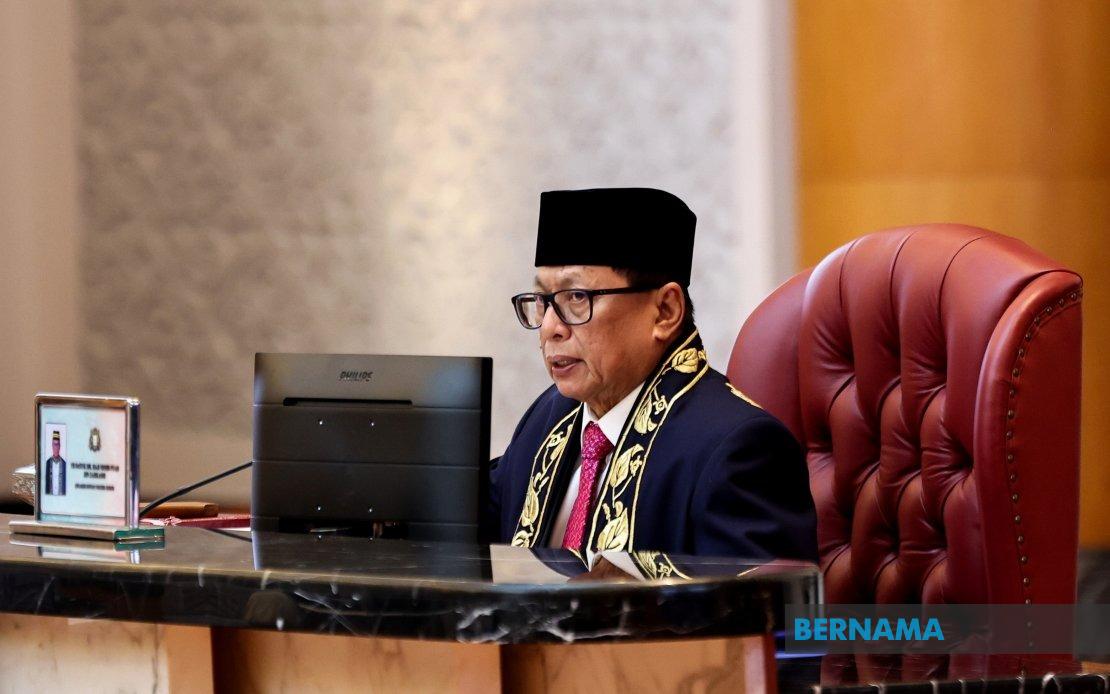
Datuk Dr Mohd Puad Zarkashi, the sitting assemblyman for Rengit and Speaker of the Johor State Legislative Assembly, has announced his intention to step back from electoral politics, signalling a deliberate move toward rejuvenation within UMNO's leadership ranks ahead of the July 11 state election. The 69-year-old legislator made the announcement through social media on June 17, explaining that he had reached this conclusion well over a year prior and formally notified party leadership of his decision within the past fortnight.
Mohd Puad conveyed his plans directly to UMNO president Datuk Seri Dr Ahmad Zahid Hamidi and Johor UMNO chairman Datuk Onn Hafiz Ghazi, framing his withdrawal as a conscious effort to make room for younger candidates. His reasoning centred on his advancing years—presently 69 and projecting to reach 74 within a five-year term—which he described as incompatible with the demands and forward-looking trajectory the party requires. This candid acknowledgement of age-related limitations reflects a broader theme increasingly prominent in Malaysian politics, where intergenerational tension between entrenched senior figures and ambitious younger aspirants frequently shapes internal party dynamics and electoral strategy.
The decision carries particular weight given Mohd Puad's position as the Johor state assembly speaker, a role that typically commands respect and influence within the legislative framework. His withdrawal represents not merely a personal retirement but a statement about leadership philosophy: that elected positions should ideally transition to those with longer career horizons ahead. By publicly advocating that candidates aged 50 and below be prioritised for state seats, Mohd Puad has essentially endorsed a systematic generational shift rather than framing his own departure as an isolated case.
Rengit, located in Johor, has been Mohd Puad's electoral stronghold for at least the most recent election cycle. In the 2022 Johor state election, he secured the seat with a majority of 1,920 votes—a respectable but hardly overwhelming margin that might have suggested electoral vulnerability in the coming contest. His decision to step aside preemptively therefore avoids the risk of defending a seat where opponents could have mounted credible challenges, a calculation that underscores strategic thinking beyond mere sentiment about age and renewal.
Mohd Puad's articulation of desired candidate qualities provides insight into the values framework guiding UMNO's selection process for the upcoming election. He emphasised education, moral integrity, dedication to the party's ideological mission, and alignment with national direction as essential attributes for prospective legislators. This emphasis on character and commitment alongside formal qualifications suggests an effort to reshape perceptions of UMNO's candidate calibre, particularly important for a party that has faced recurring scandals and credibility challenges in recent years. The specification of these criteria in advance of candidate announcements may signal attempts to raise standards or at minimum establish clearer benchmarks for selections.
Mohd Puad's backing for Onn Hafiz's continued leadership of Johor, framed as enabling the Johor UMNO chairman to helm a refreshed and younger team, reinforces factional dynamics within Johor UMNO. By facilitating such generational renewal at the state level, Mohd Puad effectively endorses the current leadership hierarchy while positioning himself as a dignified elder statesman rather than an obstacle. This approach preserves his standing and potential influence in party circles even after stepping away from electoral contention.
The timing of his announcement matters considerably for the electoral calendar. Nomination day is scheduled for June 27, providing roughly ten days between his declaration and the formal candidate registration deadline. Prospective UMNO candidates for Rengit can now mobilise support during this crucial window, though the party's central leadership will ultimately determine the official nominee. This period typically involves intensive internal negotiations within constituencies as various factions and interest groups press their preferred candidates.
Mohd Puad's references to completing unfinished business before nomination day suggest administrative responsibilities he intends to discharge in his capacity as speaker, demonstrating commitment to institutional duties despite his political exit announcement. His gratitude to Sultan Ibrahim, King of Malaysia, for the royal consent enabling his appointment as speaker reflects the constitutional framework governing such legislative offices in Malaysian states and appropriate deference to the constitutional monarchy.
From a broader Southeast Asian perspective, Mohd Puad's candidly age-conscious withdrawal contrasts with patterns elsewhere in the region where political gerontocracy remains entrenched. His explicit reasoning that younger individuals deserve opportunity differs markedly from narratives in neighbouring countries where septuagenarian leaders routinely contest elections or refuse succession planning. For Malaysian readers, particularly those concerned with democratic vitality and responsive governance, such generational transitions carry implications for how effectively state governments can address contemporary issues like urban planning, digital infrastructure, and social media regulation—domains where experience-age gaps significantly influence policy approach.
The Rengit seat will now likely feature a contest among new or less-established UMNO candidates, potentially reshaping the constituency's political dynamics. Voters accustomed to Mohd Puad's representation will encounter fresh faces and platforms, offering both opportunity for change and risk of reduced continuity in constituent services. How UMNO deploys its candidate selection process to fill this vacancy will demonstrate whether its commitment to rejuvenation extends genuinely throughout the party or remains rhetorical.
Mohd Puad's exit from electoral politics on his own terms, rather than through electoral defeat or internal party pressure, constitutes an unusual and instructive moment in Malaysian politics. His articulation of responsibility toward younger generations, while maintaining institutional respect and party loyalty, suggests pathways through which senior figures can facilitate succession without the rancorous transitions often characterised by personal animosity or forced removals. Whether this model influences broader patterns of leadership transition across Malaysian political parties remains to be observed in coming election cycles.

