The nomination phase of Johor's 16th state election proceeded without interruption across all 56 designated centres on June 27, marking an orderly start to what will be a closely watched contest in one of Malaysia's most populous and economically significant states. The seamless conduct of the nomination day reflects careful advance planning by election authorities and law enforcement, who mobilized substantial resources to prevent potential flashpoints that often characterize high-stakes electoral exercises in Malaysia.
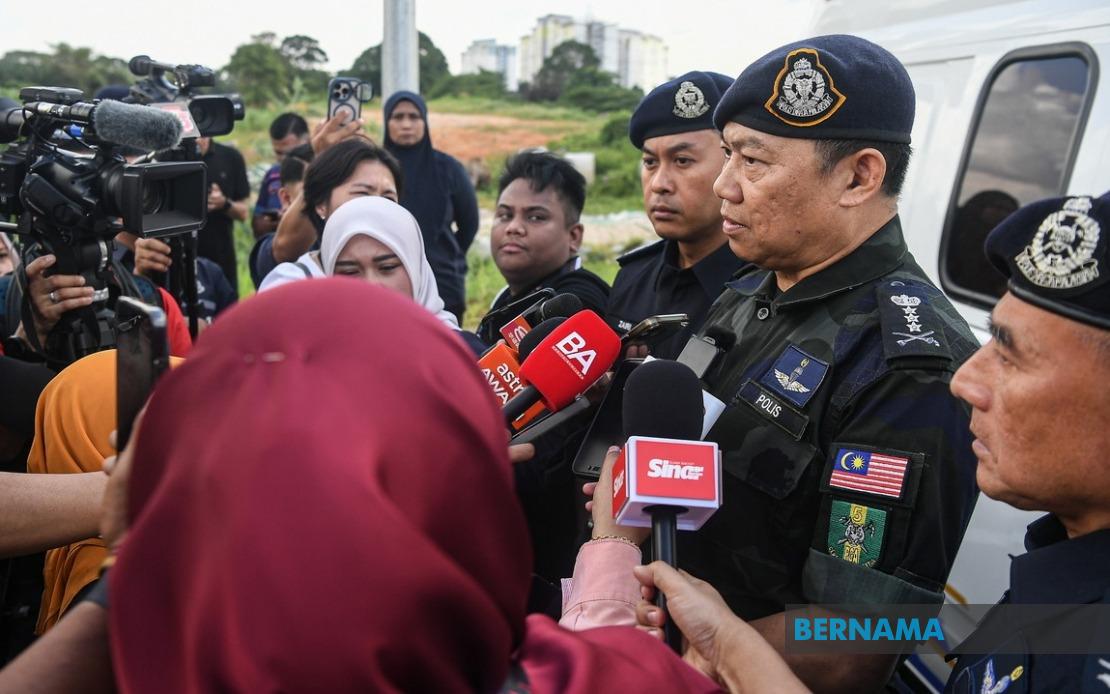
Johor police chief Datuk Ab Rahaman Arsad confirmed that no incidents had been reported that might have compromised the integrity of the nomination process. This assurance came after he and other senior security officials toured multiple nomination centres, including the Puteri Wangsa voting location at Sekolah Menengah Kebangsaan Bandar Dato Onn in Johor Bahru, where he observed candidates and party representatives completing their filing procedures without commotion. The visible police presence appeared sufficient to deter any troublemakers while remaining unobtrusive enough not to intimidate voters or candidates exercising their electoral rights.
The scale of the security operation was substantial. A total of 4,832 police officers and personnel were stationed throughout Johor to monitor the nomination process and maintain public order. This deployment underscores the seriousness with which authorities approached the exercise, particularly given past instances of electoral tension in Malaysian states and the potential for rival camps to clash during high-profile nomination windows. The visible readiness of the security apparatus likely served as an effective deterrent against any groups contemplating disruption, setting a professional tone for the campaign period that would follow.
Beyond the nomination day itself, election officials have already begun processing campaign permits, which serve as the regulatory framework governing how parties and candidates conduct their election activities. The Election Commission had approved 26 campaign permits by the time of the nomination process, with expectations that additional permits would be issued as the campaign period intensifies. These permits regulate campaign venues, rally schedules, and public activities, helping authorities manage the flow of campaign activities and prevent overcrowding or logistical conflicts between competing campaigns.
Datuk Ab Rahaman issued a measured but firm reminder to all political parties and candidates regarding their obligations during the campaign period. He stressed the importance of responsible campaigning and strict adherence to election laws and regulations set by the Election Commission. This message carries particular weight in Johor, which has historically seen spirited and sometimes contentious electoral contests between the ruling coalition and opposition forces. The police chief's emphasis on responsibility signals that while parties enjoy freedom to campaign, this freedom comes with clear boundaries designed to protect public safety and electoral integrity.
The police chief also warned explicitly against any actions that could threaten public order, making clear that authorities would not tolerate intimidation, violence, or other disruptions. This preemptive messaging is a standard practice ahead of major elections, as it establishes unambiguous expectations for all stakeholders. The tone suggested that while police would facilitate free campaign activities, they stood ready to respond swiftly to any violations, creating a framework within which political competition could unfold without descending into chaos or law-breaking.
The timeline for the remainder of the election process has been clearly established. The Election Commission scheduled July 7 for early voting, a provision that allows certain categories of voters—including those who will be away from their constituencies on polling day, election workers, and security personnel—to cast their ballots in advance. This early voting window typically runs for a single day and helps reduce congestion on polling day itself while accommodating the practical needs of various voter groups. Early voting results, however, are only counted after the official polling day concludes.
July 11 has been set as the official polling day for the 16th Johor state election. This two-week window between nomination day and polling day provides candidates and parties sufficient time to conduct their campaigns, though it is considerably compressed compared to federal election cycles. The brevity of the campaign period in state elections means that campaigns in Johor are typically intensive, with parties deploying all available resources to reach voters through rallies, door-to-door outreach, social media, and traditional media advertising. This concentration of campaign activity in a short timeframe often generates considerable political heat in the state.
The conduct of the nomination process reflects years of institutional learning by Malaysian electoral authorities. Elections in Malaysia have become increasingly well-organized over successive electoral cycles, with the Election Commission and security agencies developing sophisticated systems for managing large-scale voting exercises involving multiple political parties and millions of voters. The smooth operation of the nomination day, despite the complexity of coordinating activities across 56 different venues with hundreds of candidates and party representatives, demonstrates this institutional competence.
For Malaysian political observers, the incident-free nomination process signals that the election itself is likely to proceed in an orderly manner, barring any unexpected developments during the campaign period. The professional conduct of security forces and election officials sets a constructive tone that encourages political parties to channel their competitive energies into legitimate campaign activities rather than resorting to disruption or intimidation. In the context of Malaysian politics, where elections serve as the primary mechanism for democratic accountability and peaceful transfer of power, such orderly conduct of electoral procedures is essential to maintaining public confidence in the democratic process.
As Johor moves through the campaign period toward polling day, the groundwork laid during the smooth nomination process will likely contribute to a competitive but structured electoral contest. The balance between allowing vigorous political competition and maintaining public order—which the police and election authorities struck on nomination day—will be tested in the weeks ahead as campaigns heat up and rival parties jostle for voter attention and support across all 56 state seats.

