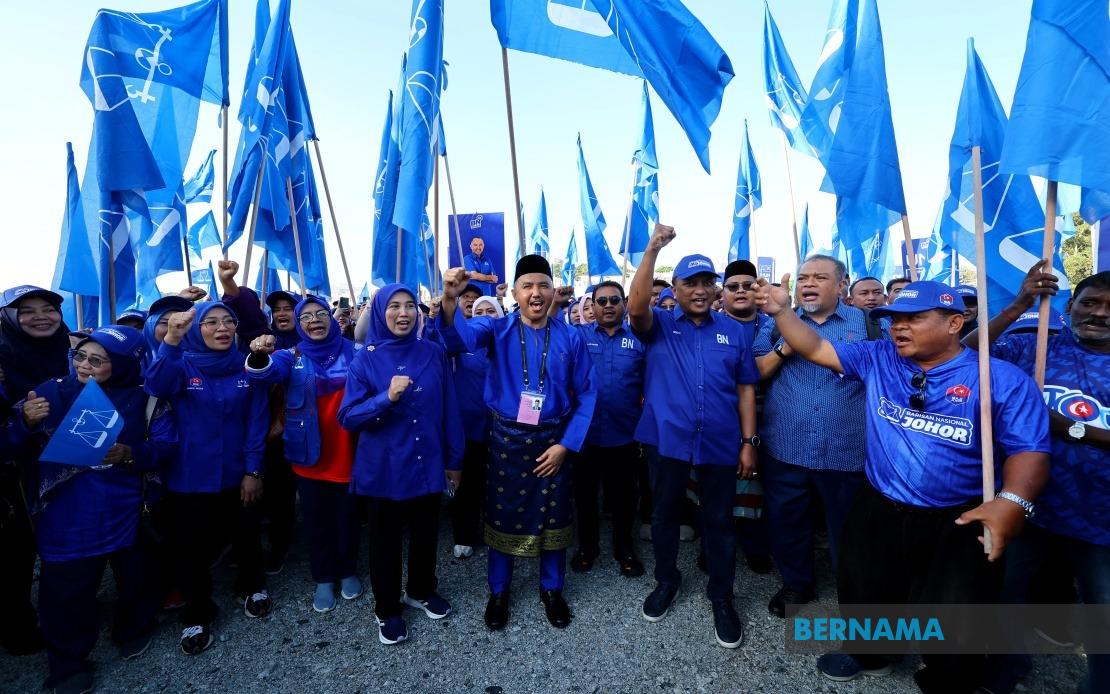
The nomination phase of Johor's 16th state election drew to a close on June 27 as all 56 polling centres across the state shut their doors at 10am sharp, with returning officers announcing the formal conclusion at their respective locations. The one-hour submission window, which opened at 9am, allowed the final candidates to lodge their nomination papers before the critical juncture that determines the contest ahead.
The closure of the nomination centres represents a pivotal transition in the electoral calendar. The Election Commission has now turned its focus to compiling and publishing the official roster of eligible candidates and determining the competitive landscape across Johor's state seats. This list will clarify which constituencies face straight fights, multi-cornered contests, or uncontested victories—a composition that will shape political strategies for the remainder of the campaign.
With nominations formally complete, the campaign period proper has commenced and will run until 11.59pm on July 10, providing political parties and independent candidates with a full 14 days to engage voters. This timeframe has been meticulously set by the Election Commission to ensure parties have adequate opportunity to mobilise supporters, conduct grassroots activities, and present their policy platforms to the electorate across Johor's diverse constituencies.
Throughout the nomination process, party representatives gathered at the centres to accompany their candidates, a visible demonstration of organisational support and party solidarity. The atmosphere at the centres remained notably peaceful and orderly, with no recorded instances of disorder or confrontational behaviour between rival political camps. Law enforcement personnel from PDRM stationed at each location worked in conjunction with members of RELA to maintain security and facilitate smooth operations.
Johor's electoral register reflects the scale of this state contest, with 2,727,926 eligible voters set to participate in determining the state's political direction. This voter population comprises 2,703,175 ordinary voters alongside 12,041 military personnel and their spouses and 12,710 police personnel and their spouses. The inclusion of these uniformed service personnel in the electoral process reflects Malaysia's democratic framework, which extends suffrage across the security establishment.
The electoral timetable established by the Commission provides voters with multiple entry points to participate. Early voting will be held on July 7, allowing eligible voters who anticipate unavailability on polling day to cast their ballots in advance. This accommodation recognises the practical constraints faced by working voters, those travelling during the election period, and individuals with mobility considerations. The main polling day itself falls on July 11, creating a clear demarcation between the intensive campaign period and the moment of democratic decision.
Johor's state election carries significance extending beyond the state's borders. As Malaysia's most southern peninsula state and a major economic hub, the political direction chosen by Johor voters influences the broader political landscape of the nation. The state has historically served as a barometer for electoral trends, and outcomes here often provide early indicators of shifting voter sentiment that may reverberate across other states and at the federal level.
The orderly and incident-free conclusion of the nomination process reflects institutional maturity in Malaysia's electoral administration. The absence of procedural disruptions or security concerns demonstrates that despite Malaysia's occasionally contentious political environment, the fundamental mechanisms of democratic participation function smoothly. The coordination between the Election Commission, police, and civil auxiliary forces ensured that candidates from all parties could participate without obstruction or intimidation.
As the campaign period unfolds over the coming fortnight, attention will shift to the ground game—the rallies, door-to-door canvassing, digital campaigns, and public engagements through which parties seek to persuade voters. The candidate list will become public knowledge, potentially reshaping voter expectations about which personalities will represent them in the state assembly. In some constituencies, the composition of candidates may energise certain segments of the electorate while disappointing others, potentially affecting voter turnout and party fortunes.
The Election Commission's careful structuring of the electoral timeline reflects lessons learned from previous elections and international best practices in democratic administration. The 14-day campaign window provides sufficient duration for meaningful voter engagement without extending the period of heightened political activity to the point of voter fatigue. The specific dates—early voting on July 7 and main polling on July 11—allow the commission time to prepare materials, train poll workers, and address any emerging issues.
Johor voters now enter a phase where electoral choice becomes the dominant theme in local discourse. Media coverage will intensify, policy promises proliferate, and political activists mobilise their bases. For a state with Johor's economic importance and diverse demographic composition—spanning urban centres like Johor Bahru, industrial areas, and rural constituencies—the range of voter priorities and concerns will likely surface during campaign activities.

