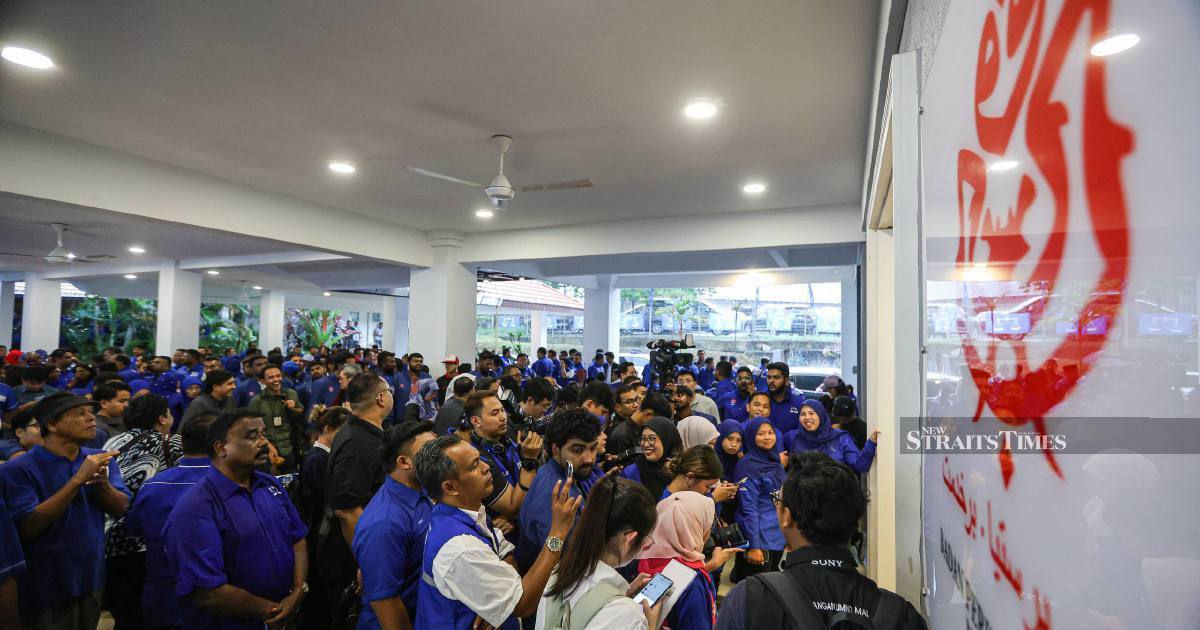
The Johor Umno headquarters in Johor Baru has become a focal point of political activity as Barisan Nasional's machinery mobilises for the eagerly anticipated announcement of its candidates for the 16th Johor state election. Party dignitaries, rank-and-file members and supporters have been streaming into the venue, creating a palpable sense of anticipation that reflects the high stakes surrounding the electoral contest in one of Malaysia's most politically significant states.
The gathering underscores the considerable importance the coalition places on Johor, a state whose electoral outcomes often reverberate across national politics. As a traditional stronghold of Barisan Nasional, the coalition's performance here will serve as a barometer for its broader standing in the electorate and its capacity to mobilise support across different demographic groups and constituencies.
Johor's electoral dynamics have shifted substantially over the past decade, reflecting broader transformations in Malaysian politics. The state has witnessed intense competition between Barisan Nasional and opposition coalitions, with the 2022 general election demonstrating the fluidity of voter preferences and the necessity for coalitions to continually refresh their candidate selections and messaging strategies.
The candidate announcement process itself carries significant symbolic weight within Malaysian political culture. The unveiling of a slate represents not merely a procedural step but a public statement of a coalition's priorities, its commitment to generational renewal, and its strategic calculations about which personalities and local figures can most effectively translate party machinery and resources into electoral victories at the grassroots level.
Barisan Nasional's reliance on Umno as its dominant component has particular resonance in Johor, where Umno maintains deep organisational roots and historical associations with state governance. The gathering of supporters demonstrates the extent to which candidate announcements function as occasions for energising party faithful and projecting an image of cohesion and momentum to the broader electorate.
The enthusiasm evident at the headquarters reflects recognition among Barisan Nasional operatives that the 16th state election will demand a comprehensive campaign effort. Johor voters, like their counterparts across Malaysia, have demonstrated increasing sophistication in evaluating candidates on bases extending beyond party affiliation, including local track records, responsiveness to community concerns, and demonstrated competence in delivering constituency-level services.
The coalition faces the substantive challenge of presenting candidates capable of addressing voter priorities that research and ground-level intelligence suggest remain focused on economic opportunities, cost of living pressures, and quality of state infrastructure and services. Candidates selected must therefore demonstrate not only party loyalty but also credible connections to local issues and communities.
Barisan Nasional's candidate selection process carries implications for how the coalition intends to position itself relative to both opposition parties and emerging political constituencies within Johor. The particular mix of incumbents, new candidates, and promoted figures carries messages about the coalition's assessment of current electoral geography and demographic shifts within the state.
The convergence of party members and supporters also highlights the continued relevance of traditional grassroots mobilisation within Malaysian electoral politics. While digital campaigning and media strategies have become increasingly important, the capacity to energise party structures and generate enthusiasm among core supporters through in-person gatherings remains a meaningful asset for political coalitions, particularly in state-level contests.
For Johor voters, the candidate announcements represent the opening of a critical period in which they will assess the quality and credibility of those seeking their mandate. The subsequent campaign phase will determine whether Barisan Nasional's candidate slate successfully communicates its policy agenda and resonates with voter concerns across the state's diverse constituencies.
The 16th Johor state election carries particular significance because it occurs within a broader context of realignment within Malaysian politics. The outcomes will influence not only the state's governance trajectory but also contribute to evolving assessments about the coalitional and electoral arrangements that shape national political competition.
Observers of Malaysian politics have noted that state elections frequently serve as proving grounds for emerging political talents and testing laboratories for campaign strategies subsequently deployed at the national level. The Johor election thus carries implications extending beyond the state itself, with both Barisan Nasional and opposition coalitions treating the contest as an opportunity to demonstrate organisational capability and substantive policy competence.
As the candidate announcement process unfolds, the atmosphere at Johor Umno headquarters reflects the genuine significance party operatives attach to the coming election. The mobilisation evident there will likely characterise the broader campaign effort as Barisan Nasional pursues what it views as a critical electoral contest for restoring and consolidating its position across Johor's constituencies.

