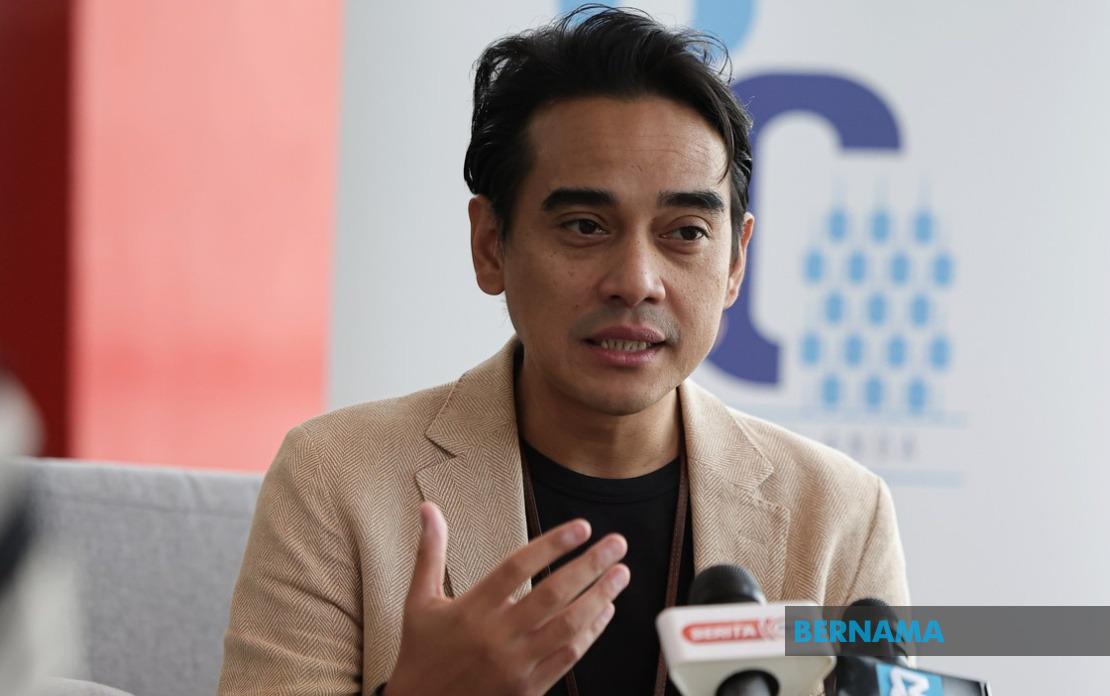
The Malaysian media industry faces a critical inflection point as artificial intelligence reshapes how news is gathered, analysed, and distributed. Speaking in Kuala Lumpur on June 17, Ashwad Ismail, Director-General of Broadcasting, delivered a stark message to journalism professionals: those who do not develop proficiency with AI tools risk becoming obsolete in their own field. His intervention comes at a pivotal moment when media organisations across Southeast Asia grapple with technological disruption, declining revenues, and shifting audience behaviour.
Ashwad's perspective reframes the AI debate in an important way. Rather than presenting artificial intelligence as an existential threat to journalism as a profession, he positioned it as a force multiplier for human talent. The distinction matters considerably. While automation anxiety pervades many creative industries, the broadcasting chief articulated a more nuanced reality: journalists themselves do not face replacement by machines, but rather by other journalists who have honed their ability to harness AI capabilities. This competitive dynamic creates immediate pressure on practitioners to upskill or risk professional marginalisation.
The underlying argument carries particular weight in Malaysia and across the broader Southeast Asian region, where newsrooms already operate with constrained budgets and smaller teams than their Western counterparts. AI tools that can accelerate research, identify patterns in large datasets, or help verify information across multiple sources could theoretically allow journalists to accomplish more with fewer resources. For organisations struggling to maintain editorial quality while managing costs, the technology offers tangible operational benefits that extend beyond mere efficiency gains.
Yet Ashwad acknowledged that technological adoption alone cannot drive meaningful change. He expressed genuine concern about the sector's capacity to navigate this transition successfully. The inability of media practitioners to adapt to rapid technological change represents one of the most pressing challenges facing the industry. Beyond the immediate question of joblessness—a legitimate worry for journalists of all experience levels—lies a deeper institutional problem: many newsrooms lack the infrastructure, training programmes, and institutional commitment necessary to guide their staff through such a profound shift.
Crucially, Ashwad advocated for implementing clear operational guidelines governing AI use within newsrooms. This is not merely a technical matter but an ethical and professional one. Without established frameworks, media organisations risk deploying AI in ways that could compromise journalistic standards, reduce editorial oversight, or inadvertently amplify misinformation. The guidelines he envisions would serve dual purposes: enabling journalists to leverage AI effectively while maintaining the editorial controls and ethical safeguards that distinguish professional journalism from algorithmic content generation.
The strategic application of AI should enhance rather than diminish journalistic capacity. Used responsibly, the technology can assist with data verification, help identify emerging stories from patterns in information flows, and free journalists from routine tasks to focus on investigation and interpretation. However, the human element remains irreplaceable. Judgment, contextualisation, source development, and ethical decision-making—the core competencies of journalism—cannot be delegated to algorithms. The goal must be symbiosis rather than replacement.
Ashwad's remarks touch on another dimension often overlooked in discussions of media innovation: rebuilding public trust. He advocated for a return to journalism fundamentals, emphasising hyperlocal reporting and genuine community engagement. Paradoxically, as technology becomes more sophisticated, the human dimension of journalism grows more valuable. Readers increasingly seek not just information but understanding grounded in local context and human insight. This creates an interesting opportunity: AI can handle information processing and initial story identification, while journalists provide the interpretation, accountability relationships, and community knowledge that audiences genuinely value.
The Malaysian broadcasting chief's statements arrive as the industry prepares for HAWANA 2026, a major regional gathering that will bring together over 1,200 media professionals, ASEAN delegates, and other stakeholders. The conference will be officially opened by Prime Minister Datuk Seri Anwar Ibrahim at PICCA Convention Centre @ Arena Butterworth, Penang on June 20. The timing underscores how central questions about journalism's future have become to policy and industry discussions across Southeast Asia.
For Malaysian newsrooms specifically, the implications are substantial. The country's media landscape encompasses state-linked entities like BERNAMA, private commercial outlets, and emerging digital platforms. Each operates under different resource constraints and strategic priorities. Yet all face similar pressure to demonstrate relevance and audience engagement in an environment where attention is fragmented across multiple platforms. Those organisations that systematically invest in AI literacy and establish clear protocols for its use may gain competitive advantages in speed, depth, and personalisation of coverage.
The transition will not be painless. Journalists rightly worry about job security, and existing skill gaps between experienced practitioners and newer entrants may widen if training is not universally available. Professional associations and industry bodies have a role to play in ensuring that AI adoption does not become a mechanism for cost-cutting at the expense of editorial quality. Ashwad's call for guidelines reflects an understanding that technology implementation must be accompanied by institutional safeguards.
Beyond Malaysia, the implications ripple across Southeast Asia, a region where digital adoption is rapid but media literacy and institutional capacity vary considerably. Countries with stronger public broadcasting traditions and more resources can more easily invest in journalist training and AI implementation frameworks. Smaller markets and less well-resourced outlets may struggle, potentially widening disparities in coverage quality and institutional capability. This regional dimension suggests that industry associations and potentially regional bodies like ASEAN might need to facilitate knowledge-sharing and capacity-building initiatives.
Ultimately, Ashwad's message reflects a wider consensus emerging among media leaders globally: AI is neither saviour nor destroyer of journalism, but rather a tool whose impact depends entirely on how practitioners choose to use it. The professionals who succeed will be those who maintain clear commitment to journalistic principles while developing practical competence with new technologies. For Malaysia's media industry, meeting this challenge requires simultaneous investment in both technological infrastructure and the human development necessary to use it wisely.

