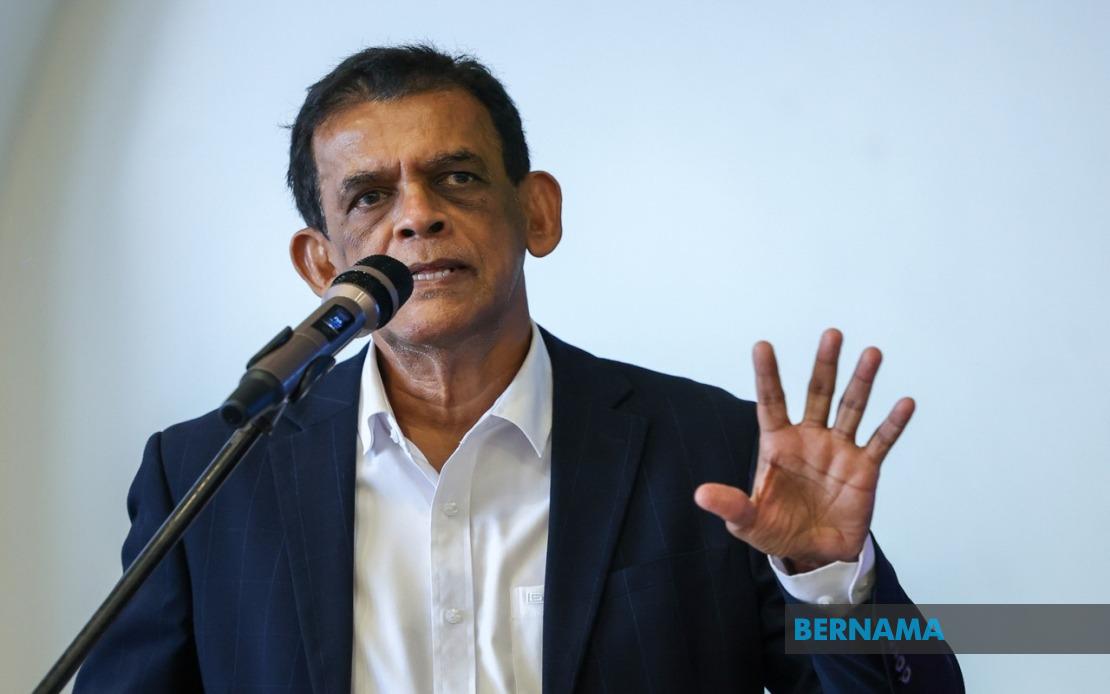
The Malaysian Artistes' Association (Karyawan) is preparing to hand a comprehensive policy memorandum to the Prime Minister in the wake of its Music Practitioners Convention scheduled for Sunday, June 21, at Saloma Restaurant in Kuala Lumpur. The initiative reflects growing momentum within Malaysia's music sector to address systemic challenges that have constrained industry growth and artist welfare. Karyawan president Datuk Freddie Fernandez announced the move at a press briefing, signalling that the convention will serve as a catalyst for formal engagement with the federal government on critical structural reforms.
The convention is expected to draw more than 200 artistes, composers, producers, and other music industry stakeholders to deliberate on a spectrum of issues affecting their livelihoods and professional development. Fernandez stressed that the gathering represents an overdue stocktaking of the sector, which he characterised as having experienced concerning and counterproductive trends over the past two decades. His candid assessment suggests that industry leaders believe the time for incremental change has passed, and that systematic renewal is necessary to position Malaysia's music ecosystem competitively within the regional and global marketplace.
Among the priority areas to be addressed in the memorandum is the contentious issue of royalty distribution, which has festered as a structural grievance within the music community for years. Fernandez drew attention to a striking disparity revealed through analysis of record company financial reports spanning 2002 to 2017. During this fifteen-year period, record labels accumulated approximately RM700 million in collections from various sources—including streaming platforms, broadcasts, and licensing fees—yet disbursed only about RM20 million to artistes' representative bodies. This roughly 35-to-1 disparity highlights what many practitioners view as a fundamentally inequitable system that leaves musicians bearing the creative burden while reaping minimal financial reward.
The royalty question carries particular urgency in Malaysia given the rapid digitisation of music consumption and the proliferation of streaming platforms. Unlike traditional radio and physical sales models where payment chains were more transparent, streaming platforms have introduced opaque algorithmic systems that determine payouts. Artistes often struggle to understand how much they should receive or whether they are being paid fairly, compounding frustration with a system already perceived as skewed towards distributors and record labels. Karyawan's push to place this issue before the Prime Minister signals that industry leaders believe only government intervention or statutory reform can rectify the imbalance.
Another significant theme to be explored at the convention and incorporated into the submission is the governance framework required to manage artificial intelligence applications within creative industries. As AI tools capable of generating music, assisting in composition, and replicating vocal performances proliferate, Malaysian musicians face an unprecedented challenge to their market value and creative autonomy. Fernandez acknowledged that AI development cannot simply be resisted, but emphasised that the music industry must participate actively in formulating guidelines that protect practitioners' interests while allowing technological innovation. This reflects a sophisticated understanding that blanket prohibition is neither feasible nor desirable; rather, the sector needs negotiated rules of engagement.
The memorandum will also address systemic gaps in music education and career pathway development, areas that directly affect the pipeline of new talent entering the industry. Fernandez highlighted that Malaysia's music sector has failed to provide young practitioners with clearly structured information, opportunities, and career development frameworks comparable to those available in other professional fields. Without such infrastructure, emerging musicians often operate in isolation, lacking mentorship, industry connections, and guidance on developing sustainable careers. Strengthening these pathways would enhance both the quality and vibrancy of Malaysia's musical output while expanding employment opportunities within the broader creative economy.
The convention programme reflects the seriousness of the initiative, with panellists drawn from diverse sectors of the music ecosystem. Music activist Joe Lee, whose advocacy has long championed artiste rights, will contribute practitioner perspectives. Composer Dr Moja Salim brings academic and creative expertise, while Live Nation managing director Para Rajagopal represents the international concert and events promotion sector. This composition of panellists suggests discussions will span grassroots musician welfare, artistic development, and the commercial dynamics of the global music business, providing a holistic examination of industry challenges.
The decision to culminate the convention with formal government submission represents a strategic escalation in how Malaysia's music community advocates for systemic change. Rather than confining industry concerns to professional associations or trade publications, Karyawan is elevating the discussion to Prime Ministerial level, effectively asserting that music sector development constitutes a matter of national economic and cultural importance. This framing aligns with broader regional and global recognition of the creative industries as significant contributors to GDP, employment, and soft power projection.
For Malaysian musicians and producers operating within an increasingly competitive Southeast Asian landscape, the memorandum carries implications extending beyond immediate policy reform. Regional peers in Singapore, Indonesia, and Thailand have invested substantially in music infrastructure, talent development programmes, and regulatory frameworks that incentivise local content creation. Malaysia risks falling behind unless it simultaneously addresses royalty inequities, protects artiste interests amid technological disruption, and creates career pathways competitive with those offered by neighbours. The convention and subsequent submission to the Prime Minister signal recognition that the status quo is unsustainable.
Fernandez indicated that the memorandum would likely propose consideration of industry-specific legislation and enhanced governmental support mechanisms for artiste career development. While the specific legislative proposals remain to be determined through convention discussions, the intent appears to move beyond voluntary industry self-regulation towards statutory frameworks that establish baseline protections and fair-dealing principles. This approach mirrors mechanisms adopted by other countries to protect cultural workers and ensure equitable participation in the value generated by their creative output.
The June 21 convention thus represents a pivotal moment for Malaysian music practitioners to consolidate their collective voice and present coherent, evidence-based proposals for structural reform. The memorandum that follows will carry weight as a comprehensive articulation of industry needs, prepared through broad consultation rather than isolated advocacy. Whether the Prime Minister's office responds with policy action remains to be seen, but the formal submission itself signals that Malaysia's music community is determined to move beyond complaining about systemic problems and towards constructive engagement with government on solutions. In a sector where individual artistes often lack collective bargaining power, such coordinated advocacy through established institutions like Karyawan represents the most promising avenue for meaningful change.