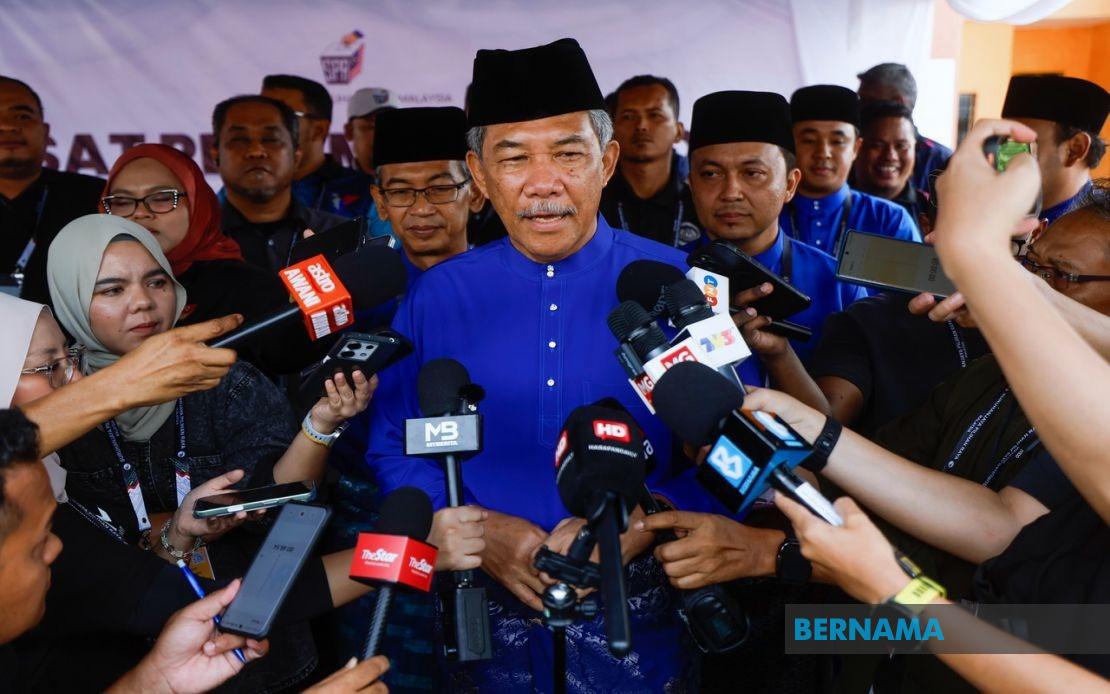
Barisan Nasional's deputy chairman Datuk Seri Mohamad Hasan has issued a firm directive to party campaigners in Negeri Sembilan, urging them to refrain from making the state's traditional customs and adat institutions central to their election messaging. Speaking after nomination proceedings at Dewan Seri Rembau on July 18, Mohamad, who simultaneously serves as UMNO deputy president, stressed that protecting these cultural institutions from political entanglement remains essential to maintaining social harmony as the state approaches its 16th general election.
The warning reflects growing sensitivity around how entrenched adat matters have become in Malaysian electoral discourse, particularly in states where customary practices carry significant weight in community identity and governance. Negeri Sembilan's adat system, which encompasses traditional rulership, land rights, and ceremonial practices, has historically been a source of both pride and occasional friction within state politics. By explicitly cautioning against dragging these issues into campaign narratives, Mohamad appears to be signalling that BN recognises the volatile nature of culturally sensitive topics when filtered through competitive party politics.
Mohamad elaborated that the Negeri Sembilan adat institution deserves unconditional respect and ought to remain separated from partisan political activities. He articulated concern that blending customary matters with electoral competition would inevitably generate unnecessary tensions within communities and complicate the political landscape unnecessarily. The deputy chairman's language—specifically his assertion that there is no legitimate need to weaponise adat traditions as campaign material—suggests previous incidents or concerns about competitors potentially exploiting these issues for electoral advantage.
This directive carries particular weight given Mohamad's position within BN's hierarchy and UMNO's traditional role as custodian of Malay-Muslim interests in Malaysia. His explicit reminder to party machinery indicates that BN leadership has identified this as a potential vulnerability within its own ranks, where grassroots campaigners might be tempted to mobilise adat grievances or concerns to energise voters. The timing of such guidance immediately after nomination proceedings suggests these concerns had recently surfaced or required proactive mitigation.
Regarding coalition dynamics, Mohamad confirmed that BN maintains an active electoral understanding with Perikatan Nasional, though he carefully distinguished this arrangement from a formal coalition partnership. The two blocs plan to coordinate their campaign strategies across all 36 state seats, concentrating their respective strengths in constituencies where each coalition contests, thereby maximising combined electoral impact without direct competition. Mohamad expressed optimism that Negeri Sembilan would exemplify successful cooperation between the coalitions, contrasting this collaborative approach with the more formal merger seen during Johor's recent electoral engagement.
The distinction Mohamad drew between an electoral understanding and a formal coalition holds strategic implications. Such arrangements allow parties to maintain organisational independence and ideological flexibility while still deriving practical benefits from vote-splitting reduction and coordinated messaging. For Negeri Sembilan voters, this means both BN and PN essentially function as allied forces in the election, though neither surrenders autonomy or merges its party machinery. This structure requires sophisticated coordination to avoid the very constituency-level conflicts that would undermine the entire understanding.
The backdrop to these electoral developments includes the dissolution of the Negeri Sembilan Legislative Assembly on June 5, following political shifts that necessitated fresh elections. The Election Commission subsequently scheduled early voting for July 28 and general polling for August 1, establishing a relatively compressed campaign period during which parties must synthesise their messaging and mobilise voter support. This abbreviated timeline arguably makes Mohamad's guidance even more significant, as it prevents protracted discussions about adat-related grievances that might otherwise gain traction during extended campaigns.
For Malaysian observers tracking electoral trends, Mohamad's intervention highlights how major coalitions increasingly recognise that culturally divisive campaign tactics, even when potentially effective at mobilising specific voter segments, carry systemic risks to political stability and social cohesion. The emergence of such guidance from senior BN figures suggests institutional learning about the long-term costs of exploiting sensitive communal issues for short-term electoral gains. This reflects a maturation in how competitive politics engages with identity and tradition in Southeast Asian contexts.
The implications for Negeri Sembilan's electorate are twofold. First, voters may expect relatively issue-focused campaigns centred on economic development, service delivery, and governance performance rather than campaigns centred on defending or critiquing customary institutions. Second, the BN-PN understanding potentially narrows the competitive space, as both major coalitions tacitly agree to moderate certain lines of attack that might otherwise characterise their respective platforms. This collaboration, while potentially benefiting both blocs at the national level, could ultimately reduce electoral choice and policy diversity available to Negeri Sembilan voters in this cycle.
Mohamad's statement ultimately represents a calculated political gambit: demonstrating that BN possesses institutional discipline and cultural sensitivity, while simultaneously constraining potential opposition attacks that might otherwise weaponise adat concerns. Whether this approach succeeds depends partly on whether competing parties, particularly those outside the BN-PN understanding, respect such informal boundaries or exploit them as campaign opportunities. The coming weeks will test whether this emphasis on keeping adat matters depoliticised gains traction across Negeri Sembilan's political ecosystem.

