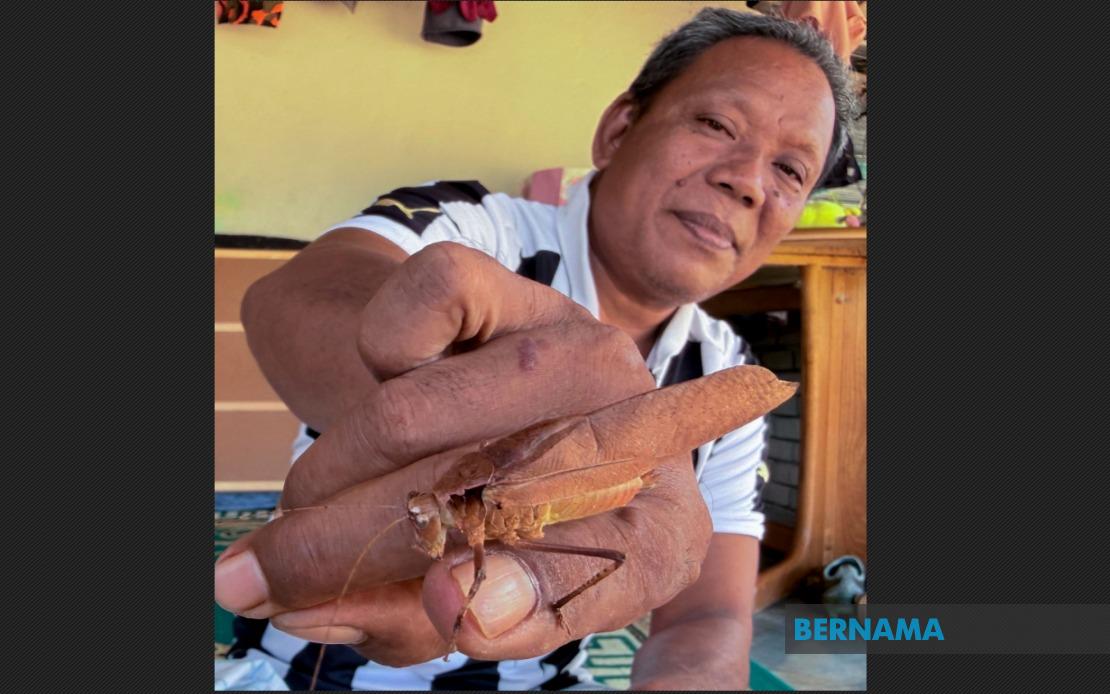
In Tanah Merah, Kelantan, a centuries-old tradition is witnessing an unexpected renaissance as young Malaysians increasingly abandon their screens to participate in belalang kerek—the sport of cricket fighting. This grassroots movement represents a fascinating countertrend in an era of pervasive digital consumption, where rural communities are finding renewed value in activities their ancestors perfected long before smartphones and social media existed.
The revival of this traditional pastime reflects broader shifts in how young people, particularly in Malaysia's heartland states, are reassessing their leisure pursuits. What was once dismissed as old-fashioned entertainment has become an appealing alternative for those seeking authentic experiences and genuine human connection. The phenomenon is not merely nostalgic; participants describe it as a genuine escape from the relentless pace of modern life, where screens dominate social interactions and outdoor pursuits have become increasingly rare among younger demographics.
Muhammad Sayuti Mat, a 53-year-old seasoned competitor from Kampung Manal 3, identifies the primary catalyst for this resurgence as the sport's remarkable affordability and minimal maintenance requirements. Unlike modern hobbies that demand continuous financial investment in new equipment or digital subscriptions, cricket fighting demands only modest initial expenditure and basic care. This economic accessibility proves particularly significant in rural areas where disposable income remains limited, making the sport genuinely inclusive across income levels. Young participants can engage fully without financial barriers that typically exclude them from other pastimes.
The mechanics of the sport itself hold considerable appeal to contemporary practitioners. Hunting expeditions typically occur during nighttime hours, when these insects become far more vocally active. The experience requires patience, acute auditory perception, and intimate knowledge of local ecosystems—skills that stand in sharp contrast to screen-based entertainment. Participants must develop environmental awareness, learning where grasshoppers nest within agricultural fields and dense vegetation, particularly among fan palms characteristic of Kelantan's landscape. This knowledge base, accumulated through observation and community mentorship, connects younger hunters to their regional heritage and ecological understanding.
The nocturnal hunting expeditions themselves generate considerable excitement and community bonding. Participants describe the thrill of hearing a grasshopper's distinctive call, a sound that becomes markedly louder and sharper after sunset. For many young people accustomed to solitary gaming experiences, the shared anticipation of a successful hunt and the collective atmosphere of cricket-fighting competitions provide genuine social engagement. The emotional investment in outcomes—even without monetary prizes—creates meaningful experiences that transcend purely commercial motivation, a quality increasingly rare in contemporary entertainment.
Rihduan, another enthusiast quoted in early accounts of this phenomenon, articulates how the sport functions as psychological relief from contemporary pressures. The combination of outdoor activity, sensory engagement, and competitive participation offers genuine respite from daily institutional routines—whether school, work, or family obligations. This escape function proves particularly valuable for young people navigating transitional life stages, providing healthy outdoor engagement rather than default digital alternatives.
Economic accessibility emerges as perhaps the most significant factor driving widespread youth participation. Tournament entry fees starting as low as RM3 per grasshopper create practically zero financial barriers to competitive engagement. This pricing structure contrasts sharply with modern sporting alternatives, esports tournaments, or hobby pursuits that typically demand substantial upfront investments. The straightforward dietary requirements for maintaining healthy competition insects add minimal ongoing costs, making sustained participation feasible across socioeconomic strata.
The 23-year-old participant Aidil Md Noor represents the demographic at the center of this revival—young adults who came of age during Malaysia's digital expansion but now deliberately choose alternative pursuits. His observations about tournament affordability and basic care requirements underscore how the sport's fundamental economics attract participants seeking authentic value rather than consumption for consumption's sake. This represents a conscious rejection of materialistic recreation frameworks in favor of engagement rooted in tradition and community participation.
The cultural implications of this revival extend beyond individual leisure choices. In Kelantan specifically, where cultural preservation and traditional knowledge systems remain socially valued, the belalang kerek resurgence signals that younger generations retain capacity and interest in intergenerational knowledge transfer. Experienced practitioners like Muhammad Sayuti become active knowledge-holders and mentors, creating genuine continuity between elderly enthusiasts and youth participants. This contrasts with urban patterns where traditional knowledge often atrophies as younger cohorts migrate or adopt entirely external cultural reference points.
The broader Southeast Asian context matters considerably for understanding this phenomenon. Throughout the region, rural youth migration and digital displacement of traditional activities represent significant cultural trends. Kelantan's cricket-fighting revival thus illustrates possibilities for cultural preservation that depend neither on institutionalization nor commercial commodification, but rather on activities that retain intrinsic value and accessibility to young people. The movement demonstrates that tradition can remain vibrant when it adapts to contemporary needs rather than positioning itself as deliberately antiquated.
From a developmental perspective, belalang kerek participation offers measurable benefits often overlooked in digital-dominant environments. Night hunting develops environmental literacy, patience, and observational skills. Competitive cricket-fighting requires strategic thinking about insect conditioning and matching. Community tournaments foster social bonds and identity formation. These outcomes align with contemporary research on youth development, which increasingly questions whether screen-based activities adequately satisfy human developmental needs for mastery, social connection, and embodied experience.
Looking forward, the trajectory of this revival remains genuinely uncertain. Whether this represents sustained cultural renewal or a temporary fashion among a niche cohort depends substantially on how community leadership, family structures, and peer networks continue fostering participation. The movement's organic, grassroots character—emerging from communities rather than institutional promotion—suggests genuine depth. However, sustained revival will require explicit intergenerational mentorship frameworks and cultural narratives that position belalang kerek as legitimate contemporary practice rather than nostalgic exception.
The Kelantan cricket-fighting revival ultimately raises significant questions about youth agency and cultural consumption in contemporary Malaysia. Young people are demonstrating capacity to critically evaluate modern entertainment paradigms and deliberately choose alternatives rooted in place, community, and tradition. Whether this represents isolated enthusiasm or signals broader recalibration toward more embodied, locally-rooted recreation remains to be seen, but the movement's existence itself suggests that technological dominance of youth leisure may face more determined resistance than commonly assumed.
%22%2F%3E%3C%2Fpattern%3E%3C%2Fdefs%3E%3Crect%20width%3D%22100%25%22%20height%3D%22100%25%22%20fill%3D%22url(%23ph5hrpog)%22%2F%3E%3Crect%20width%3D%22100%25%22%20height%3D%22100%25%22%20fill%3D%22url(%23ph5hrpop)%22%2F%3E%3Ctext%20x%3D%2250%25%22%20y%3D%2250%25%22%20text-anchor%3D%22middle%22%20dominant-baseline%3D%22central%22%20fill%3D%22rgba(255%2C255%2C255%2C0.95)%22%20font-family%3D%22Georgia%2C%20'Times%20New%20Roman'%2C%20serif%22%20font-weight%3D%22700%22%20font-size%3D%22320%22%20letter-spacing%3D%22-0.02em%22%3EMuda%3C%2Ftext%3E%3C%2Fsvg%3E)
%22%2F%3E%3C%2Fpattern%3E%3C%2Fdefs%3E%3Crect%20width%3D%22100%25%22%20height%3D%22100%25%22%20fill%3D%22url(%23ph5936eg)%22%2F%3E%3Crect%20width%3D%22100%25%22%20height%3D%22100%25%22%20fill%3D%22url(%23ph5936ep)%22%2F%3E%3Ctext%20x%3D%2250%25%22%20y%3D%2250%25%22%20text-anchor%3D%22middle%22%20dominant-baseline%3D%22central%22%20fill%3D%22rgba(255%2C255%2C255%2C0.95)%22%20font-family%3D%22Georgia%2C%20'Times%20New%20Roman'%2C%20serif%22%20font-weight%3D%22700%22%20font-size%3D%22272%22%20letter-spacing%3D%22-0.02em%22%3EHeavy%3C%2Ftext%3E%3C%2Fsvg%3E)