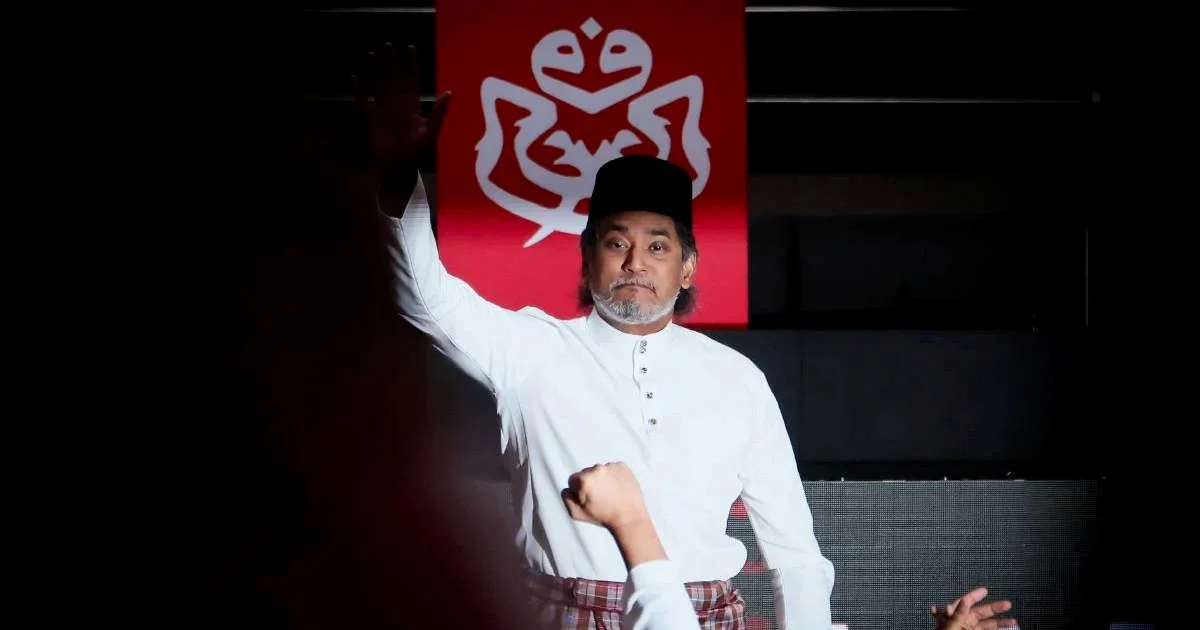
Former Rembau member of parliament Khairy Jamaluddin has chosen to let the Umno leadership determine whether he will contest in the Negri Sembilan election scheduled for August 1, effectively stepping back from publicly articulating his own political ambitions in the state contest.
The move represents a calculated approach by the seasoned politician, who has previously held significant positions within the party apparatus. By deferring to the organisational hierarchy rather than making an independent declaration, Khairy appears intent on positioning himself as a team player willing to accept party direction, a stance that carries particular weight in Umno's traditionally structured cadre system where central authority remains paramount.
Negri Sembilan's upcoming electoral battle holds strategic significance for Umno and the broader Barisan Nasional coalition. The state remains a critical battleground in Peninsular Malaysian politics, and candidate selection processes there typically involve intricate calculations regarding factional balance, grassroots support networks, and perceived electability in different constituencies. Khairy's previous tenure representing Rembau demonstrated his capacity to retain parliamentary representation, and any involvement in Negri Sembilan would signal Umno's confidence in deploying established political figures to consolidate state-level influence.
The timing of Khairy's decision to defer comes amid broader discussions within Umno about candidate nomination strategies for various elections across the country. Party leadership has increasingly emphasised unity and disciplined decision-making through formal channels rather than allowing individual members to unilaterally announce their candidacies. This institutional preference underscores the party's attempt to maintain control over the nomination narrative and prevent premature public commitment that might complicate internal political negotiations.
For Malaysian political observers, Khairy's willingness to step back and allow the leadership to make the final determination suggests confidence in his standing within the party hierarchy. Senior figures who question their position or suspect they may face rejection typically take more proactive approaches to securing nominations or exploring alternative platforms. Conversely, politicians comfortable with their internal status can afford to appear deferential, trusting that decision-makers will ultimately favour their interests.
The August 1 election date itself carries implications extending beyond Negri Sembilan's borders. State-level contests in Malaysia frequently serve as electoral testing grounds for national-level policies and campaign messaging, allowing major coalitions to gauge voter sentiment on key issues before larger federal contests. Umno's performance in Negri Sembilan will therefore receive careful scrutiny from coalition partners and political analysts assessing the government's electoral viability and campaign effectiveness across diverse demographic and geographic constituencies.
Khairy's background as a former minister and senior party figure who has navigated various political transitions within Umno positions him as someone with intricate knowledge of party machinery and factional dynamics. His previous experience across different electoral contests and organisational roles means he understands the mechanics of candidate selection and the political calculus involved in fielding particular individuals in specific constituencies. This experience likely informs his current approach of allowing formal processes to unfold without external pressure.
The broader context of Malaysia's political landscape also matters here. Recent years have witnessed significant shifts in electoral competitiveness, coalition configurations, and voter behaviour across states. Negri Sembilan, like other state governments, faces the challenge of delivering on developmental promises while managing competing interests within the ruling coalition. Candidate selection becomes therefore not merely a procedural matter but a substantive question about which individuals can effectively advance party and coalition interests in an increasingly competitive environment.
Umno's deliberation process regarding candidates for the August 1 election will likely consider multiple factors beyond individual ambition or seniority. The party must assess geographic representation, demographic appeal, ground-level organisational capacity, and strategic positioning relative to opposition movements. Khairy's consent to let the leadership decide suggests he recognises these broader considerations and accepts that party interests might legitimately supersede individual electoral preferences.
For stakeholders following Malaysian politics, this development underscores the enduring importance of hierarchical party structures in determining electoral outcomes. While Malaysian democracy provides mechanisms for intra-party contestation and individual political expression, senior figures within established coalitions like Umno often operate within frameworks that privilege organisational discipline and leadership direction. Khairy's approach exemplifies this dynamic, reflecting calculations about reputation, future opportunities, and the instrumental value of demonstrating loyalty to party structures.

