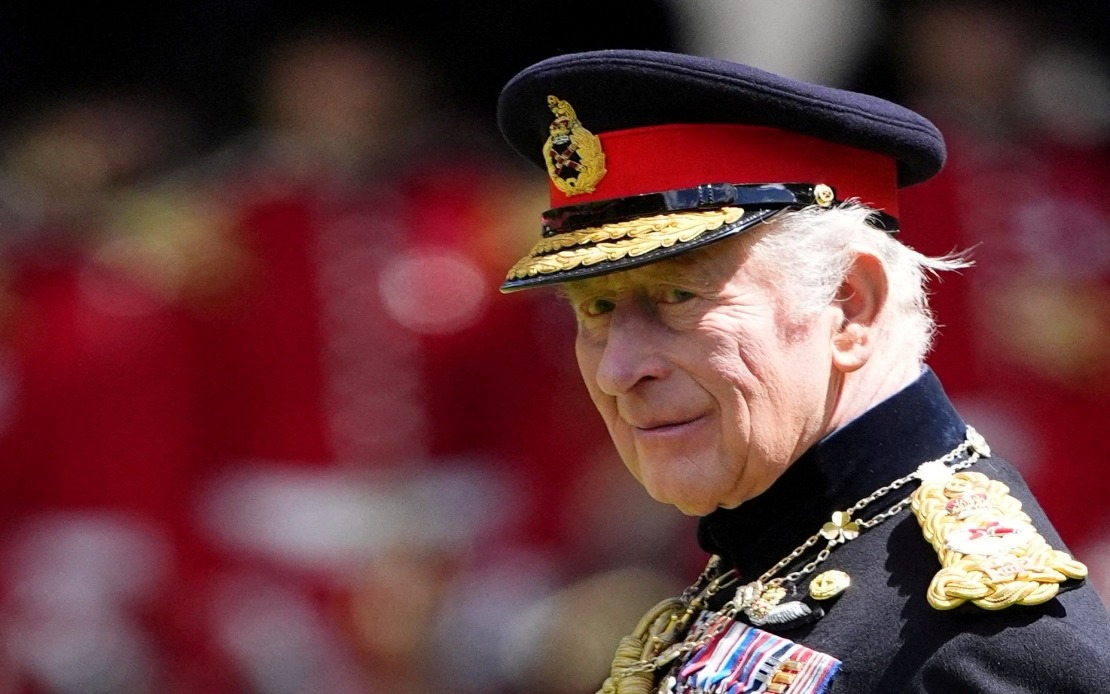
In a watershed moment for British royal governance, King Charles III has become the first reigning monarch to publicly disclose his personal income tax payment, with Buckingham Palace announcing on Thursday that he contributed £12.9 million to the Treasury during the 2024-2025 tax year. This landmark decision represents a departure from centuries of royal financial secrecy and underscores a modernisation drive within the institution to align with contemporary expectations of government and institutional accountability.
The disclosure, valued at approximately US$17 million, marks the first occasion in British history that a sitting monarch has voluntarily published such detailed personal tax information. While the royal household has previously released broad financial summaries, the specific naming of the sovereign's individual tax liability constitutes an unprecedented level of personal financial revelation from the throne. The move signals a deliberate pivot toward what palace officials characterise as enhanced transparency, designed to strengthen public understanding of how the monarchy funds its operations and personal affairs.
The king's tax obligation for the preceding year was lower, with palace records showing he paid £11.7 million during the 2023-2024 tax year. Combined, his personal tax contributions since ascending to the throne in September 2022 have surpassed £30 million. These sums derive from his personal income streams, including earnings from his personal investment portfolio and revenue generated by the privately held Balmoral and Sandringham estates, both of which remain his personal property rather than assets of the state.
It bears noting that King Charles, like all British monarchs, operates under a unique legal exemption whereby he is not formally obligated to pay income tax, capital gains tax, or inheritance tax. This exemption stems from the ancient principle that the sovereign cannot be compelled by law to pay taxes to itself. However, since the 1990s, the reigning monarch has voluntarily entered into an arrangement with HM Revenue and Customs to pay income tax and capital gains tax on the same basis as ordinary taxpayers, a convention King Charles has enthusiastically maintained and now publicly documented.
The present king initiated this transparency trajectory while holding the title of Prince of Wales, when he began releasing information regarding his personal tax contributions. That practice demonstrated his long-standing commitment to financial openness, a principle he has extended further now that he occupies the throne. By publishing these figures alongside his accession to supreme office, he has essentially elevated the standard of disclosure from what might have been a princely prerogative to a constitutional expectation for the monarch.
Buckingham Palace released these financial details as part of a broader Royal Household statement on royal finances, which incorporated a newly published document designed to clarify the various revenue streams that support the monarchy. This multi-layered disclosure strategy reflects a concerted institutional effort to demystify royal finances and position them within a framework of rational, structured governance rather than opaque privilege. The timing and comprehensive nature of the announcement suggest deliberate messaging intended to counter perceptions of royal financial unaccountability.
James Chalmers, the keeper of the Privy Purse, the official responsible for managing the monarch's personal finances, provided context for the disclosure. Chalmers stated that while royal finances can appear labyrinthine to external observers, the fundamental architecture remains transparent, lawful, and purposefully refined across generations to equip the sovereign with the financial independence necessary to execute constitutional duties while maintaining accountability to the nation and its interests. His framing emphasises that transparency and independence are complementary rather than contradictory objectives.
For Malaysian and Southeast Asian observers, this development offers perspective on how established monarchies navigate evolving public expectations regarding financial accountability. While Malaysia's own constitutional monarchy operates within a distinct legal and cultural framework, the British precedent demonstrates how institutions traditionally shrouded in deference can adapt disclosure practices to reinforce rather than diminish public confidence. The principle that transparency strengthens legitimacy rather than undermining it represents a significant philosophical stance from one of the world's most venerable royal houses.
The broader significance of this disclosure extends beyond mere figures. It reflects a generational shift in how public institutions—including hereditary ones—justify their continued existence and resource allocation. In an era of heightened scrutiny of privilege and institutional spending, King Charles's willingness to quantify his personal tax contributions serves a symbolic function: demonstrating that even those exempt from legal obligation can choose to abide by it. This voluntary compliance positions the monarchy within a narrative of responsible stewardship rather than unearned entitlement.
The disclosure also illuminates the distinction between crown finances and personal royal finances. While the monarchy receives substantial public funding through the Sovereign Grant and other mechanisms, the king's personal wealth and the income it generates remain segregated from state resources. This compartmentalisation is crucial for understanding that his £12.9 million tax payment reflects personal obligations on privately derived income, not Treasury reimbursement or taxpayer subsidies of royal extravagance. The clarity this distinction provides likely constitutes much of the transparency initiative's real value.
Looking forward, this precedent may establish expectations that subsequent British monarchs continue this disclosure practice, effectively institutionalising a transparency standard that would have been unthinkable a generation ago. Should the practice become entrenched, it could gradually reshape public perception of how inherited institutions balance tradition with accountability. For younger generations in Britain and across Commonwealth realms including Malaysia, visible financial probity from leadership—whether corporate, governmental, or royal—increasingly influences institutional legitimacy.

