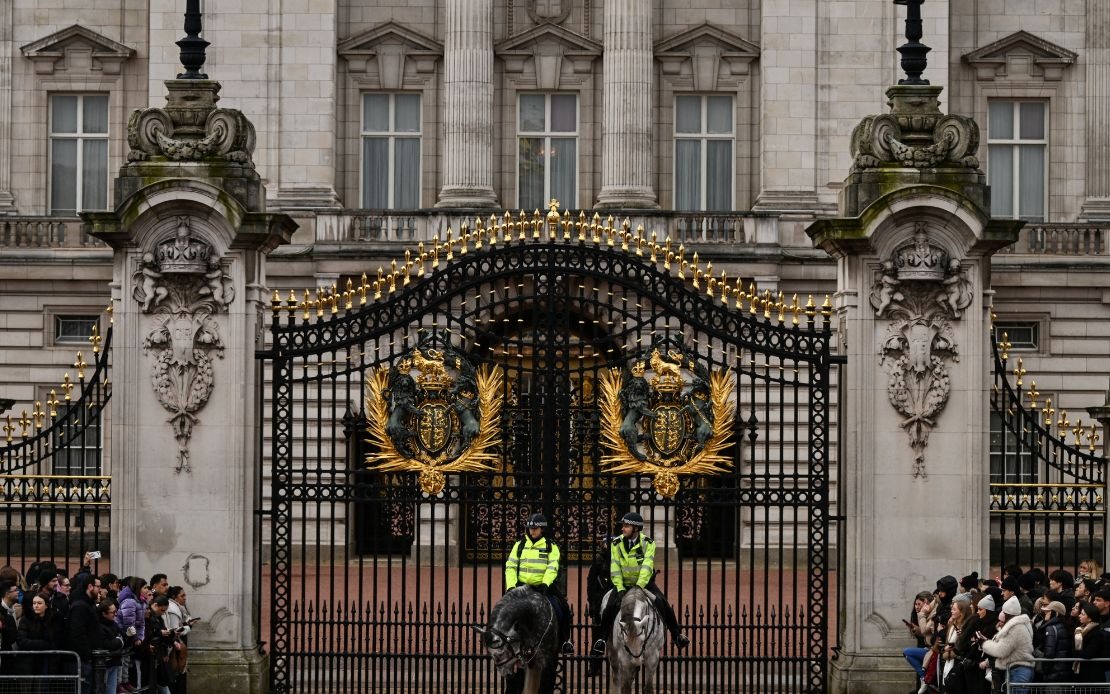
Britain's King Charles III and Queen Camilla have confirmed they will retain Buckingham Palace as the ceremonial and administrative epicentre of the monarchy following the completion of its extensive restoration programme, the Royal Household announced on Thursday. However, the palace will function exclusively as an official venue for state occasions, receptions and public events rather than serving as the royal couple's personal residence.
The decision, outlined in the Royal Household's latest statement on royal finances, underscores a significant shift in how the British monarchy utilises its historic properties. Buckingham Palace, which has served as the principal London seat of the reigning monarch since 1837, will be reimagined primarily as a working palace and accessible heritage destination for the British public and international visitors, rather than a royal home.
The refurbishment initiative, formally known as the Buckingham Palace Reservicing Programme, represents one of the most ambitious restoration undertakings in the palace's modern history. Now approaching completion after nine years of intensive work, the project aims to address long-standing structural issues, modernise essential systems and utilities, and ensure the 775-room neoclassical building remains fit for purpose in the twenty-first century. The Royal Household's vision positions Buckingham Palace as "the ceremonial centre of royal life" and "the principal workplace of the Royal Household," simultaneously functioning as a significant national heritage asset available to the public.
During the 2025-2026 financial year, the magnitude of the palace's official role became evident through patronage figures. Nearly 97,000 guests attended 827 ceremonial and official events hosted across royal palaces, demonstrating the substantial public engagement and diplomatic activities centred on the monarchy. This intensive schedule of state functions, garden parties, investiture ceremonies and diplomatic receptions underscores why maintaining a dedicated ceremonial venue remains essential to the functioning of the British constitutional system.
The financial commitment to preserving Buckingham Palace reflects the broader investment in royal infrastructure. The Sovereign Grant, the public funding mechanism that supports the monarch's official duties and maintains occupied royal residences, increased to £132.1 million for the 2025-2026 financial year. Of this total allocation, £67.5 million was directed specifically toward the preservation and protection of occupied royal palaces, with a substantial portion supporting the ongoing Buckingham Palace restoration work and maintenance of other significant royal properties.
For Malaysian and Southeast Asian observers, the deliberate separation between ceremonial and private royal functions carries particular relevance. Commonwealth nations, including Malaysia, maintain ceremonial and diplomatic relationships with the British Crown that often involve formal state functions and official receptions. The enhanced accessibility and operational focus of Buckingham Palace as a national heritage site may influence how Commonwealth nations approach royal visits and diplomatic engagements, potentially creating new opportunities for public interaction with the monarchy during official occasions.
The restoration programme's extended timeline reflects the complexity of maintaining a working palace while preserving its historical integrity. Contemporary building codes, environmental standards and modern accessibility requirements necessitate careful integration with the original nineteenth-century architecture and design. The phased approach has allowed the palace to remain operational for essential state functions throughout the renovation, a pragmatic solution that acknowledges the palace's ongoing role in constitutional governance.
The royal couple's decision not to occupy Buckingham Palace as a private residence aligns with contemporary trends among European monarchies regarding the personalisation and functionality of official residences. By designating the palace exclusively for ceremonial purposes, King Charles III has chosen to prioritise its public and symbolic dimensions over domestic comfort, a distinction that reinforces the distinction between the institution of the monarchy and the private lives of individual royal family members.
The emphasis on expanded public access carries implications for cultural tourism and heritage conservation across the United Kingdom. Buckingham Palace ranks among the world's most iconic royal buildings, and increased public access during non-ceremonial periods could enhance visitor experiences, generate valuable revenue for maintenance and restoration, and strengthen public understanding of British constitutional traditions and royal pageantry.
The completion of the Buckingham Palace Reservicing Programme will mark a pivotal moment in the modern history of the British monarchy, signifying the successful integration of historical preservation with contemporary functional demands. As one of the Commonwealth's most symbolically significant buildings, the palace's transformation into a fully restored, more publicly accessible ceremonial centre will continue to serve as a focal point for royal tradition, constitutional governance and diplomatic engagement throughout the twenty-first century.

