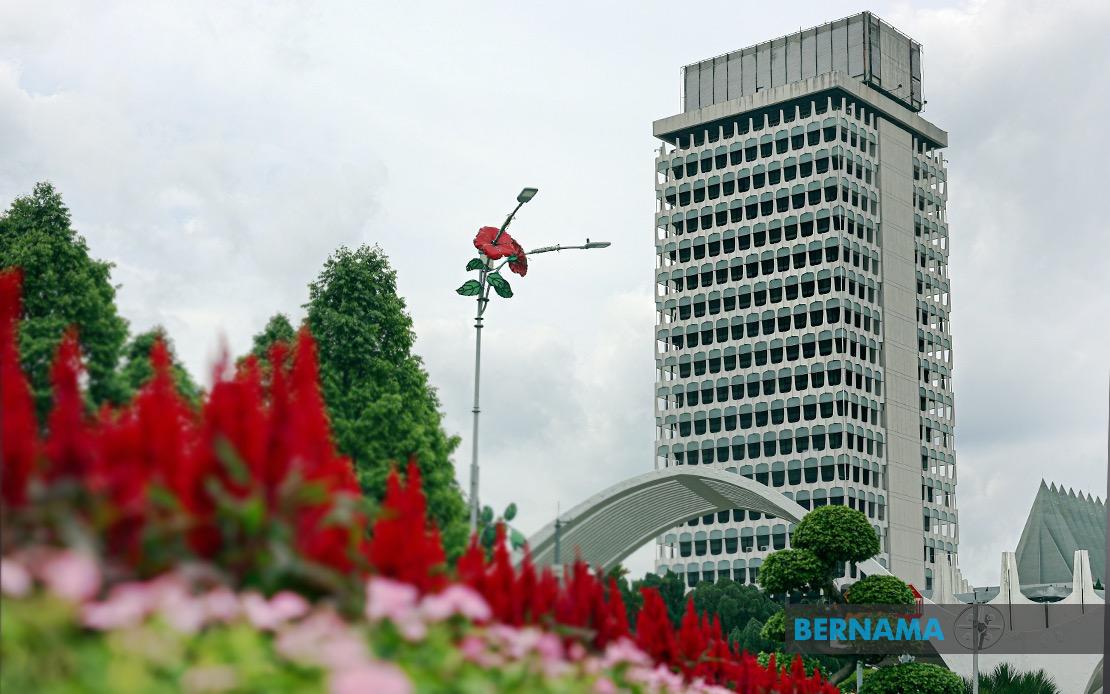
His Majesty Sultan Ibrahim, King of Malaysia, has granted royal assent to eight bills that progressed through Parliament during the opening months of 2025, marking another significant step in the legislative calendar following the First Meeting of the Fifth Session of the 15th Parliament between January 19 and March 3. Dewan Rakyat Speaker Tan Sri Johari Abdul made the announcement before question time in the lower house, formally completing the enactment process for legislation that affects multiple sectors ranging from trade and immigration to transport infrastructure.
Among the measures receiving royal approval is the Government Procurement Act 2025, which establishes the legal framework governing how Malaysian federal and state authorities conduct their purchasing activities. This legislation carries considerable weight for businesses and vendors across the nation, as government procurement represents a substantial portion of economic activity and affects contract opportunities worth billions of ringgit annually. The new act modernises purchasing standards and is expected to enhance transparency and efficiency in how public institutions acquire goods and services.
The immigration and passport legislation enacted represents a deliberate modernisation of Malaysia's border management systems. The Immigration (Amendment) Act 2025 and Passports (Amendment) Act 2025 together refine procedures affecting millions of citizens and foreign visitors annually. These amendments reflect evolving security priorities and administrative needs as Malaysia navigates complex regional migration patterns and seeks to maintain robust controls while facilitating legitimate travel. The measures are particularly relevant for a country that serves as both a transit point and destination within Southeast Asia's increasingly mobile populations.
The International Settlement Agreements Resulting from Mediation Act 2025 establishes a legal framework for enforcing settlement agreements achieved through mediation processes. This legislation streamlines dispute resolution mechanisms and reduces dependence on protracted litigation, offering businesses and individuals faster pathways to finalise commercial and civil disputes. For Malaysia's commercial sector and foreign investors, such provisions enhance legal certainty and provide alternative routes to resolve disagreements outside traditional court systems.
The Johor Bahru-Singapore Rapid Transit System (RTS) Link Act 2026 carries particular significance for this nation's regional integration and urban development strategy. This legislation legalises the framework for the much-anticipated rapid transit connection between Malaysia's southern industrial hub and Singapore's transport network. The project represents one of the most concrete expressions of Malaysia-Singapore infrastructure cooperation and will fundamentally alter commuting patterns, business operations, and investment flows across the Johor Strait. For workers, traders, and businesses operating in both territories, the RTS Link promises to reduce journey times dramatically and deepen economic interdependence between the two nations.
The Capitation Grant Act 2026 addresses education financing mechanisms, potentially affecting how schools receive operational funding from the federal government. This legislation may reshape the distribution of educational resources and could influence school management practices across the nation. The framework established under this act will determine how institutions plan budgets and allocate resources for teaching, facilities, and student support services.
The Environmental Quality (Amendment) Act 2026 reflects Malaysia's ongoing efforts to strengthen environmental protection standards and enforcement mechanisms. As Southeast Asia confronts challenges ranging from air quality and water pollution to biodiversity conservation, this amendment positions Malaysia to address evolving environmental threats through updated legal instruments. The measure signals the government's commitment to environmental stewardship alongside economic development, a balance that remains contentious across the region.
The Supplementary Supply (2025) Act 2026 provides additional funding authorisation for government programmes and expenditures that exceeded original budget allocations during 2025. Such supplementary supply bills are routine fiscal instruments enabling governments to respond to unexpected costs or reallocate resources to emerging priorities. This particular measure reflects how actual spending patterns diverged from initial projections in the previous financial year.
Separately, Dewan Rakyat Speaker Johari informed Parliament that the Employment Insurance System (Amendment) Bill 2025 had successfully passed through the Dewan Negara following amendments to Clause 11. This legislation refines Malaysia's social safety net for workers, strengthening protections and potentially expanding coverage or benefits under the employment insurance scheme. The amendments suggest that upper house deliberations produced modifications addressing concerns raised during legislative scrutiny, demonstrating how the bicameral system facilitates refinement of measures before final enactment.
The collection of bills granted royal assent demonstrates Parliament's productivity during the opening session and reveals government priorities spanning infrastructure, fiscal management, immigration policy, environmental protection, education funding, and labour protections. Together, these measures will influence business operations, worker protections, educational institutions, environmental practices, and regional cooperation frameworks affecting Malaysian citizens and the broader Southeast Asian community for years ahead.
%22%2F%3E%3C%2Fpattern%3E%3C%2Fdefs%3E%3Crect%20width%3D%22100%25%22%20height%3D%22100%25%22%20fill%3D%22url(%23ph4qv3zg)%22%2F%3E%3Crect%20width%3D%22100%25%22%20height%3D%22100%25%22%20fill%3D%22url(%23ph4qv3zp)%22%2F%3E%3Ctext%20x%3D%2250%25%22%20y%3D%2250%25%22%20text-anchor%3D%22middle%22%20dominant-baseline%3D%22central%22%20fill%3D%22rgba(255%2C255%2C255%2C0.95)%22%20font-family%3D%22Georgia%2C%20'Times%20New%20Roman'%2C%20serif%22%20font-weight%3D%22700%22%20font-size%3D%22136%22%20letter-spacing%3D%22-0.02em%22%3EBangladesh%3C%2Ftext%3E%3C%2Fsvg%3E)
%22%2F%3E%3C%2Fpattern%3E%3C%2Fdefs%3E%3Crect%20width%3D%22100%25%22%20height%3D%22100%25%22%20fill%3D%22url(%23ph257zkg)%22%2F%3E%3Crect%20width%3D%22100%25%22%20height%3D%22100%25%22%20fill%3D%22url(%23ph257zkp)%22%2F%3E%3Ctext%20x%3D%2250%25%22%20y%3D%2250%25%22%20text-anchor%3D%22middle%22%20dominant-baseline%3D%22central%22%20fill%3D%22rgba(255%2C255%2C255%2C0.95)%22%20font-family%3D%22Georgia%2C%20'Times%20New%20Roman'%2C%20serif%22%20font-weight%3D%22700%22%20font-size%3D%22170%22%20letter-spacing%3D%22-0.02em%22%3EMalaysia%3C%2Ftext%3E%3C%2Fsvg%3E)