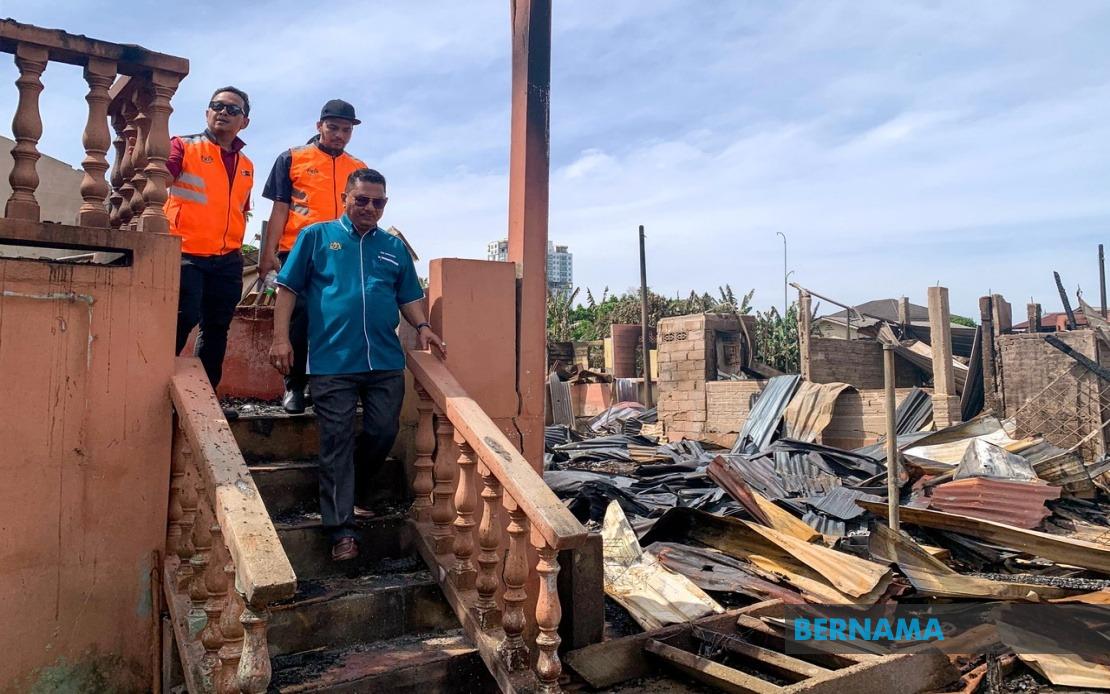
Investigators have determined that a deliberate act of paper-burning in a residential kitchen sparked the devastating fire that destroyed 27 houses in Kampung Gok Kapur near Kota Bharu on June 8. The Kelantan Fire and Rescue Department's forensic analysis concluded that the blaze originated when an open flame from a gas lighter was applied directly to a pile of papers inside the kitchen of one dwelling, setting off a chain reaction that eventually consumed multiple neighbouring structures.
Kelantan JBPM director Farhan Sufyan Borhan revealed that the department's Fire Investigation Forensic Unit had meticulously reconstructed the sequence of events through examination of physical evidence and witness statements. The findings painted a clear picture of how a seemingly contained indoor burning activity rapidly spiralled into one of the region's more significant residential fire incidents. The ignition of the paper pile immediately ignited nearby combustible materials within the kitchen space, allowing flames to spread throughout the initial structure before jumping to adjacent homes.
The investigation established that negligence was the primary factor in the incident. The person conducting the paper-burning activity failed to exercise adequate precaution or take appropriate safety measures before deliberately igniting the materials using an open flame source indoors. Such practices in close proximity to residential structures and surrounded by flammable household materials create conditions for rapid fire propagation, particularly in densely settled kampung environments where houses are typically built in close proximity to one another.
The implications of this finding carry significant weight for fire safety across Malaysian residential communities. Kampung settlements, which house a substantial portion of Malaysia's population, often feature traditional wooden or semi-permanent structures with limited fire-resistant design features. The speed at which the fire spread from one house to 26 others underscores how quickly disaster can unfold when preventive measures are absent and initial containment fails. The incident serves as a stark reminder that residential fire safety cannot be treated as a secondary concern in community planning and individual household practices.
The human toll of the incident extended far beyond material loss. A total of 110 villagers from the affected area were rendered homeless and forced to evacuate to an emergency shelter established at the nearby Mukim Banggol Mosque. While authorities expressed relief that no fatalities occurred, the displacement of over a hundred residents—many of whom likely lost most of their possessions—created severe hardship for the community. Recovery from such an event typically requires extended support through reconstruction assistance, temporary housing arrangements, and livelihood rehabilitation programmes.
Following the conclusion of its investigation, the Fire and Rescue Department indicated that the formal report would be transmitted to police and relevant authorities for potential further action. This handover suggests that depending on the severity of negligence identified and applicable legislation, the individual responsible may face legal consequences ranging from civil liability for property damage to criminal charges related to reckless endangerment or negligence causing loss of property. The institutional response indicates that such incidents, while sometimes treated as unfortunate accidents, carry legal weight and potential accountability for perpetrators.
Fire and Rescue Department officials seized the opportunity to issue a broader public safety advisory following the investigation's conclusion. They urged Malaysians to exercise extreme caution when using any open flame sources, particularly in residential settings where the proximity of combustible materials and other occupants amplifies risk exponentially. The department specifically cautioned against conducting any form of burning activities—whether for waste disposal, ceremonial purposes, or other reasons—inside homes or in areas immediately adjacent to residential structures where embers or uncontrolled flames could easily ignite neighbouring properties.
The incident highlights a critical gap in fire prevention education and awareness within Malaysian communities. While major cities benefit from professional fire safety campaigns and building code enforcement, rural and semi-rural settlements often lack adequate guidance on household fire prevention practices. Many residents in traditional kampung communities may not fully grasp how quickly indoor fires can escape containment, or they may lack awareness of safe alternatives to open-flame burning for waste disposal and other household activities. Targeted community education programmes addressing fire safety specific to settlement patterns and building types could prevent future tragedies.
The Kampung Gok Kapur fire also reflects broader challenges in fire safety enforcement and compliance monitoring in residential areas across Kelantan and other states. Preventing similar incidents requires not only investigating and holding individuals accountable after fires occur, but also proactively inspecting residential communities, identifying fire hazards, and ensuring that residents understand and follow basic fire safety protocols. Strengthened coordination between fire and rescue departments, local authorities, and community leaders could establish regular safety checks and educational initiatives that reduce the likelihood of preventable fires.
Looking forward, the incident underscores the importance of investing in fire prevention infrastructure in vulnerable communities. This might include improved access to firefighting equipment, establishment of community fire response teams, better evacuation routes and assembly points, and enhanced emergency communication systems. For residents themselves, maintaining clear spaces around homes, avoiding storage of highly flammable materials in living areas, and keeping fire extinguishers readily available represent practical steps toward greater household resilience against fire incidents.

