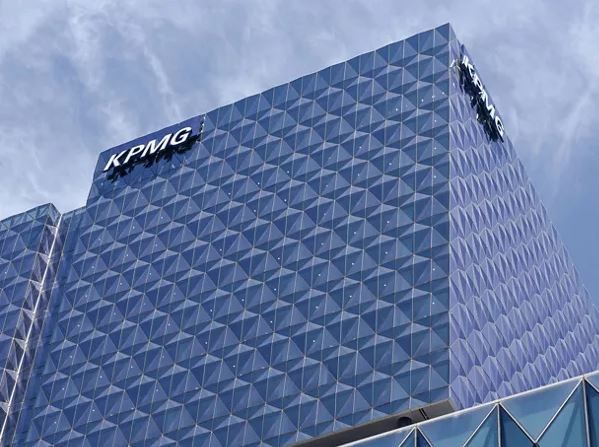
SYDNEY: KPMG Australia took another step in its attempt to rebuild institutional credibility on Thursday by naming Michael Ebeid as its first independent chairman, but the move immediately sparked fresh controversy over whether his deep involvement with the firm's recent troubles disqualifies him from overseeing its reform agenda.
The embattled accounting and consulting giant has been engulfed in scandal since March when Labor senator Deborah O'Neill publicly revealed that staff had improperly accessed confidential board papers from property developer Lendlease to bolster competitive bids for major audit contracts. The revelations triggered a cascade of executive departures, with the firm's previous chairman and two senior partners stepping down last week as part of a broader governance restructuring. Earlier in May, both the chief executive and head of audit had already resigned from their positions, underscoring the depth of institutional turmoil within one of Australia's most prominent professional services firms.
Ebeid, who previously led the government-funded broadcaster SBS, has pledged to make integrity and independent oversight his cornerstone priorities. In his statement accepting the role, he acknowledged the significant challenges facing KPMG but expressed confidence that the firm could emerge from its current predicament as a stronger, more trustworthy organisation. His stated mandate encompasses sweeping cultural and governance reforms, with particular emphasis on restoring the board's effectiveness and credibility. He also signalled that the firm would accelerate its search for a permanent chief executive, with board approval expected by the end of July.
However, the parliamentary committee investigating the scandal acted swiftly to undermine confidence in Ebeid's appointment by releasing internal email exchanges that reveal his pre-existing connections to the very matters he is now tasked with overseeing. The correspondence, which emerged after O'Neill went public with the whistleblower's allegations, shows Ebeid criticising the senator's parliamentary disclosures as both inappropriate and unfair. More problematically, he dismissed key aspects of the whistleblower's account as factually inaccurate, particularly regarding the timeline of events surrounding the breach of confidentiality.
Ebeid's previous involvement with KPMG itself complicates the narrative of fresh leadership and independent oversight. He was formally engaged as an independent adviser to KPMG's national board in 2024, and has served on the Asia-Pacific regional board since early 2025. This prior relationship meant he was already embedded within the firm's governance structures when the scandal broke publicly, placing him in a position where he had direct knowledge of management responses and internal discussions about the crisis. The parliamentary committee specifically highlighted that his email comments demonstrated sophisticated understanding of the allegations and the institution's handling of them—hardly the position of a true outsider arriving to impose independent scrutiny.
The extended reach of KPMG's institutional problems became apparent when Ebeid himself was summoned to testify before the parliamentary committee investigating the scandal. His appearance and subsequent testimony would have required him to discuss matters in which he had already taken positions internally, creating further questions about his capacity to approach remedial measures with genuine independence. The fact that he has already formed views critical of the whistleblower's credibility suggests he may be predisposed toward management perspectives rather than serving as an impartial guardian of the public interest.
Greens Senator Barbara Pocock, a member of the investigating committee, wasted no time in condemning the appointment as fundamentally compromised. She characterised Ebeid's elevation as chairman as a clear conflict of interest that fails to address KPMG's underlying cultural dysfunction. Her assessment, grounded in the documentary evidence the committee had gathered, suggested that the appointment actually signals the persistence of the very attitudes that enabled the scandal to occur. Pocock argued that Ebeid's appointment risks entrenching rather than dismantling the problematic dynamics that need transformation, describing his selection as a failure to meet even basic ethical standards for governance reform.
The KPMG situation reflects broader systemic vulnerabilities within Australia's Big Four accounting sector. The firm has now launched a fourth investigation into the initial whistleblower complaint, an acknowledgment that three earlier internal probes failed to uncover wrongdoing despite the severity of what was ultimately disclosed. This pattern of inadequate investigation and institutional defensiveness suggests structural problems with how these firms police their own conduct and respond to internal dissent. KPMG's admission that it mishandled the whistleblower's original complaint came only after O'Neill's parliamentary intervention forced transparency.
The timing of these developments assumes particular significance given that Australia's centre-left Labor government indicated one day before Ebeid's appointment that it is seriously contemplating a structural breakup of the Big Four accounting firms in response to cascading scandals. This regulatory threat suggests policymakers have lost confidence in the sector's capacity for self-remediation. KPMG's appointment of Ebeid, rather than signalling genuine institutional reform, may instead exemplify precisely the kind of insular, inadequate response that has prompted consideration of more drastic intervention.
For Malaysian observers, the KPMG Australia experience carries instructive lessons about governance resilience and the risks of appointing chairs with pre-existing institutional allegiances to positions ostensibly created to provide independent scrutiny. The case demonstrates how even prestigious international firms can struggle with integrity challenges, and how appointment of someone with deep connections to an organisation may undermine rather than strengthen the credibility of any reform effort. As KPMG continues attempting to rebuild trust, the Ebeid appointment appears likely to deepen rather than resolve questions about whether the firm is genuinely committed to transformative change or merely performing institutional repair to forestall more stringent regulatory action.

