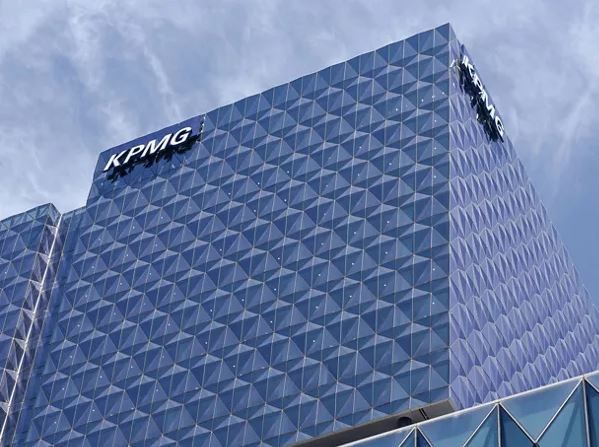
KPMG Australia announced on Monday that it has levied financial penalties totalling up to A$180,000 (approximately US$125,838) against seven staff members after completing an internal investigation into allegations of confidential information misuse. The disciplinary action marks a significant escalation in the firm's response to what has become one of Australia's most damaging professional services scandals, fundamentally shaking confidence in one of the country's "Big Four" accounting firms.
The sanctions imposed range from formal warnings and restricted career progression to reduced performance ratings and direct financial penalties. The staggered approach reflects the varying degrees of culpability among those involved, though the firm has maintained that all actions constituted serious breaches of professional standards. Two of the seven staff members opted to resign from KPMG before the penalties were formally handed down, suggesting they anticipated the severity of the consequences or chose to exit rather than face disciplinary procedures.
The investigation substantiated longstanding allegations that internal documents containing sensitive client information were "inappropriately shared" between individuals within the firm's audit division. A KPMG spokesperson characterised the confirmed misconduct as "unacceptable and inconsistent with our values, policies and obligations to protect client information," language indicating the firm recognises the fundamental breach of trust that audit clients must place in their service providers. This acknowledgment represents a stark reversal from earlier investigations by KPMG, which had failed to substantiate the allegations, raising questions about the rigour and independence of those initial reviews.
Three senior audit partners from the sanctioned group have already faced individual financial penalties specifically for misusing confidential board papers obtained from property development company Lendlease. These individuals occupied positions of significant seniority and responsibility within KPMG's audit practice, suggesting the scandal was not confined to junior staff but involved experienced professionals capable of understanding the ethical and legal implications of their actions. The targeting of senior partners underscores the gravity with which KPMG is treating the matter and signals that experience and status offered no protection from accountability.
The scandal burst into public view in March when whistleblower revelations emerged, alleging that KPMG staff had weaponised confidential client information obtained during audit engagements to secure additional lucrative contracts. The timing and selectivity of such misuse suggested a systematic practice rather than isolated misconduct, which accounts for the sustained attention from regulators and media. The allegations struck at the heart of audit independence—the cornerstone principle that requires firms to maintain strict separation between knowledge gained through auditing one client and commercial activities involving others.
Australia's corporate watchdog, the Australian Securities and Investments Commission (ASIC), continues its own formal investigation into three partners connected to the scandal. Two of these partners have already departed KPMG and were among those previously fined by the firm for the Lendlease board papers incident. ASIC has withheld the identity of the third partner under investigation, maintaining confidentiality while its inquiry proceeds. This parallel regulator investigation introduces potential additional consequences beyond KPMG's internal discipline, potentially including professional licence suspension or prohibition from certain roles in the financial services industry.
The scandal has extracted an exceptional toll on KPMG's leadership. The firm's Chief Executive Officer, the head of its audit division, and its chairman have all resigned as a result of the crisis. These departures at the highest levels signal how seriously both regulators and the firm's own board regard the breaches and their implications for organisational culture and governance. The turnover creates significant leadership continuity challenges and raises questions about succession planning and the depth of institutional knowledge about how such breaches occurred.
For Australian corporate clients, particularly those in regulated industries, the scandal has triggered acute concerns about whether their audit firms can adequately protect commercially sensitive information. Real estate and construction companies, financial institutions, and other sectors reliant on external audits have reassessed their relationships with KPMG and potentially reviewed their audit firm contracts. The reputational damage extends beyond Australia's borders, as KPMG operates globally and the scandal affects perceptions of the broader KPMG group.
The implications for the Southeast Asian region merit particular attention. Malaysia, Singapore, and other regional economies host KPMG operations and KPMG-audited companies. Investor confidence in the integrity of local audit processes may be affected, particularly for multinational corporations with operations across the Asia-Pacific region. The scandal reinforces the importance of robust internal compliance controls and independent oversight mechanisms within professional services firms operating across borders. Regional regulators may intensify scrutiny of their own local KPMG operations and demand enhanced assurances regarding information security protocols.
KPMG Australia's internal investigation findings also raise broader questions about audit firm governance and the adequacy of oversight mechanisms. The fact that initial investigations failed to substantiate concerns suggests potential weaknesses in investigative procedures or a conflict of interest inherent in firms investigating their own staff. This has prompted discussions among policymakers about whether stronger external supervision or independent investigation requirements might be warranted, not just in Australia but potentially across regulatory frameworks in the Asia-Pacific region.
The financial penalties and staff departures represent one phase of KPMG's reckoning with the scandal. The firm faces ongoing regulatory investigations, potential client defections, and a lengthy period of rebuilding trust with its market. The sanctions announced Monday demonstrate that KPMG intends to demonstrate accountability internally, but market confidence ultimately rests on whether structural and cultural changes occur within the organisation. The appointment of new leadership will be closely monitored for signals about whether genuine reform is underway or whether the scandal represents a temporary institutional upheaval that leaves underlying problems unaddressed.

