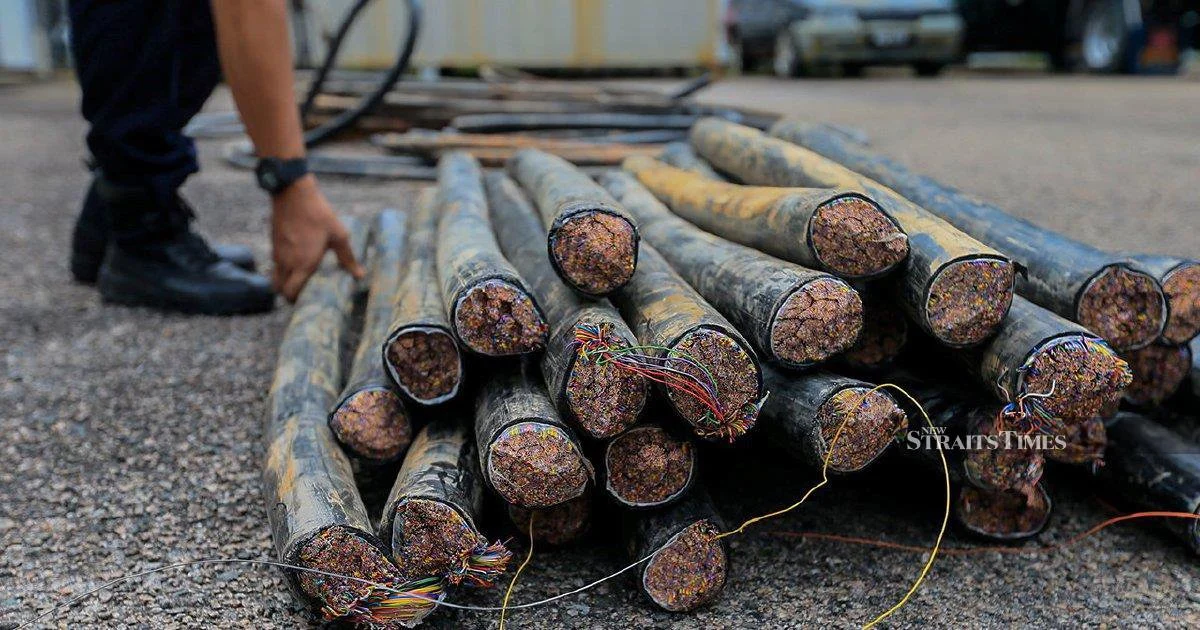
The Royal Malaysia Police have achieved a notable breakthrough in combating cable theft across Kuala Lumpur, recording only 71 reported cases during the first five months of 2025—a striking reduction from the 205 incidents documented throughout the entire previous year. This sharp downward trajectory represents a significant victory in a crime category that has long plagued the federal territory's infrastructure and caused substantial disruption to essential services.
The enforcement success reflects intensive police operations conducted across multiple precincts and industrial zones where thieves typically target copper cables from telecommunications towers, power distribution networks, and construction sites. Between January and May, authorities arrested 85 suspects linked to cable theft offences, demonstrating proactive intervention and increased street-level enforcement. The arrests span individuals across various demographics and backgrounds, suggesting the problem extends beyond organised syndicates to include opportunistic criminals and those facing economic hardship.
Cable theft represents a persistent challenge throughout Southeast Asia, with Malaysia experiencing particularly acute problems in urban centres where infrastructure density creates numerous vulnerable targets. The thieves extract copper wiring—valued for its recyclable metal content—from telecommunications installations, electrical grids, and commercial premises, then sell the materials to scrap dealers for quick cash. Beyond the immediate financial losses incurred by property owners, these crimes trigger cascading consequences: telecommunications disruptions affecting thousands of users, extended power outages compromising business operations, and safety hazards for maintenance workers forced to operate in compromised conditions.
The decline in Kuala Lumpur cases this year reflects a multi-pronged police strategy encompassing increased patrols in high-crime corridors, enhanced surveillance of known scrap metal dealers, and coordination with telecommunications and utility companies to implement protective measures around critical infrastructure. Officers have intensified their presence around telecommunications towers, electricity substations, and railway installations identified as frequent targets. Additionally, police have worked with private security firms and property owners to upgrade physical barriers and install alarm systems that deter opportunistic theft attempts.
For Malaysian business communities and residents, the improvement carries tangible benefits. Telecommunications operators have experienced fewer network disruptions caused by copper cable sabotage, translating to more reliable mobile and broadband services. Utility companies face reduced infrastructure damage requiring expensive repairs and replacement cycles. Construction companies undertaking major projects encounter fewer delays stemming from theft of on-site materials. The cumulative economic impact of preventing 134 fewer cases annually cannot be understated in a competitive commercial environment where service reliability directly influences investor confidence.
Police also credit the decline partly to enhanced cooperation with scrap metal recycling facilities and dealers, who now exercise greater diligence in verifying the legitimacy of copper material sources before purchasing. When scrap dealers become unwilling customers due to due diligence requirements, thieves lose the economic incentive driving the crime. This supply-chain approach addresses the fundamental motivation behind cable theft more effectively than enforcement alone, though both remain necessary components of comprehensive crime control strategy.
The sentencing of cable theft offenders has simultaneously become more stringent, with courts recognising the disruptive societal consequences extending beyond simple property loss. Judges increasingly impose custodial sentences rather than fines, deterring repeat offences and elevating the perceived risk among potential perpetrators. This judicial approach, when coupled with visible police enforcement, creates the environment necessary for sustained reduction in incident rates.
However, police acknowledge that vigilance remains essential to prevent regression toward the 2024 baseline. Cable theft rings frequently adapt their methods and shift to alternative targets when initial operations face increased enforcement pressure. Thieves may relocate to underpoliced industrial zones, rural telecommunications infrastructure, or newly developed areas where security protocols remain immature. Sustaining the current improvement requires maintaining the operational intensity achieved over recent months, a resource-intensive commitment that cannot slacken without risking resurgence.
For broader Southeast Asian crime prevention specialists, Kuala Lumpur's experience offers instructive lessons in tackling infrastructure-related theft. The combination of enforcement intensity, private-sector cooperation, supply-chain disruption of criminal profits, and judicial consistency has produced measurable results in a relatively short timeframe. Other regional cities facing similar challenges—Bangkok, Jakarta, Manila—may consider replicating this integrated approach rather than relying exclusively on any single intervention method.
Moving forward, police intend consolidating these gains while expanding community engagement initiatives that encourage residents and workers to report suspicious activity around cable infrastructure. Public awareness campaigns emphasizing the societal costs of infrastructure theft may also discourage marginal participants in the criminal supply chain. The transition from 205 cases to a 71-case pace represents progress worthy of recognition, though sustainable long-term success depends on the police force's ability to maintain operational momentum across an increasingly complex urban landscape.

