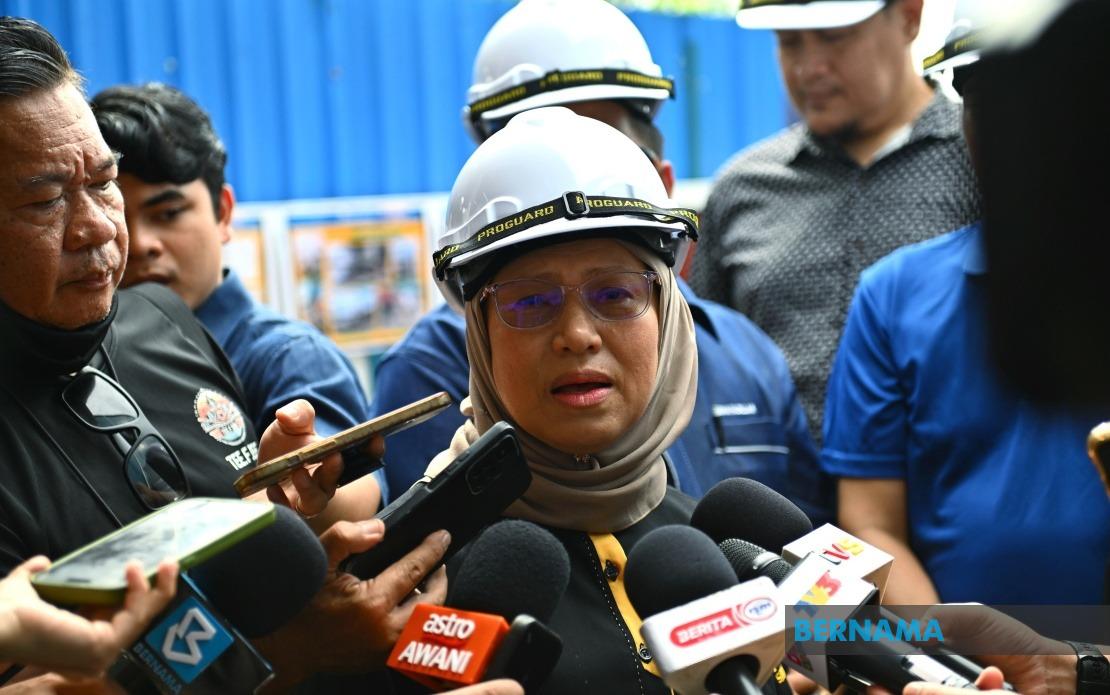
The Social Welfare Department has instructed a Langkawi kindergarten to temporarily cease operations as police investigations proceed into serious allegations of child neglect and improper treatment. The decision, announced by Women, Family and Community Development Minister Datuk Seri Nancy Shukri during a visit to Kuching, reflects the government's commitment to safeguarding young children under its jurisdiction. The directive follows a formal complaint lodged by a former kindergarten teacher, who detailed disturbing practices at the facility that have prompted a multi-agency response involving both law enforcement and child protection specialists.
While kindergartens typically fall under the purview of the Education Ministry, child welfare concerns trigger the involvement of the Social Welfare Department in a coordinated approach to protecting vulnerable children. The investigation is being conducted under Section 31(1) of the Child Act 2001, a legal framework designed to address cases where children's safety and wellbeing may be compromised. Nancy Shukri underscored the importance of parental vigilance and cooperation with authorities throughout this process, advising caregivers to heed police instructions as the investigation unfolds. Her statement acknowledged the delicate balance between maintaining regulatory oversight and ensuring thorough investigative procedures that respect both the rights of affected families and the kindergarten operator.
The allegations emerging from the investigation are particularly troubling, with the former teacher claiming that children at the facility were required to sleep directly on floors without mattresses and were confined in toilet facilities as a form of punishment or control. Langkawi district police chief ACP Khairul Azhar Nuruddin confirmed that officers are meticulously examining these claims through multiple investigative channels, including a comprehensive review of closed-circuit television footage and detailed witness interviews. This multi-layered evidentiary approach is crucial in establishing whether the allegations constitute genuine violations of child protection standards or represent misinterpretations of facility practices. The police investigation aims to determine the frequency, duration, and intentionality behind such incidents, which would substantially influence the severity of any potential charges.
The Social Welfare Department has engaged child protection officers who are working collaboratively with both the police and the District Education Office to gather comprehensive information relevant to the case. This inter-agency cooperation represents best practice in child safeguarding, as it combines law enforcement expertise with specialized knowledge of child welfare protocols and educational standards. The kindergarten operator has been formally cautioned regarding obligations to maintain adequate care standards, ensure child safety, and comply with established welfare regulations. Such warnings typically precede potential legal action if investigations reveal substantive violations, creating a framework where operators understand both their responsibilities and the consequences of non-compliance.
For Malaysian parents and caregivers, this incident underscores the critical importance of maintaining open communication channels with childcare providers and remaining alert to behavioral or physical changes in their children that might indicate mistreatment. The case also highlights why regular inspections, transparent reporting mechanisms, and accessible complaint channels are essential components of early childhood education oversight. Many parents rely on kindergartens while balancing work and family responsibilities, making trust in these institutions paramount. This case serves as a reminder that parents should actively inquire about facility practices, staff qualifications, safety protocols, and daily routines rather than assuming all providers meet expected standards.
The temporary closure decision carries significant implications for affected families, who must arrange alternative childcare arrangements during the investigation period. However, authorities have reasoned that suspension is necessary to prevent potential ongoing harm and to preserve the investigation's integrity by preventing possible evidence contamination or witness interference. The closure also signals to the broader early childhood education sector that regulatory authorities will take swift protective action when credible allegations emerge. This deterrent effect may encourage other kindergarten operators to conduct internal audits of their practices and reinforce staff training on appropriate child handling and discipline methods.
Education and welfare standards in early childhood settings have become increasingly scrutinized across Southeast Asia, with Malaysia joining regional peers in recognizing that quality early learning experiences are foundational to child development. Physical punishment, confinement, and forced sleeping arrangements without proper bedding violate both international child protection conventions and domestic Malaysian standards. The investigation's findings could inform updates to regulatory frameworks governing kindergarten operations, staff training requirements, and inspection protocols. Beyond legal outcomes, this case may prompt discussion among policymakers about whether current oversight mechanisms are sufficiently robust to detect and prevent such practices before they cause lasting harm to children.
The broader context of child protection in Malaysia reveals persistent challenges despite existing legislative frameworks. While the Child Act 2001 provides legal tools for prosecution and protection, consistent implementation and adequate resourcing of child protection agencies remain areas requiring ongoing attention. This incident demonstrates that concerns can arise in any setting, regardless of apparent legitimacy or operating history. Parents should be encouraged to view themselves as active monitors of their children's wellbeing rather than passive consumers of childcare services, maintaining regular conversations with young children about daily activities and maintaining awareness of any behavioral changes that might signal problems.
The investigation's conclusion will likely generate public discussion about kindergarten licensing, inspection frequency, and staff background checks across the country. Concerned parents in other localities may similarly scrutinize their own children's care settings, potentially triggering complaints or requests for additional oversight. This heightened awareness, while sometimes unsettling for providers operating legitimately, serves an important function in maintaining accountability throughout the early childhood education sector. Authorities should view such increased vigilance as an opportunity to reinforce standards and build parental confidence in regulated facilities rather than as an encumbrance on operators.
For the broader Southeast Asian region, the case reflects shared concerns about child protection in educational and care settings, where power imbalances between adults and children create vulnerability. Malaysia's response—swift administrative action coupled with criminal investigation—represents a model that combines immediate harm prevention with accountability mechanisms. The involvement of multiple agencies and the transparent communication from officials sets an example for how child protection concerns should be handled, emphasizing that suspected abuse warrants serious institutional response rather than dismissal or minimization.

