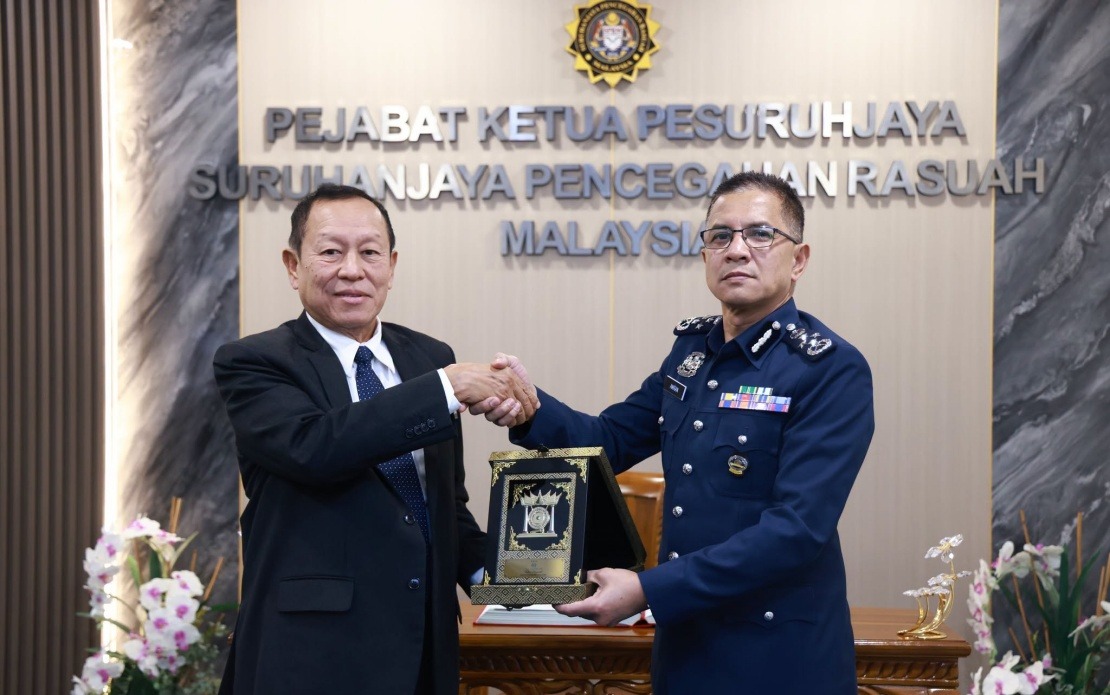
In a significant move to tighten oversight of Malaysia's maritime trade corridors, the Malaysian Anti-Corruption Commission (MACC) and the Royal Malaysian Customs Department (JKDM) have announced plans to create a dedicated task force aimed at monitoring enforcement activities and tax collection at the nation's strategic ports. The proposal emerged from high-level discussions held in Putrajaya on July 15, when JKDM director-general Datuk Amran Ahmad visited MACC headquarters for strategic talks with the agency's chief commissioner, Datuk Seri Abd Halim Aman.
The collaboration between these two critical enforcement bodies reflects mounting pressure to address vulnerabilities within Malaysia's customs and border administration systems. Over the past years, authorities have grappled with increasingly sophisticated schemes designed to circumvent tax obligations and facilitate illicit trade flows through maritime gateways. By pooling resources and expertise, the two agencies seek to create a more cohesive and effective monitoring mechanism across Malaysia's port infrastructure, which handles millions of tonnes of cargo annually and represents a crucial hub for regional commerce.
During their one-hour strategic meeting, officials from both organisations conducted a comprehensive review of their respective operational challenges and areas of mutual concern. A central focus was the complexities inherent in customs inspection procedures and the bureaucratic obstacles that can inadvertently create gaps in enforcement coverage. These systemic issues, while often procedural in nature, have been identified as potential vulnerabilities that organised crime syndicates and unscrupulous importers have exploited to move contraband goods and evade legitimate tax obligations.
A particularly troubling concern identified by JKDM officials involves the sophisticated methods used by smuggling networks to conceal the true value and nature of shipments entering Malaysian ports. Among the tactics documented are deliberate falsification of shipping documents, misclassification of goods to take advantage of preferential tariff rates, and the submission of fraudulent certificates of origin designed to obscure a product's actual source. These modus operandi represent a coordinated effort to undermine the integrity of Malaysia's import tax system and create unfair competitive advantages for participating traders.
One specific scheme that has caught the attention of customs authorities involves the systematic under-declaration of currency entering the country. Datuk Amran disclosed that JKDM has detected cases where individuals bring substantially larger quantities of cash into Malaysia but deliberately declare significantly reduced amounts to customs officers. This practice, which circumvents Malaysia's reporting requirements for large currency movements, creates serious risks of money laundering and facilitates illicit financial flows that may fund criminal enterprises or terrorism-related activities.
The task force initiative also addresses what officials describe as "leakages" in container management systems at ports nationwide. This terminology refers to the loss of revenue and control that occurs when shipping containers move through the import process without adequate tracking or verification. By establishing more rigorous monitoring protocols, the joint task force aims to ensure that every container processed at Malaysian ports undergoes appropriate scrutiny and that documentation is verified against actual cargo contents before clearance is granted.
For Malaysian and Southeast Asian traders, the implications of this enforcement intensification are substantial. Legitimate businesses operating within proper compliance frameworks should face minimal disruption, as the task force's focus is on targeting systematic fraud and organised smuggling operations rather than enforcement against good-faith traders. However, companies engaged in import and export activities would be wise to review their documentation practices and ensure that all declarations accurately reflect the true nature, origin, and value of their shipments. The regional business community should also anticipate that port processing times may initially increase as customs procedures become more stringent.
JKDM's emphasis on welcoming MACC's anti-corruption expertise represents a recognition that combating trade fraud requires more than traditional customs enforcement. Corruption within the customs and port administration systems themselves—such as officials accepting bribes to overlook documentation discrepancies or approve shipments without proper inspection—represents a critical vulnerability. By integrating MACC's investigative capabilities and its focus on institutional integrity, the combined task force gains capacity to pursue not only trafficking networks but also corrupt officials who facilitate these operations.
The strategic meeting also served as an opportunity for the agencies to conduct cultural and operational exchange, with MACC indicating its commitment to delivering anti-corruption training programmes to JKDM personnel. Building a culture of integrity across both organisations is essential if the task force is to succeed long-term. Frontline customs officers, port inspectors, and administrative staff who understand the broader implications of their work and feel supported in maintaining ethical standards are far more likely to resist corruption overtures and maintain vigilant enforcement.
For Malaysia's broader national interest, the task force represents a tangible effort to protect government revenue from the sophisticated smuggling and fraud schemes that have proliferated in recent years. Every dollar lost to tariff evasion or under-declared goods represents revenue that would otherwise fund public services and infrastructure. This is particularly critical given Malaysia's fiscal challenges and the government's need to maintain robust revenue streams amid economic headwinds affecting the region.
The partnership also carries implications for Malaysia's standing within regional trade frameworks and international cooperation mechanisms. Customs agencies and anti-corruption bodies across Southeast Asia increasingly coordinate on transnational smuggling networks that exploit cross-border gaps. By demonstrating coordinated enforcement capacity, Malaysia enhances its credibility as a reliable trading partner and strengthens its hand in bilateral and multilateral discussions on trade facilitation and mutual assistance.
Moving forward, the success of this initiative will depend on securing adequate resources, ensuring clear delineation of responsibilities between the agencies, and maintaining sustained commitment despite competing priorities. Initial focus areas will likely centre on Malaysia's busiest container ports, including those in Port Klang and Tanjung Pelepas, where cargo volumes are highest and smuggling risks most acute. The effectiveness of this task force in disrupting organised smuggling networks and recovering lost government revenue will serve as a key performance indicator of Malaysia's capacity to strengthen institutional enforcement in the coming years.

