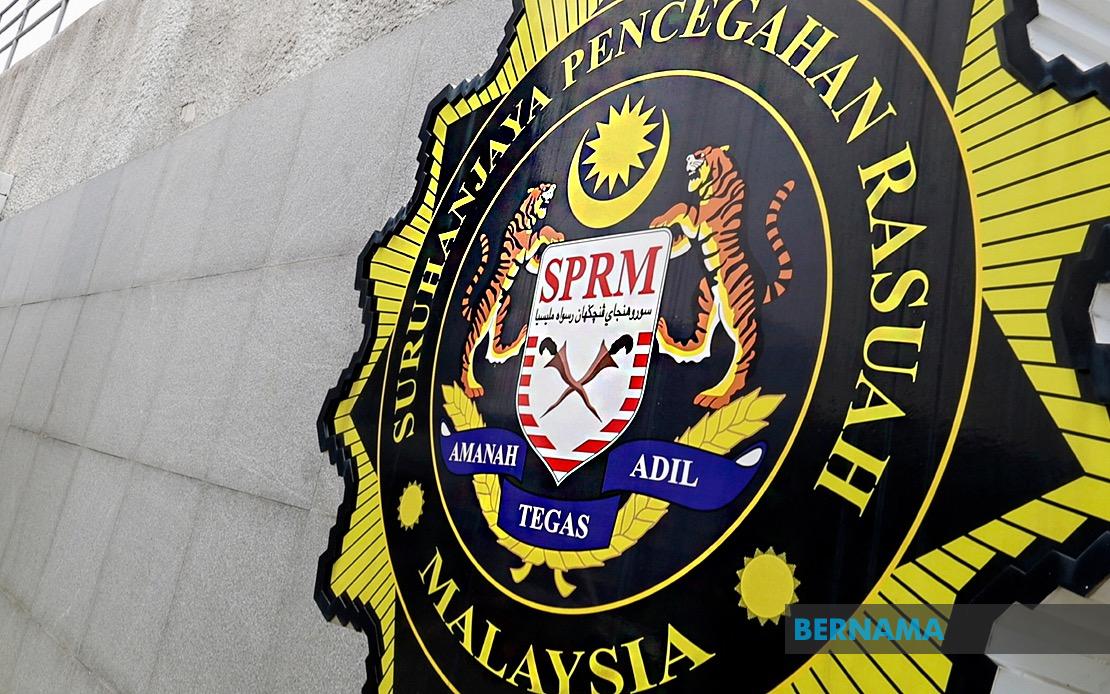
The Malaysian Anti-Corruption Commission has taken 13 suspects into custody following allegations that they conspired to extract approximately RM2.5 million in bribes from contractors seeking government work. The detainees include a serving director and a former director of a government agency based in northern Malaysia, alongside civil servants and private sector operatives. The arrests represent a significant enforcement action against what investigators characterise as a systematic procurement cartel operating within state institutions.
According to the MACC's Strategic Communications Division, the detained individuals allegedly orchestrated a scheme wherein payments were funnelled to secure the award of projects that would have otherwise been subject to competitive processes. Instead, contracts were steered towards firms controlled by cartel members through direct award and quotation-based mechanisms, effectively locking out legitimate competitors and inflating project costs. The sophistication of the alleged arrangement suggests organised coordination rather than isolated instances of individual malfeasance.
The 13 suspects comprise 10 men and three women ranging from 30 to 60 years of age. Eight are employed as civil servants within government structures, while five operate as private businesspeople and company proprietors. This mixed composition indicates that the alleged conspiracy bridged the public and private sectors, with officials allegedly leveraging their administrative authority to benefit commercial partners. The involvement of private actors suggests a quid pro quo relationship where contractors compensated officials in exchange for preferential treatment in procurement processes.
Investigations suggest the illicit arrangement took root between 2024 and 2026, indicating the scheme is relatively recent. Preliminary findings reveal that participating contractors were allegedly coerced into surrendering between 10 and 15 percent of their contract values to intermediaries, who subsequently distributed these payments to the serving and former agency directors. This percentage structure indicates a systematic extraction mechanism rather than ad hoc demands, suggesting institutional knowledge of the arrangement among those involved.
The MACC coordinated simultaneous enforcement action across multiple jurisdictions, launching Operation Drain on Monday spanning Kuala Lumpur, Selangor, Pahang and Perak. The coordinated raids targeted 25 locations including residential properties, commercial offices and government facilities, disrupting the cartel's operations across its known strongholds. This multi-state approach reflects the MACC's strategic assessment that the procurement conspiracy operated as a geographically dispersed network rather than a localised operation.
The enforcement sweep yielded substantial seized assets valued at approximately RM2.5 million, directly paralleling the alleged bribe amount. Officers recovered approximately RM1.5 million in cash, a luxury timepiece, two motor vehicles, a high-powered motorcycle and jewellery estimated at RM1 million. The recovery of such substantial assets suggests that participants had reinvested illegal proceeds into acquisitions, providing forensic evidence of illicit enrichment and enabling asset tracing investigations.
Magistrate Anis Hanini Abdullah approved the MACC's remand applications at the Ipoh Magistrate's Court, authorising differentiated detention periods. Three suspects—two civil servants and a company director—are held for two days, while the remaining 10 individuals face five-day remand periods extending to June 20. These staggered detention schedules may reflect assessed flight risks or investigative priorities, with senior figures or those with greater flight capacity potentially held on shorter timelines to expedite bail proceedings and reduce organised obstruction risk.
The investigation proceeds under Section 17(a) of the MACC Act 2009, which addresses solicitation and acceptance of gratification. This statutory framework criminalises both the offering and receiving of bribes, establishing mutual culpability. The broad application of this provision against both officials and private actors demonstrates prosecutorial intent to dismantle entire conspiracy networks rather than pursuing individual wrongdoers in isolation, a strategic shift that acknowledges how procurement cartels depend on coordinated participation across institutional boundaries.
The procurement cartel allegations carry significant implications for Malaysian governance and public confidence in institutional integrity. Government procurement processes represent critical mechanisms for deploying public resources, and when compromised through bribery arrangements, they result in demonstrable economic harm through inflated costs, reduced service quality and diminished competition. The scheme effectively imposed a hidden tax on public spending, diverting resources from their intended beneficiaries to corrupt officials and their associates.
For the region, this case exemplifies persistent vulnerabilities in government procurement systems across Southeast Asia. Similar schemes have surfaced in neighbouring jurisdictions, suggesting that procurement cartels represent a structural challenge rather than isolated incidents. Malaysia's MACC action may prompt parallel investigations elsewhere and inform regulatory discussions about procurement system strengthening, though enforcement consistency remains variable across the region.
The involvement of cartel intermediaries suggests professional facilitators coordinated the bribery distribution, indicating that procurement corruption in Malaysia has evolved beyond opportunistic individual acts toward organised criminal enterprise. Understanding these facilitation mechanisms and targeting intermediaries represents an evolving enforcement priority that may yield cascading investigations and broader cartel dismantling.
Looking ahead, the outcomes of these investigations will substantially influence public sector reform agendas. Successful prosecutions would reinforce deterrence against procurement corruption, while acquittals or mistrials might suggest systemic investigation or prosecution limitations. The MACC's capacity to secure convictions will significantly impact confidence in anti-corruption enforcement and the willingness of whistleblowers to expose similar schemes in other agencies.

