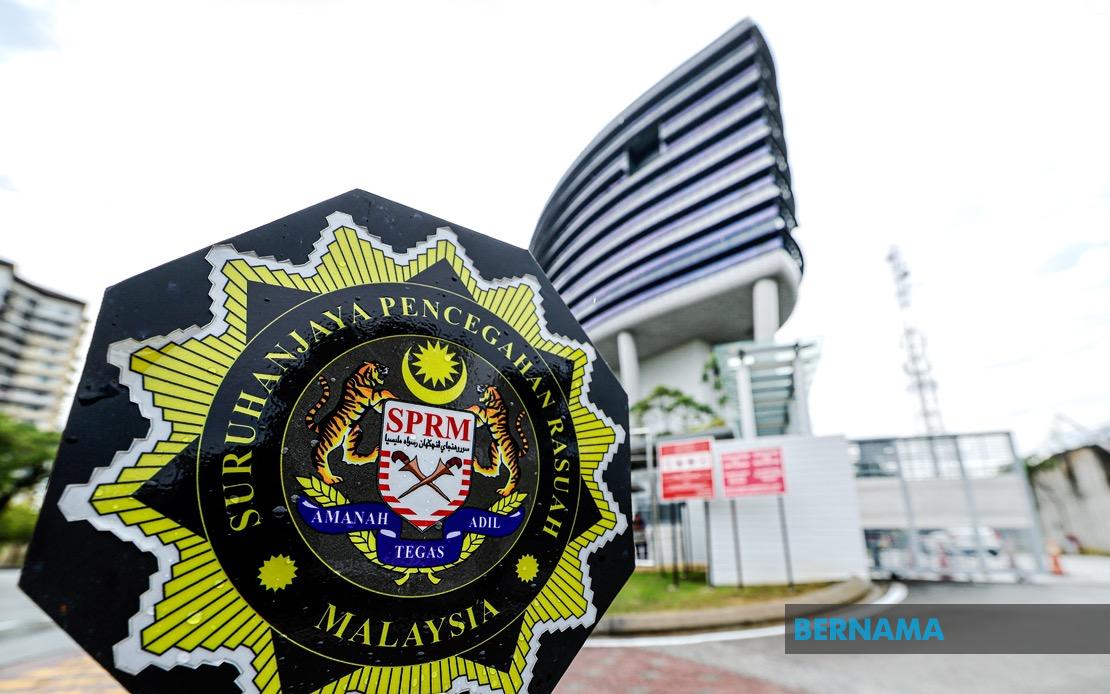
Malaysia's anti-corruption watchdog has mobilised a specialised investigation unit to examine the recently published Royal Commission of Inquiry findings on the troubled Lembaga Tabung Haji (TH), signalling a fresh phase in uncovering potential wrongdoing at the Islamic pilgrimage fund.
The Malaysian Anti-Corruption Commission confirmed on Wednesday that it has established a dedicated team under the leadership of Datuk Mohd Hafaz Nazar, senior director of its Investigation Division, to thoroughly assess the RCI report that became public the previous day. This move reflects the seriousness with which the MACC regards the matters raised in what is expected to be a comprehensive examination of governance failures at one of Malaysia's largest financial institutions.
The MACC's investigative scope encompasses a broad range of potential criminal conduct. Investigators will focus on identifying any breaches that might constitute corruption, embezzlement of funds, falsification of records, abuse of authority, or activities linked to money laundering. The team will apply provisions under the MACC Act 2009, along with the comprehensive Anti-Money Laundering, Anti-Terrorism Financing and Proceeds of Unlawful Activities Act 2001, ensuring that no legal avenue remains unexplored.
In a statement, the MACC reaffirmed its institutional commitment to impartial enforcement regardless of rank or social standing. The commission pledged that should investigations uncover violations of law, punitive measures would follow without exception, reflecting its stated dedication to upholding rule of law principles and strengthening national governance standards. This declaration carries particular weight given longstanding public scrutiny of whether the MACC applies consistent standards across all tiers of society.
The RCI, which examined TH's management and operational practices during the 2014-2020 period, identified several troubling patterns. The inquiry report recommended ordering a forensic audit to investigate investment decisions that precipitated a substantial erosion in the fund's asset base. Beyond investment losses, the RCI uncovered evidence of suspicious transactions and deliberate concealment of information, suggesting systematic attempts to obscure the truth from stakeholders and regulators.
TH, which manages savings and pilgrim funds for millions of Malaysian Muslims, has faced mounting scrutiny over its financial performance and governance. The findings of the RCI represent a critical moment for the institution, as external oversight now transitions from inquiry to potential enforcement action. For ordinary Malaysians who have entrusted their savings to TH, the MACC review offers the prospect of accountability, though questions remain about whether identified wrongdoing extends to criminal conduct prosecutable under existing laws.
The MACC's decision to publicly announce the establishment of this review team while asking the public to refrain from speculation suggests a deliberate attempt to manage the narrative and limit prejudicial commentary that could complicate subsequent investigations or legal proceedings. This approach reflects international best practices in anti-corruption enforcement, where investigative independence and evidentiary integrity are paramount.
The confluence of the RCI report and the MACC investigation underscores broader governance challenges within Malaysia's financial institutions. How the anti-corruption commission handles this review will likely set expectations for scrutiny of other large government-linked companies facing similar questions about stewardship and accountability. The outcome may also influence public confidence in institutional reform efforts across the region.
Sector analysts note that TH's difficulties emerge against a backdrop of evolving regulatory expectations for fund managers. The MACC's investigation will test whether current legal frameworks adequately address modern forms of financial misconduct, or whether legislative gaps have permitted problematic behaviour to persist unchecked. The findings could inform future amendments to corporate governance standards affecting similar institutions.
For the broader investment community and regulatory authorities in Southeast Asia, the TH case illustrates vulnerabilities in oversight mechanisms for large pooled funds, particularly those combining commercial objectives with social mandates. Malaysia's response through concurrent RCI and MACC processes may offer instructive lessons for neighbouring jurisdictions grappling with comparable governance challenges in religious or social funds.
The investigation's progression will likely extend over months, requiring the MACC team to sift through complex financial records, internal communications, and transaction histories spanning several years. The quality and thoroughness of this review will substantially determine whether identified governance failures translate into criminal prosecutions or remain confined to administrative remedies and structural reforms. Stakeholders should anticipate a gradual process rather than swift conclusions, as the technical complexity of financial investigations demands meticulous documentation.

