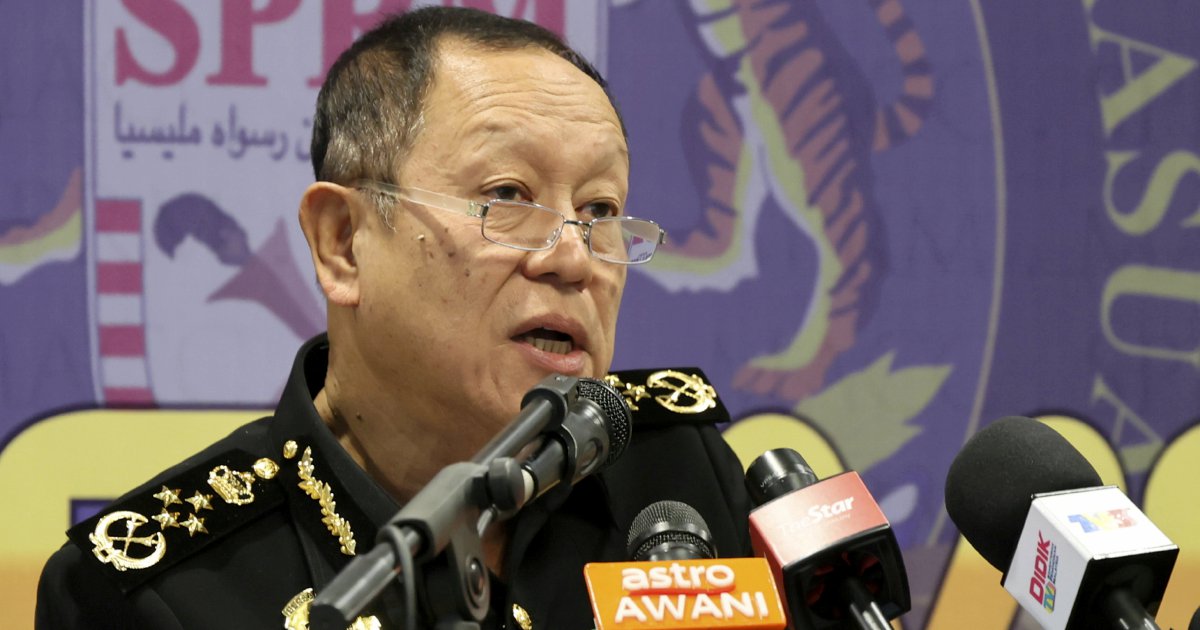
The Malaysian Anti-Corruption Commission (MACC) has initiated a formal investigation into the operations and management of Tabung Haji following the completion of a Royal Commission of Inquiry (RCI) report, marking a significant escalation in official scrutiny of the Islamic pilgrimage savings fund. MACC investigators descended on Tabung Haji's headquarters in Putrajaya to begin the probe, signalling the transition from the RCI's investigative phase to active criminal examination of any potential breaches identified in the inquiry's findings.
Tabung Haji, a crucial financial institution serving Malaysia's Muslim population, has faced mounting concerns over its management and investment strategies in recent years. The organisation functions as the primary savings scheme enabling Malaysian Muslims to accumulate funds for the Hajj pilgrimage to Mecca, making it a trusted repository for billions of ringgit in public savings. The initiation of a MACC probe underscores the gravity with which authorities are treating the RCI's conclusions and suggests the inquiry uncovered matters warranting criminal investigation beyond mere administrative irregularities.
The Royal Commission of Inquiry, having completed its comprehensive examination of Tabung Haji's affairs, has now handed over its findings to law enforcement authorities. This transition reflects standard procedure when investigative commissions identify potential criminal conduct that falls outside their mandate to recommend administrative or regulatory remedies. The MACC's role involves examining whether specific individuals or entities engaged in misconduct that violates Malaysia's anti-corruption laws or related statutes.
For Malaysian Hajj pilgrims and their families, the MACC investigation carries significant implications. Millions of Malaysian Muslims depend on Tabung Haji's stability and integrity to safeguard their savings earmarked specifically for the holy pilgrimage. Any serious governance failures or mismanagement exposed through the investigation could affect confidence in the institution and raise questions about the adequacy of regulatory oversight of such significant public trust entities. The findings may necessitate structural reforms or enhanced governance mechanisms.
The RCI report's contents remain partially under scrutiny as authorities determine which elements constitute potential criminal matters versus policy or management failures. Investigators will examine documentation, financial records, and decision-making processes to establish whether any actions contravened anti-corruption statutes or breached fiduciary duties owed to Tabung Haji's members. The investigation may scrutinise investment decisions, procurement practices, governance structures, and the conduct of senior management and board members.
This development reflects broader concerns within Malaysia's civil society and financial sector about governance standards among large public-trust institutions. Tabung Haji's difficulties have prompted wider discussion about accountability mechanisms for organisations managing substantial public resources, particularly those serving specific demographic groups. The MACC investigation will likely set precedents for how similar organisations face scrutiny should governance issues emerge.
The timing of the MACC's deployment carries political and institutional significance. It demonstrates the anti-corruption agency's willingness to pursue investigations into major public institutions regardless of their cultural or religious importance. The probe signals that no organisation, regardless of its status or constituency, remains exempt from accountability standards that the MACC is mandated to enforce across Malaysia's public and semi-public sectors.
For the Malaysian financial services regulatory framework, the Tabung Haji case illustrates potential gaps in oversight mechanisms for large savings institutions with specific missions. The investigation's findings may inform discussions about strengthening governance codes, board composition requirements, audit procedures, and whistle-blower protections within similar organisations. Regulators may subsequently implement enhanced monitoring frameworks based on any systemic vulnerabilities the investigation reveals.
The investigation also carries implications for regional perspectives on Malaysian governance standards. Southeast Asian observers increasingly scrutinise corruption levels and enforcement capacity across the region. A robust investigation into a major public institution sends signals about Malaysia's commitment to accountability, potentially influencing investor confidence and international perceptions of the country's governance maturity. The MACC's visible and active prosecution of investigations demonstrates institutional independence and capability.
As investigators examine Tabung Haji's records and operations, the process will likely unfold over several months. Initial findings may emerge through preliminary investigation reports, though full outcomes could require extended examination depending on the complexity of financial transactions and decision-making documented. The investigation may result in recommendations for prosecution, administrative action, or policy reforms, or combinations thereof.
The public remains largely awaiting details from the RCI report itself, which the government must formally present and release. The MACC investigation, while proceeding in parallel, will occur somewhat independently of public scrutiny until authorities make investigative outcomes available. This period creates uncertainty for Tabung Haji stakeholders regarding potential consequences and remedial actions that may follow from official findings.

