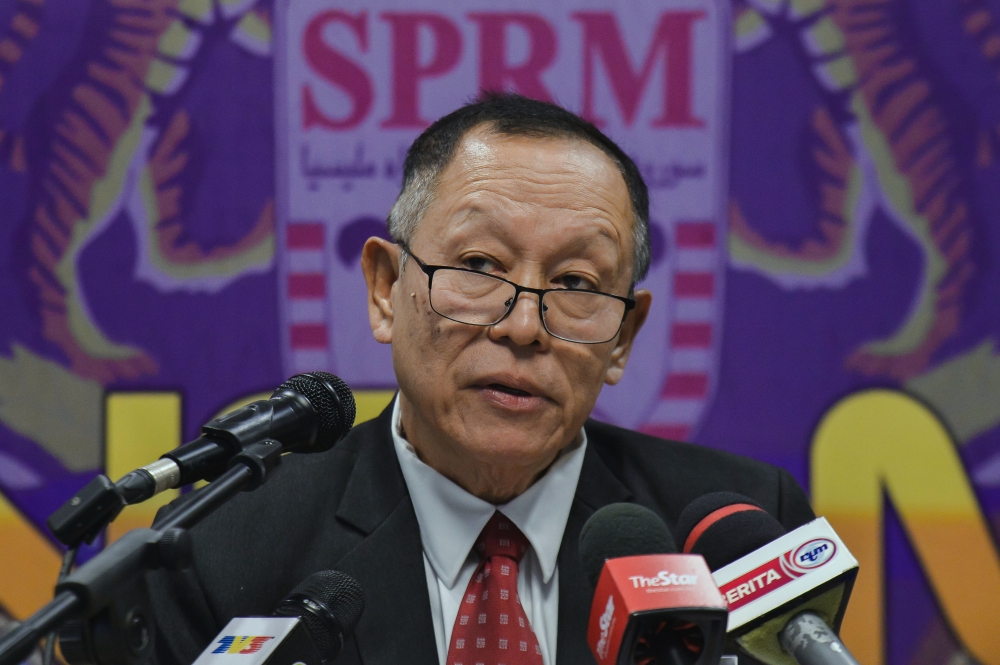
The Malaysian Anti-Corruption Commission has formally launched its investigation into Tabung Haji following the completion of the Royal Commission of Inquiry into the institution's operations and governance. The move represents the next critical phase in scrutinising potential irregularities at the Islamic pilgrimage fund, which has faced mounting public concern over management practices and financial accountability in recent years.
As part of the investigation, MACC has deployed eight dedicated officers to undertake a comprehensive review of all relevant documents and evidence compiled during the RCI proceedings. This specialised team will focus on examining the records, financial transactions, and administrative decisions that formed the basis of the commission's findings. The assignment of this task force underscores the complexity of the matter and the scale of documentation that requires analysis to determine whether any criminal breaches have occurred.
The RCI's establishment reflected widespread concern within political and policy circles about Tabung Haji's management and governance standards. The inquiry was tasked with examining operational practices, investment decisions, and administrative oversight within the institution, which manages funds contributed by Malaysian Muslims preparing for the hajj pilgrimage. Public scrutiny intensified following reports of alleged mismanagement and questions about how the fund deployed pilgrim contributions.
Tabung Haji occupies a uniquely significant position in Malaysia's Islamic financial ecosystem. With hundreds of thousands of contributors and billions of ringgit in accumulated assets, the institution bears substantial responsibility toward its members. Any governance failures or misconduct could directly impact the savings and financial security of ordinary Malaysians entrusted to the fund's stewardship. This explains why the RCI inquiry attracted considerable public attention and why the MACC's subsequent investigation represents an important institutional accountability mechanism.
The RCI's recommendations have now passed to law enforcement for assessment of potential criminal culpability. The MACC's investigation will determine whether evidence supports prosecution of individuals or entities for corruption, abuse of power, or related offences. This process requires methodical examination of complex financial and administrative records to establish whether actions violated anti-corruption laws and whether sufficient evidence exists to support formal charges.
The eight-officer team composition suggests the MACC has assigned personnel with expertise in financial crime investigation, corporate governance scrutiny, and Islamic finance matters. Effective investigation of Tabung Haji requires understanding both general anti-corruption principles and the specific regulatory framework governing Islamic financial institutions. Officers will need to assess not only whether procedures were followed but whether decision-making served institutional interests or diverted benefits to particular individuals or connected entities.
This investigation carries implications extending beyond Tabung Haji itself. Public confidence in Islamic financial institutions depends substantially on demonstrated governance standards and willingness to investigate and prosecute misconduct. How thoroughly and impartially the MACC pursues this matter will influence perceptions of institutional integrity across Malaysia's broader Islamic finance sector. Rigorous investigation sends an important signal that no entity, regardless of religious or cultural significance, is exempt from accountability standards.
The timeline for completing this investigation remains uncertain. Comprehensive review of documents arising from the RCI proceedings, interviews with relevant individuals, and legal analysis of potential offences typically require substantial time. However, the public interest in this matter suggests the MACC will prioritise resource allocation to progress investigations efficiently. Any undue delays risk reinforcing public cynicism about institutional accountability mechanisms.
From a regulatory perspective, the investigation also provides opportunity to identify systemic governance weaknesses that may require institutional reform beyond individual accountability. Whether particular decisions reflected isolated misconduct or structural deficiencies in oversight mechanisms will inform future governance arrangements. This diagnostic function serves the long-term objective of strengthening safeguards protecting pilgrim contributions and ensuring institutional sustainability.
The investigation's scope will likely extend beyond financial irregularities to encompass questions of process integrity and administrative accountability. Even where actions technically complied with existing regulations, investigations may reveal whether decision-making processes adequately protected institutional interests and member welfare. This broader approach reflects modern anti-corruption practice's emphasis on governance culture alongside narrow legal compliance.
International dimensions may also emerge during investigation. If Tabung Haji engaged international financial transactions or cross-border arrangements, the investigation may require coordination with foreign authorities. Malaysian investigators increasingly work with counterparts in other jurisdictions when cases involve international elements, a practice that strengthens investigative capacity while raising questions about jurisdictional boundaries and enforcement cooperation.
The MACC's investigation represents the institutional response to public concerns about Tabung Haji. How rigorously and transparently this process unfolds will significantly influence confidence in Malaysia's anti-corruption infrastructure. Citizens' willingness to contribute to Islamic financial institutions and trust governmental accountability mechanisms depends on demonstrated capacity to investigate wrongdoing impartially and pursue culpability regardless of individual or organisational status.

