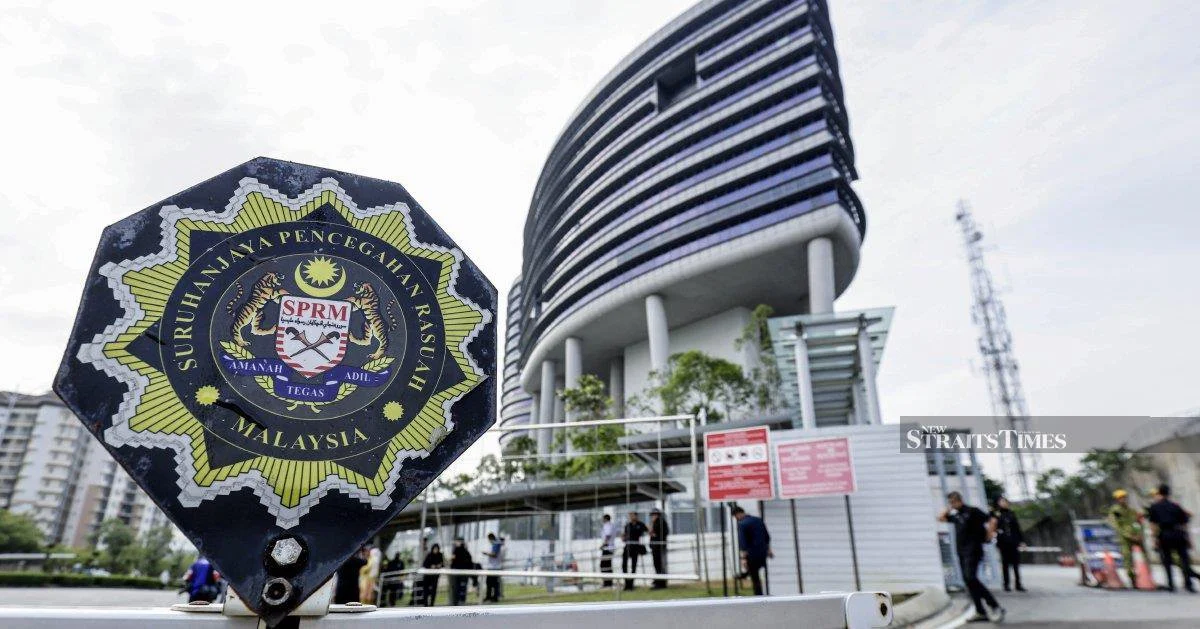
The Malaysian Anti-Corruption Commission has expanded its investigation into the Daya Kerjaya 2.0 employment incentive scheme to encompass a thorough examination of governance and procedural shortcomings. This broader inquiry follows initial allegations of fraudulent claims estimated at RM9 million, signalling that systemic vulnerabilities rather than isolated misconduct may lie at the heart of the scheme's difficulties.
Daya Kerjaya 2.0 represents a significant government initiative designed to stimulate employment opportunities across Malaysia by providing incentives to businesses and workers. The programme has become a focal point for anti-corruption scrutiny, with investigators now looking beyond individual offences to identify weaknesses in how the scheme operates at an institutional level. This comprehensive approach reflects a shift towards examining the structural conditions that may enable fraud to occur within government programmes.
The decision to probe governance gaps is particularly significant for Malaysian policymakers and the public sector more broadly. When employment assistance schemes face such scrutiny, questions inevitably arise about the robustness of oversight mechanisms and the effectiveness of internal controls. The MACC's investigation sends a clear message that schemes involving substantial public expenditure must demonstrate rigorous administrative processes and transparent accountability frameworks.
For Malaysian workers and employers who participate in Daya Kerjaya 2.0, the investigation raises concerns about programme credibility and the legitimacy of funds allocation. Legitimate participants depend on fair, equitable administration and accurate distribution of benefits. When systemic weaknesses are identified, it undermines confidence in the scheme's integrity and may discourage genuine users from engaging with the programme.
The RM9 million alleged fraud figure underscores the scale of potential misappropriation involved. This substantial sum represents resources that should have been channelled towards genuine employment support and worker welfare. The investigation into governance deficiencies will likely examine whether inadequate verification procedures, insufficient documentation requirements, or lapses in supervisory oversight created opportunities for fraudulent claims to slip through undetected.
Governance weaknesses in employment incentive programmes can manifest in multiple forms. These might include insufficient cross-checking between submitted claims and actual employment data, inadequate penalties for submitting false information, or unclear protocols for verifying participant eligibility. The MACC's examination will presumably identify which specific procedural gaps allowed the alleged fraud to occur and recommend corrective measures to prevent recurrence.
The broader implications for Malaysia's public sector are considerable. Employment-related schemes like Daya Kerjaya 2.0 are increasingly important as the nation seeks to address joblessness and skills gaps in an evolving economy. If such programmes lack robust internal controls, public confidence in government initiatives may erode, potentially affecting uptake and effectiveness of future schemes. This investigation therefore carries significance beyond the immediate case.
Regional observers and international development partners may also scrutinise how Malaysia addresses these governance challenges. Southeast Asian nations frequently benchmark their public administration standards against regional peers. How decisively the MACC addresses institutional weaknesses in Daya Kerjaya 2.0 could influence perceptions of Malaysia's commitment to good governance in public service delivery.
The investigation highlights the interconnection between individual misconduct and systemic failures. While fraudulent actors bear personal responsibility for their actions, the existence of governance gaps suggests that institutional design itself requires examination. This comprehensive approach indicates that MACC recognises that sustainable solutions involve both holding individuals accountable and restructuring processes to make future fraud more difficult to execute.
As the MACC pursues its investigation, the outcome will likely inform policy adjustments across government employment assistance programmes. Recommendations emerging from this probe may establish new standards for documentation, verification, and oversight that extend beyond Daya Kerjaya 2.0. This potential ripple effect underscores why corruption cases involving substantial sums and systemic weaknesses warrant serious institutional attention.
The timing of this investigation also reflects growing pressure on government agencies to demonstrate competent stewardship of public funds. Malaysian taxpayers increasingly expect transparency and efficiency in how their contributions are managed. An investigation that transparently identifies and addresses governance weaknesses in Daya Kerjaya 2.0 can actually enhance public confidence if recommendations are implemented effectively.
Moving forward, the scheme's administrators will face pressure to implement whatever preventive measures the MACC identifies. This might include enhanced digital verification systems, more stringent documentation protocols, or improved coordination between agencies managing different aspects of the programme. The restructured scheme should ultimately emerge more resilient and trustworthy, serving genuine participants while making fraudulent activity considerably more difficult to perpetrate.

