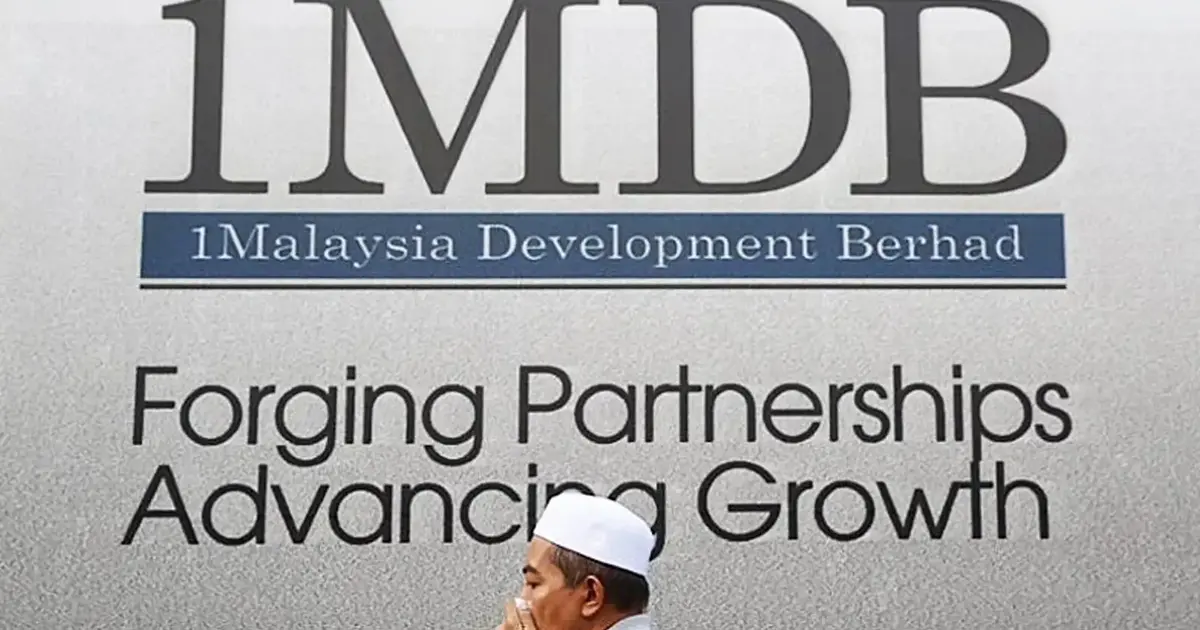
Malaysia's anti-corruption watchdog has opened a fresh investigation into a substantial cache of overseas properties valued at RM59 million that are believed to have links to the controversial 1MDB sovereign wealth fund, according to a statement from the agency's leadership. The Malaysian Anti-Corruption Commission (MACC) is examining potential breaches of anti-corruption laws, money laundering statutes, and exploring the recovery of assets that may have been unlawfully obtained, marking another chapter in the ongoing reckoning with the massive financial scandal that has shadowed Malaysian politics for over a decade.
Chief Commissioner Abd Halim Aman disclosed the scope of the investigation, revealing that the probe encompasses allegations of luxury property acquisitions that are suspected to involve illicit financial flows. The properties in question, spread across overseas jurisdictions, represent a significant concentration of assets that investigators believe warrant scrutiny under Malaysia's comprehensive anti-graft framework. This latest development demonstrates the persistence of enforcement efforts targeting the residual effects of 1MDB, even as the principal figures and structural mechanisms of the scheme have already faced legal consequences.
The 1MDB saga has become synonymous with one of the largest financial scandals in modern history, involving the misappropriation of billions of dollars from a state investment vehicle established in 2009. The scheme's reverberations have extended far beyond Malaysia's borders, implicating financial institutions across multiple continents and resulting in unprecedented international cooperation among regulatory and law enforcement agencies. The current property investigation signals that authorities continue to identify additional layers of concealed assets and international holdings that require forensic examination.
Property acquisition has historically served as a conventional mechanism for laundering proceeds derived from corruption and organised financial crime. By converting suspicious cash flows into tangible real estate assets across jurisdictions with varying levels of regulatory scrutiny, perpetrators seek to obscure the origins of illicit wealth while simultaneously establishing a veneer of legitimacy. The properties under MACC's examination likely reflect this strategic deployment of resources, with locations selected to maximise distance from Malaysian oversight while preserving accessibility for beneficial owners.
The recovery of assets remains a critical dimension of Malaysia's response to 1MDB, as repatriation of misappropriated funds represents both a symbolic acknowledgement of wrongdoing and a practical mechanism for recompensing the Malaysian public. International asset recovery initiatives have achieved measurable success in comparable cases, though the process typically involves protracted negotiations with foreign governments, financial institutions, and judicial systems. The RM59 million property portfolio represents only a fraction of the total wealth believed to have been diverted through the original scheme, suggesting that additional discoveries may yet emerge as investigation techniques become more sophisticated.
The investigation's focus on money laundering alongside corruption reflects Malaysia's evolving understanding of the interconnected nature of financial crimes. Money laundering mechanisms enable the perpetuation of corruption by facilitating the concealment and redeployment of proceeds, thereby perpetuating cycles of financial crime. By prosecuting both dimensions simultaneously, the MACC pursues a comprehensive strategy designed to dismantle the financial infrastructure that supported the original misconduct.
Overseas jurisdictions have assumed heightened importance in transnational financial crime investigations, particularly when assets are situated in locations known for sophisticated financial services and stringent confidentiality protections. The MACC's capacity to investigate beyond Malaysia's territorial boundaries has expanded through bilateral and multilateral cooperation arrangements, treaty-based information-sharing mechanisms, and coordination with international bodies such as the Financial Action Task Force. These institutional developments have substantially enhanced Malaysia's ability to pursue leads across borders.
The timing of the property investigation reflects ongoing institutional commitment to resolving outstanding matters connected to 1MDB, even as broader political and economic attention has shifted toward alternative policy priorities. For Malaysian taxpayers, the investigation represents a tangible manifestation of accountability processes, demonstrating that asset recovery efforts continue independently of headline-generating prosecution activities. The public significance of the investigation extends beyond financial recovery to encompass institutional legitimacy and the credibility of Malaysia's governance frameworks.
International observers have closely monitored Malaysia's handling of 1MDB-related matters as a barometer of institutional strength and commitment to rule of law. The MACC's sustained investigative efforts reinforce Malaysia's standing among international partners engaged in combating financial crime and corruption. As regional economies increasingly interconnect through trade, investment, and financial flows, the capacity to investigate and prosecute transnational corruption becomes essential for maintaining investor confidence and economic stability.
The investigation also highlights the enduring complexity of 1MDB's financial architecture, which involved layered transactions, shell entities, and international fund transfers that continue to yield new investigative leads. Forensic accountants and financial specialists require extended periods to fully unravel transactions deliberately structured to obscure accountability. Each property discovery prompts systematic examination of acquisition funding sources, beneficial ownership structures, and transactional pathways, potentially illuminating previously undetected dimensions of the original scheme.
For Malaysian stakeholders, the continued investigation provides assurance that oversight mechanisms remain vigilant despite the passage of time since the scandal's emergence. The public interest in asset recovery is substantial, particularly given the funds' origins in a state-controlled entity established ostensibly to advance national economic development. The investigation's progress will likely influence broader perceptions regarding Malaysia's institutional capacity for self-correction and comprehensive accountability.
The MACC's inquiry into the RM59 million property portfolio represents an incremental advancement in the complex, multifaceted endeavour to account for 1MDB's misappropriated assets. While individual investigations may yield modest recoveries relative to the scheme's overall magnitude, the cumulative effect of sustained enforcement pressure reinforces deterrence against future financial misconduct. As the investigation progresses, outcomes may establish precedents for subsequent asset recovery initiatives and inform international best practices regarding the pursuit of concealed wealth derived from corruption.

