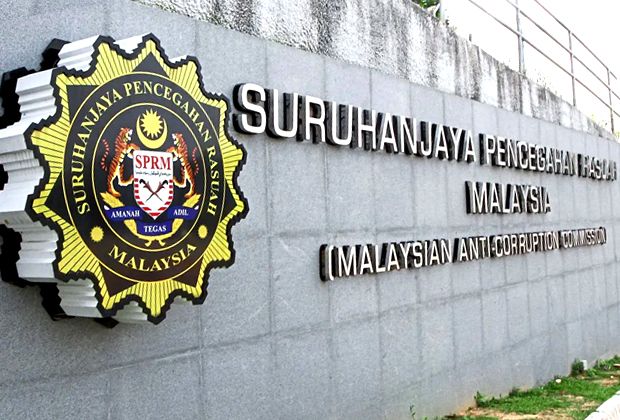
The Malaysian Anti-Corruption Commission has revoked seizure orders that had frozen the bank accounts of Rohas Tecnic Bhd's subsidiary HGPT, along with the personal accounts of current and former officers, clearing the way for the power transmission and telecommunication tower manufacturer to resume unrestricted banking and business operations. The move, formalized through revocation orders issued by the Deputy Public Prosecutor, represents a significant development in an anti-money laundering investigation that had cast uncertainty over the company's operations for nearly two months.
Rowas Tecnic disclosed the lifting of restrictions in a filing with Bursa Malaysia, confirming that all bank accounts previously subjected to the seizure orders under the Anti-Money Laundering, Anti-Terrorism Financing and Proceeds of Unlawful Activities Act 2001 (AMLA) have been released from government control. The revocation brings closure to a period of operational uncertainty that began in mid-October when the company and its subsidiaries HGPT and Rohas-Euco Industries Bhd (REI) initially received freezing and seizure orders from the commission.
The timeline of events reveals a methodical progression through Malaysia's anti-money laundering enforcement procedures. On October 17, 2025, Rohas Tecnic announced that the MACC had issued freezing orders under Section 44(1) of AMLA alongside seizure orders under Section 50(1) affecting specified bank accounts held by the company and its two subsidiaries. The initial action represented a precautionary measure under Malaysian law, designed to prevent the movement of potentially problematic funds while investigations proceeded.
The investigation's resolution came relatively swiftly by enforcement standards. Both Rohas Tecnic and HGPT received formal revocation orders from the Deputy Public Prosecutor on November 26, 2025, signalling that the legal review had determined no ongoing basis for maintaining the restrictions. A day prior, REI had already received its own revocation order issued directly by the MACC pursuant to Section 44A of AMLA, suggesting that the authorities had completed their examination of the circumstances that originally prompted the freezing action.
For Rohas Tecnic, a publicly listed manufacturer specializing in power transmission and telecommunications infrastructure, the lifting of account restrictions removes a significant operational impediment. Companies operating in heavy infrastructure sectors depend on reliable access to capital for equipment procurement, contractor payments, and project financing. The extended freeze would have complicated routine business operations and potentially affected the company's ability to service contracts or meet financial obligations, even though the restrictions themselves did not imply wrongdoing.
The revocation of seizure orders affecting both corporate and personal accounts of officers carries particular significance for those individuals named in the original enforcement action. Under AMLA, such measures can create substantial reputational and practical complications for senior management, potentially limiting their ability to conduct personal financial transactions. The clearing of personal accounts restores full banking access to these officers and implicitly indicates that the investigation found no evidence warranting further restrictions.
Malaysia's AMLA framework allows authorities broad powers to freeze and seize assets during investigations into suspected money laundering or terrorism financing, reflecting international standards for combating financial crimes. However, these powers operate alongside procedural safeguards requiring ongoing legal justification for asset restrictions. The revocation process—whereby orders are cancelled after investigation—ensures that restrictions remain proportionate and evidence-based rather than indefinite.
For investors and market participants monitoring Rohas Tecnic's financial health, the revocation order provides reassurance regarding operational continuity. The company's ability to access banking facilities without restriction supports dividend payments, capital investment, and other shareholder-related activities. The public disclosure of the revocation through a Bursa Malaysia announcement also reflects corporate governance transparency, keeping stakeholders informed of material developments affecting the company's operations.
The resolution of this case illustrates how Malaysia's anti-corruption and anti-money laundering enforcement operates in practice. The MACC, supported by the Public Prosecutor's office, applies investigative powers with the understanding that restrictions require periodic legal review and renewal where circumstances warrant continued action. When investigation concludes without substantiating the initial concerns, revocation orders promptly restore the affected parties' financial access. This framework aims to balance robust enforcement against organized financial crime with protection against indefinite or unjustified asset freezing.
The broader context of corporate compliance in Malaysia suggests that such MACC actions, while disruptive, serve an important function in maintaining financial system integrity. Listed companies face increasing scrutiny regarding their fund flows, business relationships, and compliance with anti-laundering standards. While Rohas Tecnic's eventual revocation clears the company and its officers, the initial enforcement action underscores regulatory vigilance across Malaysia's manufacturing and infrastructure sectors.
The lifting of restrictions on Rohas Tecnic's accounts concludes a two-month period during which the company operated under operational constraints. With banking access fully restored, the company can focus entirely on its core business of manufacturing and supplying power transmission and telecommunications infrastructure to domestic and potentially regional markets. The swift resolution suggests the MACC's investigation addressed specific concerns and determined no ongoing compliance risk warranted account restrictions.

