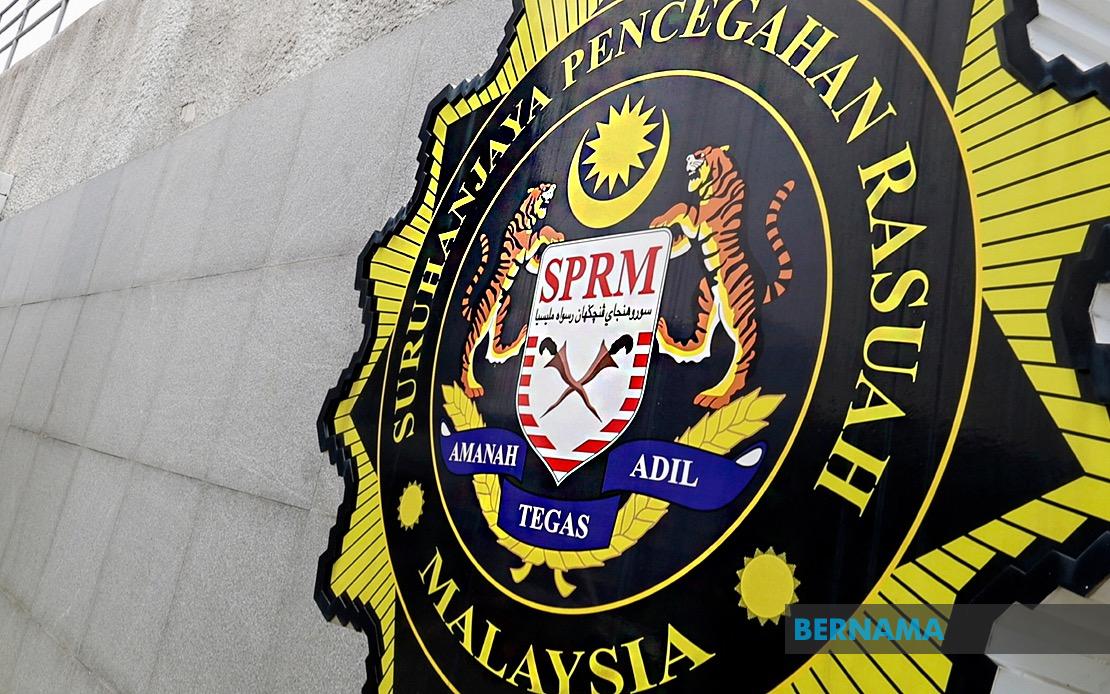
The Malaysian Anti-Corruption Commission has rolled out a comprehensive anti-corruption oversight mechanism for the Johor state election, establishing five dedicated operations centres across the state to receive public complaints about corrupt practices and abuses of authority. The initiative reflects the MACC's commitment to maintaining election integrity during what is shaping up to be a closely watched electoral contest in one of Malaysia's largest states.
These centralised complaint hubs will remain operational around the clock throughout the entire election cycle, beginning when nominations open on June 27 and continuing through polling day on July 11. The decision to maintain continuous operations represents an intensification of the commission's watchdog role during electoral periods, acknowledging that misconduct risks escalate during campaign seasons when political competition reaches its peak.
The five locations strategically distributed across Johor's geography include the main MACC Johor office in Tampoi, alongside regional branch offices serving the districts of Batu Pahat, Kluang, Segamat, and Mersing. This geographic spread ensures that voters and citizens across the state—from the developed urban centres to more remote areas—have accessible channels to report suspected wrongdoing without facing significant travel burdens.
Beyond walk-in submissions at physical locations, the MACC has established a dedicated electronic reporting channel specifically for the election period. Members of the public dissatisfied with campaign conduct can submit detailed complaints via email to [email protected], providing an alternative avenue for those preferring digital communication or wishing to document their concerns in written form before submission.
The commission has provided strong assurances regarding the integrity of its investigative processes, pledging that all information received through either channel will undergo thorough professional examination conducted in strict accordance with Malaysia's legal framework. This commitment addresses longstanding public concerns about whether complaints received during elections are genuinely pursued or shelved after voting concludes.
The Election Commission has structured the Johor campaign timetable to provide adequate time for electoral administration, with nomination day falling on June 27, early voting scheduled for July 7, and the main polling event set for July 11. This calendar gives the MACC and other oversight bodies a defined operational window within which to monitor campaign activities and investigate alleged violations.
In its formal announcement, the MACC issued pointed reminders to all contesting candidates and political parties, explicitly cautioning them against engaging in unlawful conduct throughout the election process. The commission specifically referenced the MACC Act 2009 and the Election Offences Act 1954 (Amendment 2012), the twin legislative pillars governing corruption prevention and electoral propriety. This dual reference underscores that election-related misconduct can constitute both general corruption offences and specific electoral violations carrying their own statutory penalties.
The establishment of these operations rooms carries broader implications for Malaysian electoral governance beyond the immediate Johor contest. The infrastructure and procedures deployed here may serve as a template for future state and federal elections, potentially becoming a standard component of Malaysia's election administration architecture. For voters across Malaysia, the model demonstrates institutional mechanisms designed to hold politicians accountable during the critical campaign period when abuse risks are highest.
For the Johor electorate itself, the multi-channel complaint system represents an invitation to active civic participation in monitoring electoral conduct. By lowering barriers to reporting misconduct, the MACC essentially deputises the public as observers and enforcers of campaign rules, acknowledging that formal enforcement agencies cannot monitor all activities simultaneously across a state of Johor's size and population.
The timing of this announcement, just days before nomination proceedings begin, provides candidates and parties with clear notice of heightened scrutiny. Political organisations planning their campaign strategies must now factor in the certainty that alleged breaches will be documented, reported, and investigated during the campaign itself rather than retrospectively, potentially altering calculation of acceptable risk during the electoral period.
Historically, election periods in Malaysia have witnessed allegations of various misconduct ranging from vote-buying to abuse of government resources for partisan purposes. The presence of dedicated MACC operations rooms signals enhanced institutional commitment to detecting and prosecuting such violations as they occur, though sceptics may question whether the commission possesses sufficient investigative capacity to pursue all credible complaints before polling concludes.

