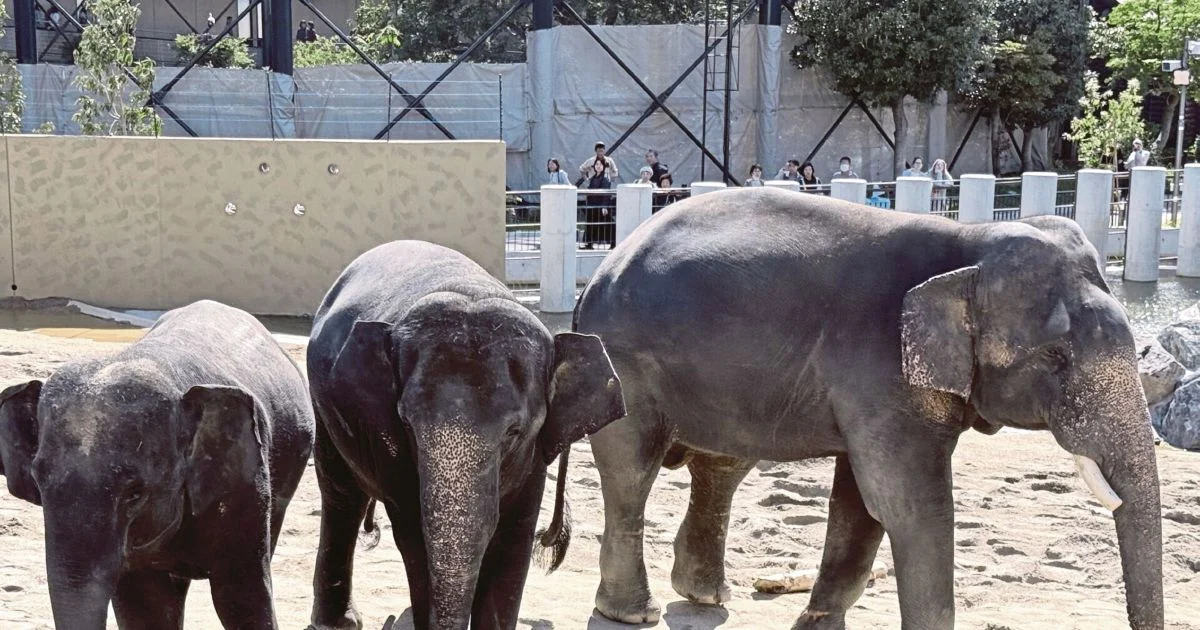
The Malaysian Anti-Corruption Commission has initiated a formal investigation into the relocation of three Asian elephants from Zoo Taiping to Tennoji Zoo in Osaka, Japan, marking an unusual focus on what appears to be a cross-border wildlife transaction. The probe signals growing scrutiny over how international animal transfers are conducted and whether proper procedures and ethical standards were observed throughout the process.
Zoo Taiping, located in Perak, has long been one of Malaysia's most prominent wildlife facilities, housing numerous endangered species including the Asian elephants that form a centrepiece of its conservation efforts. The transfer of such significant specimens to a foreign institution typically involves multiple stakeholder consultations, regulatory clearances, and documented justifications that extend well beyond simple operational decisions. The MACC's involvement suggests that officials harbour concerns about potential irregularities in how this particular arrangement was negotiated and approved.
Tennoji Zoo, situated in Osaka, is one of Japan's major zoological institutions with a substantial Asian animal collection. The facility has previously collaborated with institutions across Southeast Asia on animal welfare and breeding programmes, though details surrounding the motivations for acquiring these specific elephants from Malaysia remain unclear. Questions may centre on whether the transfer served legitimate conservation goals or whether other considerations influenced the decision to allow the animals to leave Malaysian care.
The investigation reflects broader concerns about institutional accountability within Malaysia's wildlife management sector. Zoo operations fall under the purview of various state governments and federal authorities, creating a complex governance landscape where oversight mechanisms can sometimes lack clarity. The MACC's involvement suggests that senior officials or administrators may have circumvented standard review procedures or failed to declare potential conflicts of interest during negotiations with the Japanese facility.
For Malaysia's international reputation as a custodian of regional biodiversity, such investigations carry particular weight. Southeast Asia has increasingly positioned itself as steward of Asian wildlife heritage, with many countries strengthening frameworks around endangered species protection and ethical animal management. Any perception that major wildlife institutions operate without adequate supervision could undermine Malaysia's standing within regional conservation networks and international animal welfare dialogues.
The three elephants in question represent irreplaceable genetic resources for Asian elephant conservation efforts across the region. These animals may have held specific lineage value or breeding potential within Malaysia's zoo network or broader Southeast Asian programmes. Transferring them overseas without comprehensive justification raises legitimate questions about whether decision-makers adequately weighed conservation interests against institutional expediency or financial considerations.
Transparency regarding international wildlife transfers has become increasingly important as global animal welfare standards tighten and conservation communities scrutinise facility conditions and animal treatment more rigorously. The MACC's inquiry may examine whether Zoo Taiping's management conducted proper environmental impact assessments, verified Tennoji Zoo's capacity to provide appropriate care standards equivalent to Malaysian facilities, and whether the animals' wellbeing was prioritised in decision-making processes.
The timing and circumstances of how the transfer decision was made will likely form a central component of the investigation. Proper protocols typically require documented board discussions, environmental assessments, regulatory approvals from wildlife authorities, and consideration of alternatives before allowing significant specimens to depart. Any evidence suggesting that standard procedures were abbreviated or sidestepped could point toward administrative irregularities warranting formal scrutiny.
Stakeholder perspectives from conservation groups, wildlife experts, and animal welfare advocates may feature prominently in the investigation's findings. These communities often maintain detailed knowledge about institutional practices and can provide contextual information about whether the transfer aligned with sound conservation principles or represented a departure from established protocols. Public statements and documentation from Zoo Taiping management regarding the motivations and processes will provide crucial evidentiary material.
The broader implications extend to how Malaysia manages international commitments involving its natural heritage. Wildlife agreements with foreign governments and institutions require careful diplomatic and technical consideration to ensure that Malaysia's interests—both in terms of animal welfare and conservation reputation—are adequately protected. The MACC inquiry signals that authorities intend to verify whether appropriate safeguards were implemented in this instance.
Asian elephants occupy particular significance within Malaysian conservation consciousness and cultural identity. Their status as endangered species under international protection regimes means that any cross-border transfer decisions carry weight beyond routine zoo management. The investigation underscores official recognition that such decisions merit scrutiny proportionate to their conservation and public interest dimensions.
Resolutions emerging from the MACC investigation will likely shape how Malaysian wildlife institutions approach future international partnerships and animal transfers. Depending on findings, officials may implement stronger governance frameworks, clearer decision-making processes, and enhanced oversight mechanisms to prevent similar concerns from arising. Such developments could ultimately strengthen Malaysia's institutional capacity for wildlife stewardship while enhancing public confidence in how the nation manages its zoological assets and conservation responsibilities.

