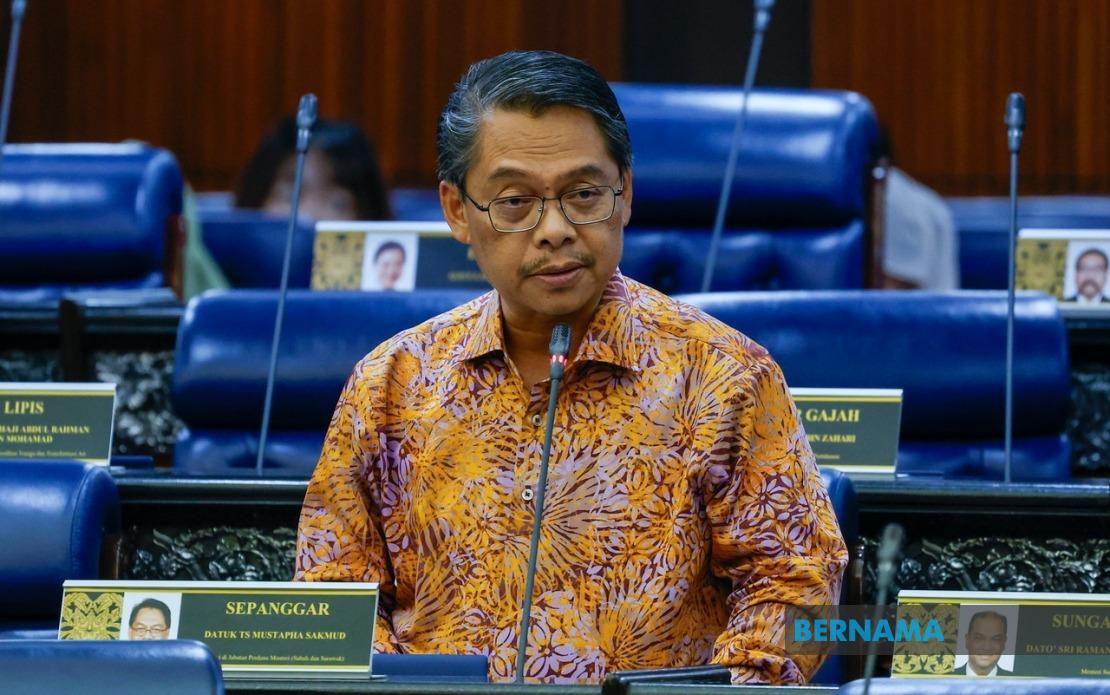
Progress on the Malaysia Agreement 1963 continues at a measured pace, with the federal government confirming that nearly half of the outstanding issues raised under this historic accord have now been settled or moved toward resolution. Datuk Mustapha Sakmud, the Minister in the Prime Minister's Department responsible for Sabah and Sarawak Affairs, reported during parliamentary proceedings that 13 of the 29 matters under active negotiation have achieved full resolution, while a further five items have reached intermediate agreement following a technical committee meeting held in March.
The framework governing these negotiations represents one of Malaysia's most complex constitutional arrangements. The MA63, which brought Sabah and Sarawak into the Malaysian federation in 1963, established a series of special provisions designed to protect these states' interests and autonomy. Over six decades, however, implementation has proven contentious, with persistent disagreements over how federal and state authorities should share responsibilities and resources. The current negotiation process, operating through an official platform, seeks to clarify and resolve these longstanding ambiguities.
Of the five matters achieving interim resolution, four relate to specific public service provisions that have long been sources of dispute. Article 112 of the Federal Constitution allows for expansion of state public service positions, yet determining the precise scope and funding mechanisms has required sustained discussion between Kuala Lumpur and Sabah and Sarawak authorities. Alongside these civil service matters, interim agreements have been reached regarding health and education policy coordination, sectors where jurisdictional overlap between federal and state governments has historically created friction.
A particularly significant development involves the Borneonisation initiative, a principle embedded within MA63 intended to ensure that citizens of Sabah and Sarawak receive preferential treatment in federal public service appointments within their respective states. This interim resolution may signal movement toward practical mechanisms that operationalise this long-stated but often unfulfilled constitutional commitment. The initiative reflects broader recognition that federal bureaucratic presence in East Malaysia must be staffed proportionally by local talent, though implementing this principle without triggering merit-based concerns or administrative disruption requires careful calibration.
The Sabah and Sarawak Affairs Division, functioning as the formal secretariat to this negotiation process, continues monitoring the remaining 11 unresolved matters. These outstanding issues involve intricate questions of constitutional interpretation, resource allocation, and the proper exercise of powers between federal and state levels. The division's coordination with both state governments and federal agencies underscores the institutional seriousness with which these negotiations are being pursued, despite the glacial pace that characterises resolution efforts.
Among the most politically contentious outstanding matters remains the question of parliamentary representation. Sabah and Sarawak have long sought increased seats in the Dewan Rakyat, arguing that their combined population warrants representation closer to the 35 per cent quota they believe should be constitutionally guaranteed. This demand reflects deeper anxieties about political marginalisation within a federation dominated by Peninsular Malaysia. The two East Malaysian states, despite their geographic scale and natural resource wealth, exercise limited voting power in determining national policy directions.
Mustapha's explanation of the parliamentary seat impasse highlights the procedural and constitutional obstacles preventing swift resolution. Electoral redistricting falls exclusively within the Election Commission's mandate, and constitutional convention restricts such exercises to an eight-year cycle measured from the previous comprehensive redelineation. The 2018 electoral redistricting exercise therefore constrains opportunities for boundary adjustments until 2026. Beyond procedural timing, however, any alteration to parliamentary composition requires a two-thirds majority in the Dewan Rakyat under Article 46 of the Federal Constitution, a threshold that demands either broad cross-party consensus or overwhelming support from the ruling coalition.
This constitutional requirement illustrates why MA63 disputes remain persistently difficult to resolve. Sabah and Sarawak cannot unilaterally demand concessions; they must persuade Peninsular Malaysian states to accept redistribution of parliamentary power. This asymmetrical negotiating position has historically disadvantaged East Malaysian interests, contributing to grievances that periodically resurface in state elections and contribute to political volatility in Sabah particularly. The requirement for supermajority parliamentary approval essentially grants veto power to opposition parties, who may resist changes benefiting the government coalition, or to smaller coalition partners focused on protecting their own constituencies.
For Malaysian and Southeast Asian observers, the MA63 negotiation process carries implications beyond technical constitutional matters. The agreement represents a foundational compact that theoretically binds Sabah and Sarawak to Malaysia through mutual respect for specified arrangements rather than simple coercive incorporation. When implementation lags or disputes multiply, it creates political space for separatist or autonomy-seeking sentiment, historically most acute in Sabah. The federal government's methodical engagement with these outstanding matters, therefore, serves partly to demonstrate commitment to the agreement's spirit rather than merely its letter.
The interim resolutions achieved to date suggest pragmatic problem-solving where full agreement proves elusive. Accepting partial outcomes on complex matters like civil service expansion and Borneonisation represents acknowledgment that perfect solutions may be unattainable, yet movement toward implementation can proceed incrementally. This approach may frustrate advocates seeking comprehensive, rapid change, but it reflects political realities in a multi-level, multi-ethnic federal system where constitutional amendments and major policy shifts require extensive consensus-building.
The path forward on the remaining 11 matters will likely mirror the pattern established with the partially resolved issues. Continued technical discussions will gradually narrow disagreements, some matters may reach interim status themselves, while genuinely intractable issues such as parliamentary representation may require political breakthroughs transcending technical negotiation. The stakes remain significant, as successful MA63 implementation strengthens federal cohesion while persistent failure risks strengthening centrifugal forces within the Malaysian union, particularly in East Malaysia.

