%22%2F%3E%3C%2Fpattern%3E%3C%2Fdefs%3E%3Crect%20width%3D%22100%25%22%20height%3D%22100%25%22%20fill%3D%22url(%23ph26t54g)%22%2F%3E%3Crect%20width%3D%22100%25%22%20height%3D%22100%25%22%20fill%3D%22url(%23ph26t54p)%22%2F%3E%3Ctext%20x%3D%2250%25%22%20y%3D%2250%25%22%20text-anchor%3D%22middle%22%20dominant-baseline%3D%22central%22%20fill%3D%22rgba(255%2C255%2C255%2C0.95)%22%20font-family%3D%22Georgia%2C%20'Times%20New%20Roman'%2C%20serif%22%20font-weight%3D%22700%22%20font-size%3D%22170%22%20letter-spacing%3D%22-0.02em%22%3EMalaysia%3C%2Ftext%3E%3C%2Fsvg%3E)
Malaysia and Bangladesh have formally committed to tackling the widespread exploitation of migrant workers, recognising that the labour market dynamics across Southeast Asia demand both increased opportunity and enhanced protection. The agreement, announced during high-level talks in Putrajaya on June 22, signals a regional acknowledgment that current recruitment systems often expose vulnerable workers to abuse, trafficking risks, and unfair employment terms. For Malaysia, where migrant labour underpins significant sectors including manufacturing, construction, and domestic work, this coordinated approach represents a potential turning point in how the country manages its reliance on foreign workers while defending their rights.
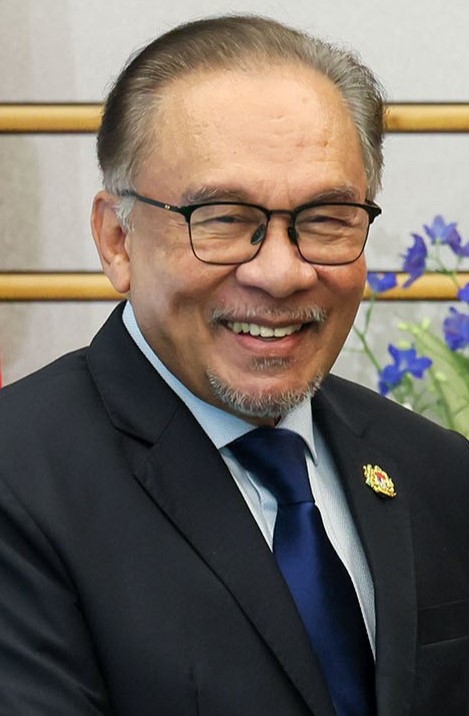
Prime Minister Anwar Ibrahim emphasised that Malaysia's development trajectory depends critically on ensuring migrant workers are treated with dignity and afforded meaningful protections. His statement reflects growing international pressure on Malaysia regarding labour practices, as well as domestic concern about the reputation costs of worker mistreatment. The Malaysian government has faced repeated criticism from human rights groups and international bodies over documented cases of wage theft, unsafe conditions, and restricted freedoms among migrant populations. By positioning worker welfare as a national priority rather than a peripheral concern, Anwar signalled that future economic growth will be evaluated partly through the lens of labour standards.
Bangladesh's interest in securing fairer recruitment arrangements stems from the enormous economic and social stakes involved. Bangladesh is the world's second-largest source of migrant workers, and remittances from overseas employment constitute a vital revenue stream for the national economy. Prime Minister Sheikh Hasina Wazed, during the talks, pressed for concrete mechanisms ensuring Bangladeshi workers access employment on equitable terms and that their earnings flow securely back home without exploitative deductions. The scale of this concern cannot be overstated: millions of Bangladeshi families depend on remittances for survival, making recruitment transparency not merely a labour issue but a matter of national economic security.
A central element of the agreement involves establishing transparent and accountable recruitment processes. Both nations acknowledged that informal networks, unscrupulous agents, and corrupt officials currently facilitate worker exploitation by obscuring contractual terms and employment conditions. The reforms under discussion would include standardised contracts in workers' native languages, verified employer credentials, and independent oversight of the recruitment chain. Malaysia's own experience with irregular labour migration and the persistent problem of undocumented workers highlights why formalising entry procedures benefits both countries: legitimate pathways reduce trafficking, allow proper wage negotiation, and enable regulatory bodies to enforce standards.
The timing of this commitment reflects broader regional concerns about labour shortages and demographic mismatches. Malaysia faces an ageing population and gaps in sectors that native workers avoid, creating structural demand for migrant labour that will persist regardless of automation efforts. Bangladesh, conversely, has a young, growing population with limited domestic employment opportunities, making overseas work not a luxury but a necessity for millions. Rather than viewing these needs as incompatible with worker protection, the agreement frames them as mutually reinforcing: legitimate migration channels serve both economies better than informal arrangements that breed exploitation.
Wage equity and employment security formed another cornerstone of the discussions. Bangladeshi workers have historically faced situations where promised salaries differ sharply from actual payments, where undocumented deductions are levied for accommodation or tools, or where employment contracts are unilaterally altered after arrival in Malaysia. The two governments committed to mechanisms ensuring wage transparency, preventing arbitrary deductions, and establishing dispute resolution channels that do not trap workers in employer-dependent systems. Such reforms, if implemented rigorously, would represent a substantial shift from the current system where informal power imbalances often leave workers unable to challenge unfair treatment without risking deportation.
The role of recruitment agencies presents a persistent challenge in formalising the migration process. Agents operating between source and destination countries often profit from information asymmetries and worker desperation, extracting excessive upfront fees and providing misleading information about working conditions. Both Malaysia and Bangladesh recognised that reforming this sector requires coordinated action: Bangladesh can implement stricter licensing and oversight of agencies on its territory, while Malaysia can enforce compliance from employers who hire through problematic channels. This dual approach addresses the fundamental problem that exploitation often begins before workers even depart their home country.
For Malaysia specifically, the agreement carries implications for how it competes regionally for worker availability. Singapore, Thailand, and other neighbours have begun raising labour standards to attract quality workers and reduce reputational damage. Malaysia's commitment to fairer recruitment and better welfare positions it as a responsible employer within the Southeast Asian labour market, potentially making it a preferred destination for Bangladeshi workers who value transparency and protection. Conversely, failure to implement reforms credibly risks further international scrutiny and potential diplomatic complications with an important labour-source nation.
The agreement also acknowledges the particular vulnerability of domestic workers, who constitute a significant portion of migrant labour flows from Bangladesh to Malaysia but operate largely outside formal regulatory frameworks. Domestic workers often labour in private homes where government inspection is difficult, making them susceptible to wage theft, isolation, and abuse. Both governments signalled commitment to extending labour protections into the domestic sector, though implementation remains a test of political will given the cultural sensitivity surrounding household employment in both societies.
Implementation timelines and enforcement mechanisms will ultimately determine whether this agreement transforms recruitment practices or remains a symbolic gesture. Malaysia has issued previous policy commitments on labour standards that have seen mixed results, partly due to inadequate inspection capacity, corruption among enforcement officials, and employer resistance to compliance costs. Bangladesh faces its own enforcement challenges, given the distributed nature of recruitment activity and the economic incentives facing agents who profit from the current system. Both countries must allocate resources and demonstrate resolve through concrete measures rather than aspirational statements.
The agreement reflects an understanding that regional labour mobility will continue expanding, making coordinated standards increasingly necessary. As demographic and economic imbalances persist across Southeast Asia, migration will remain central to regional integration. By establishing standards jointly rather than competing downward on labour costs and protections, Malaysia and Bangladesh create a model that could attract broader regional participation, eventually raising baseline protections across the entire labour supply chain. The success of this initiative will influence whether future migration becomes a mechanism for shared prosperity or continued exploitation.