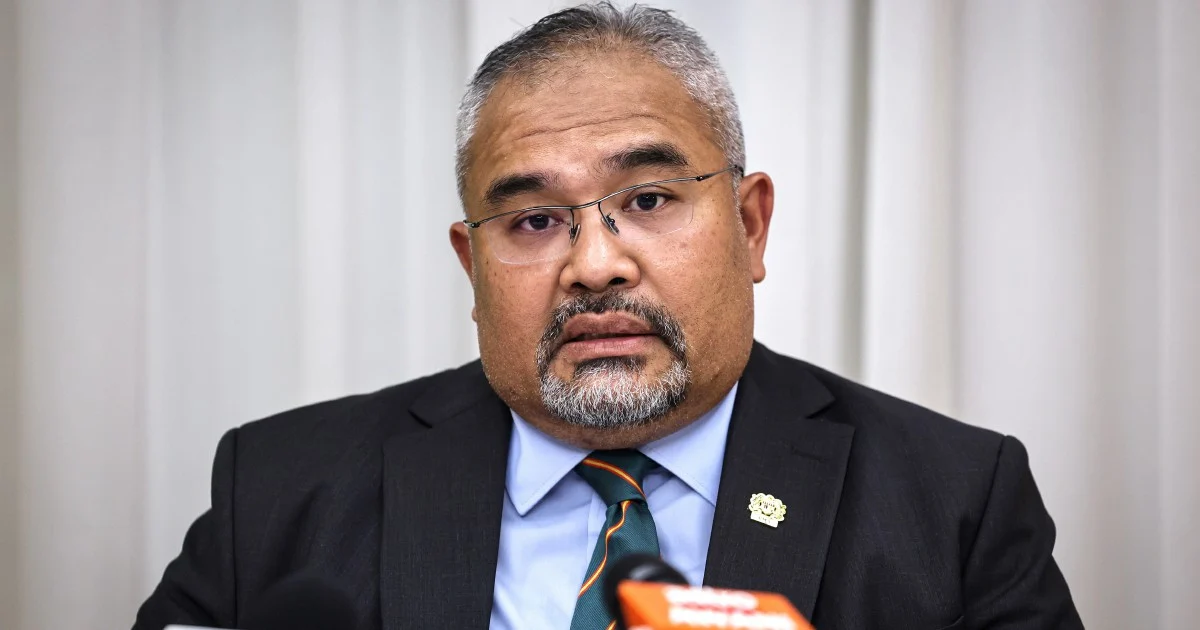
Prime Minister Datuk Seri Anwar Ibrahim's upcoming visit to Ashgabat on June 18 to 19 represents a significant diplomatic engagement aimed at strengthening the longstanding relationship between Malaysia and Turkmenistan. The two-day visit is poised to unlock fresh opportunities for bilateral cooperation across multiple economic sectors, with particular emphasis on capitalising on Turkmenistan's vast hydrocarbon reserves and Malaysia's established expertise in petroleum extraction and processing.
The timing of this visit reflects both nations' commitment to deepening ties at a moment when energy security remains a pressing concern across Asia. Turkmenistan holds substantial reserves of natural gas and crude oil, resources that could prove valuable for Malaysia's long-term energy strategy and industrial development. Through direct high-level engagement, Kuala Lumpur seeks to establish stronger frameworks for joint ventures, technology transfer and resource development partnerships that would benefit both economies.
Beyond the energy sector, the bilateral agenda encompasses transportation infrastructure, an area where Malaysia has accumulated considerable experience and technological know-how. The Central Asian nation, positioned at the intersection of Europe and Asia, represents a strategic gateway for regional trade networks. Enhanced cooperation in this domain could facilitate improved connectivity between Southeast Asia and Central Asia, opening new commercial corridors and reducing transit times for goods moving through the region.
Logistics represents another pillar of the planned collaboration. Malaysia's status as a major global shipping hub and its sophisticated port infrastructure position it as an ideal partner for Turkmenistan's ambitions to modernise its logistics capabilities. By sharing expertise in supply chain management, port operations and multimodal transport systems, Malaysia can help Turkmenistan develop more efficient mechanisms for moving goods to international markets, while potentially establishing Malaysian firms as service providers within the Central Asian nation.
Agriculture also features prominently in the cooperation framework. Both nations recognise the importance of food security and sustainable agricultural practices in their respective regions. Malaysia's advances in tropical agriculture, palm oil production and agricultural biotechnology could be adapted for Turkmenistan's arid climate and specific crop requirements. Conversely, Turkmenistan's historical experience in cotton cultivation and irrigated farming systems could offer insights valuable to Malaysian agricultural planners seeking drought-resistant crop varieties and water management strategies.
Historically, Malaysia-Turkmenistan relations have been marked by cordiality and mutual respect, though bilateral trade volumes remain relatively modest compared to Malaysia's engagement with other nations. The PM's visit provides an opportunity to revitalise these connections and move beyond symbolic gestures toward concrete commercial arrangements. Enhanced diplomatic attention at the highest level typically catalyses downstream business partnerships, as government-to-government agreements create enabling environments for private sector engagement.
For Malaysia, Turkmenistan represents more than an isolated Central Asian nation—it is part of a broader strategic landscape encompassing the Middle East, South Asia and beyond. By strengthening ties with Turkmenistan, Malaysia reinforces its position as a bridge between East and West, a nation capable of engaging effectively across different civilisational and geopolitical contexts. This approach aligns with Malaysia's broader foreign policy philosophy of leveraging its Muslim-majority status and geographic position to forge partnerships that serve national economic interests.
The visit also underscores Malaysia's commitment to the principle of South-South cooperation, whereby developing nations assist one another in addressing shared challenges. Through knowledge-sharing and technical partnerships, both nations can leapfrog conventional development pathways and adopt best practices already tested in comparable contexts. Such cooperation carries particular significance for Southeast Asian and Central Asian countries seeking alternatives to traditional Western-dominated paradigms of development and partnership.
From Turkmenistan's perspective, engaging with Malaysia offers access to Southeast Asian markets and partnership opportunities with an established industrial economy. Malaysian companies operating across petroleum, petrochemicals, infrastructure and financial services sectors represent potential partners for Turkmenistan's own development objectives. Furthermore, Malaysian expertise in Islamic finance could support Turkmenistan's efforts to integrate into broader regional financial systems while respecting its own cultural and institutional preferences.
The commercial dimensions of this visit will likely produce memoranda of understanding, joint committees for ongoing bilateral dialogue, and possibly framework agreements laying groundwork for specific projects. These institutional mechanisms serve as catalysts for sustained engagement beyond the diplomatic moment itself, creating structures through which both governments and their respective private sectors can collaborate systematically.
For Malaysian policymakers, Central Asia represents an increasingly important dimension of regional strategy. As China's Belt and Road Initiative reshapes infrastructure and trade patterns across Asia, Southeast Asian nations must actively participate in shaping the continental landscape rather than remaining passive observers. Malaysia's engagement with Turkmenistan reflects recognition that prosperity and security in Southeast Asia are intertwined with broader continental dynamics.
The energy component deserves particular attention given global transitions toward sustainable power sources. While Turkmenistan's hydrocarbon wealth remains valuable, Malaysia's experience navigating energy transitions—from conventional fossil fuels toward natural gas and renewable sources—offers lessons that Turkmenistan's policymakers might reference as they plan long-term energy strategies. Such knowledge exchange benefits both nations as they confront similar macroeconomic challenges in an evolving global energy landscape.

