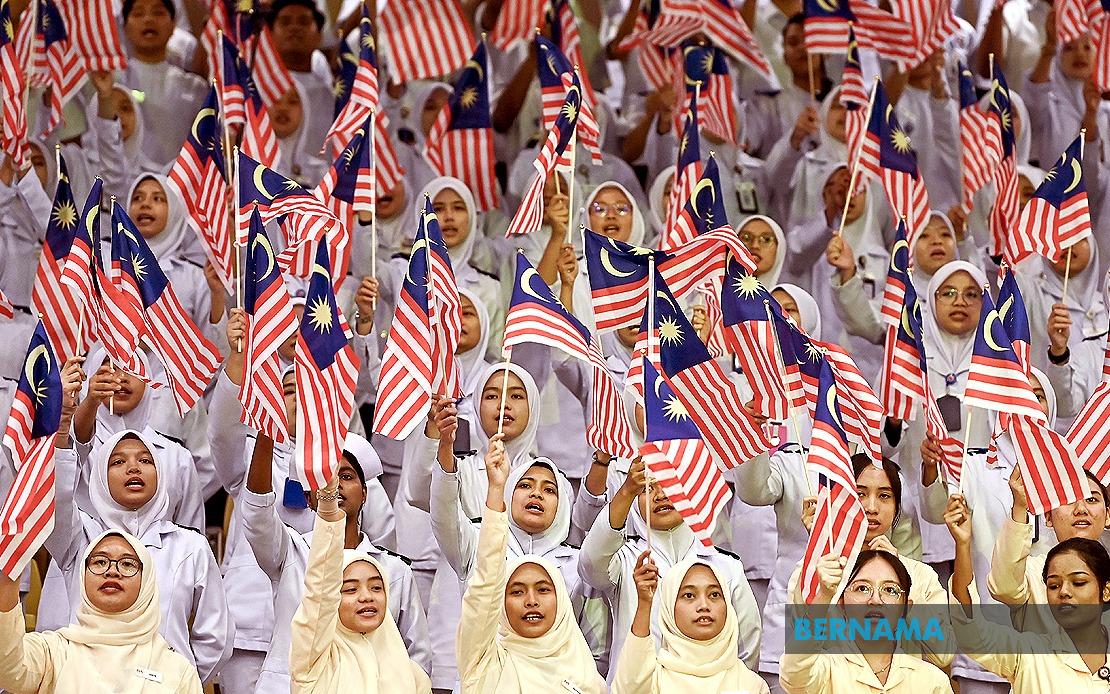
Malaysia's patriotic calendar will shift into high gear tomorrow when Prime Minister Datuk Seri Anwar Ibrahim presides over the official launch of the 2026 National Month and Fly the Jalur Gemilang (MPBKKJG 2026) Campaign. Scheduled for 10 am at Dewan Sri Perdana, Sultan Azlan Shah, Ministry of Health Training Institute (ILKKM SAS) Tanjung Rambutan in Ipoh, the event is poised to draw approximately 3,000 Malaysians spanning diverse communities, professions, and backgrounds. The occasion will serve as the formal kickoff for celebrations spanning both National Day on August 31 and Malaysia Day on September 16, anchoring the nation's commemorative calendar for the remainder of the year.
The centrepiece of tomorrow's ceremony involves a ceremonial handover of the Jalur Gemilang to a nine-member Royal Malaysian Navy team, who will raise a 6 by 12-foot national flag whilst Negaraku plays and citizens recite the Rukun Negara pledge. This flag-raising tradition represents a symbolic return to prominence after being absent from the launch programme for the previous two years owing to logistical constraints at earlier venues. The restoration of this patriotic ritual underscores the government's commitment to reinstating meaningful ceremonial elements that reinforce national identity and collective pride amongst Malaysians.
Communications Minister Datuk Seri Fahmi Fadzil will join Anwar at the launch, alongside Perak Menteri Besar Datuk Seri Saarani Mohamad, reflecting the broad political support for the campaign. The programme will feature the public debut of the HKHM2026 theme song, composed and performed by a prominent local artist whose contribution adds cultural resonance to the celebrations. Beyond these highlights, a specially arranged medley of patriotic compositions will be performed by the ILKKM choir, an ensemble of approximately 200 trainees whose voices will amplify the celebratory mood.
This year's campaign departs from previous iterations by adopting a deliberately restrained, closed-door format that prioritises intimate participation over mass congregation. Nevertheless, organising authorities have ensured nationwide access through strategic media partnerships. Radio Televisyen Malaysia (RTM) will provide broadcast coverage, whilst the Malaysian National News Agency (Bernama) alongside the Communications Ministry, Information Department (JAPEN), and Merdeka360 will stream proceedings live via their respective social media channels and Facebook platforms, democratising participation for Malaysians unable to attend physically.
Preceding the main ceremony, the Patriot Merdeka Run will energise the morning from early hours, with Communications Ministry secretary-general Datuk Abdul Halim Hamzah conducting the flag-off. Organisers anticipate approximately 2,000 participants will take part in this fitness-centred patriotic gesture, transforming physical exertion into an expression of national affection. The run exemplifies how contemporary Malaysia frames patriotism as an accessible, community-driven endeavour encompassing diverse age groups and fitness levels.
Beyond tomorrow's launch, the campaign framework encompasses an ambitious slate of programmes structured around the 1Rumah 1 Jalur Gemilang (1R1JG) initiative, which mobilises nine thematic clusters spanning industry, education, security, health, government agencies, higher education, and community participation. Two novel clusters have been added this iteration, specifically targeting places of worship and sports organisations, reflecting recognition that patriotic expression flourishes across institutional and spiritual dimensions of Malaysian society. This expanded architecture contrasts with narrower, government-centric approaches, instead distributing celebratory responsibility across society's varied pillars.
Supplementary programmes scheduled throughout the National Month period include the Kembara Bahasa Hari Kebangsaan and RIUH Merdeka initiatives operating under the broader Kira Detik programme, both designed to sustain momentum leading toward the culminating National Day observance at Dataran Putrajaya on August 31. Meanwhile, Malaysia's federal territory will host the national-level Malaysia Day celebration in Sarawak on September 16, geographically emphasising the constitutional significance of Sarawak and Sabah's federal partnership. This geographic distribution ensures that celebrations resonate across Malaysia's diverse regions rather than concentrating attention upon peninsular centres.
The campaign's digital dimension harnesses social media momentum by encouraging Malaysians to adopt the Jalur Gemilang as their profile pictures and to amplify celebratory content utilising designated hashtags: #HKHM2026, #MalaysiaMADANI, #KesejahteraanDinikmati, and #Merdeka360. This crowdsourced approach to patriotic expression reflects contemporary realities wherein national sentiment increasingly circulates through digital channels rather than exclusively through traditional public gatherings. By providing structured hashtags and visual symbols, the campaign leverages organic social sharing to extend reach far beyond formal events.
Fahmi disclosed earlier that this year's celebrations centre upon the theme "Malaysia MADANI: Kesejahteraan Dinikmati" (Malaysia MADANI: Prosperity Enjoyed), aligning National Month commemorations with the government's broader policy architecture and developmental vision. The Malaysia MADANI logo will persist as the official celebration emblem through the following year, ensuring visual consistency and repeated brand reinforcement. This thematic coherence demonstrates how Malaysia's political leadership integrates nationalist commemoration with contemporary governance narratives, framing patriotism not as nostalgic backward-gazing but as forward-looking participation in shared prosperity and societal development.

