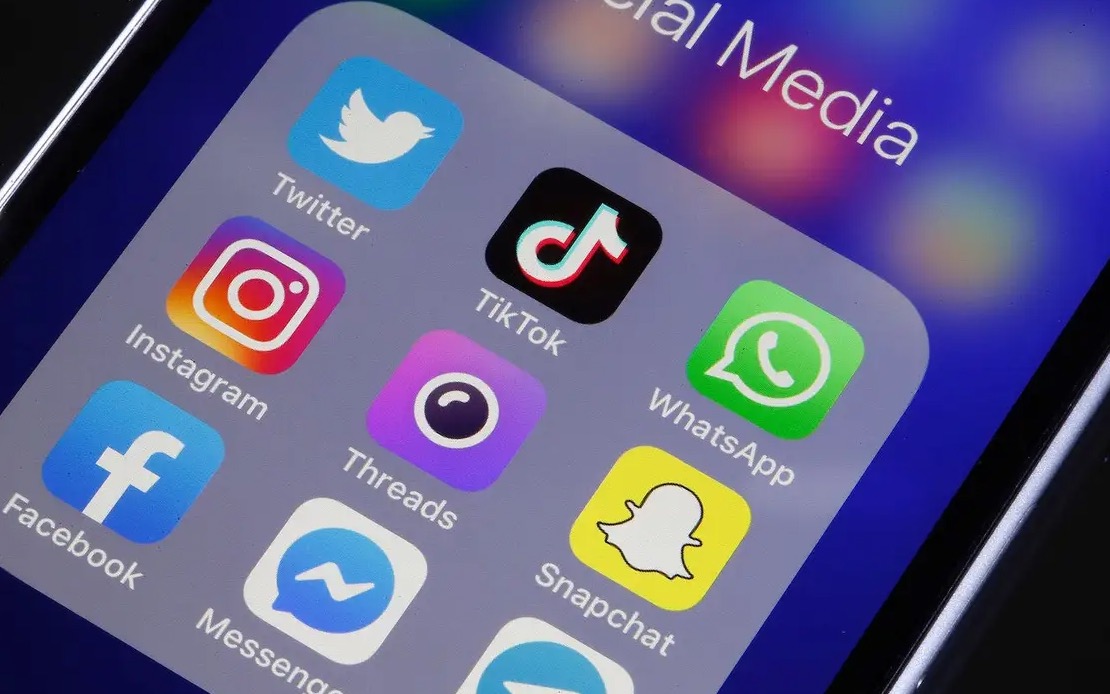
The Malaysian Communications and Multimedia Commission (MCMC) has successfully taken down 11,600 pieces of false and deepfake content in response to nearly 12,500 complaints involving artificial intelligence misuse, Deputy Communications Minister Teo Nie Ching announced in Parliament on June 30. The removals were achieved through formal takedown requests sent by the MCMC to social media platforms, demonstrating the regulator's active enforcement posture against synthetic media threats that increasingly plague the digital landscape across Southeast Asia.
The escalation in deepfake-related complaints reveals an alarming trajectory that policymakers are struggling to contain. Grievances about deepfake content have multiplied more than eightfold in less than two years—rising from just 917 complaints in 2024 to 3,612 in 2025, before climbing further to 7,967 by mid-June of this year. This explosive growth underscores how rapidly artificial intelligence tools for generating convincing false images, videos, and audio have proliferated among malicious actors, from political operatives seeking to damage reputations to scammers attempting to defraud the public.
To address this escalating challenge, Malaysia's government has implemented a comprehensive regulatory framework through the Risk Mitigation Code (RMC) incorporated into the Online Safety Act 2025. This legislation mandates that licensed social media platforms establish and maintain robust safeguards specifically designed to detect and mitigate AI-generated content that poses risks to users. The framework shifts responsibility onto platform operators, compelling them to demonstrate compliance with these obligations or face severe consequences for negligence.
The MCMC has embarked on detailed assessments of how major social media platform providers are executing their responsibilities under the new regulatory regime. These evaluations go beyond simple compliance audits; they examine whether platforms have deployed adequate technological systems, trained sufficient moderation teams, and established transparent processes for responding to deepfake reports. The regulator's hands-on engagement signals recognition that self-regulation alone has proven inadequate in managing synthetic media threats.
Beyond content removal, the MCMC functions as a critical technical partner for law enforcement agencies investigating the most serious AI misuse cases. The commission provides digital forensic analysis, technical profiling information, and other investigative support that helps police and other authorities build cases against individuals creating and distributing deepfakes for illegal purposes. Additionally, the regulator conducts proactive surveillance of social media platforms to identify emerging AI-generated content before users report it, taking a preventative rather than purely reactive approach.
Scam-related advertising represents another frontier in the deepfake and AI misuse battle. Social media platforms are now required under the RMC to verify the identities of all advertisers, utilising government agencies such as the Companies Commission of Malaysia to ensure that only legitimate business entities can purchase advertising slots. This authentication requirement aims to prevent fraudsters from creating fake accounts and purchasing advertisements to promote scams, financial schemes, and other illicit activities that exploit the trust users place in platform-displayed content.
The regulatory consequences for non-compliance are designed to be sufficiently punitive to motivate platform investment in safety infrastructure. Licensed platforms that fail to meet their obligations under the Risk Mitigation Code face potential prosecution, and upon conviction can be fined up to RM1 million, with the possibility of additional financial penalties reaching RM10 million. These substantial penalties position Malaysia among jurisdictions taking aggressive regulatory action against major tech platforms over content moderation failures.
For Malaysian citizens, the rising deepfake threat carries particular relevance during election seasons and periods of political tension, when synthetic media portraying politicians in compromising or false situations can rapidly spread and influence public perception. The country's multiethnic and multireligious composition also makes it vulnerable to deepfakes designed to inflame communal tensions or spark civil unrest. The government's proactive stance reflects understanding that deepfake technology poses not merely individual privacy and economic risks, but genuine threats to national stability and democratic processes.
Regional implications extend across Southeast Asia, where similar technological vulnerabilities affect nations with comparable media landscapes, social media penetration rates, and political sensitivities. Malaysia's regulatory approach—combining platform accountability, law enforcement support, and substantial financial penalties—offers a model that other ASEAN nations may study as they develop their own AI misuse frameworks. The success or failure of Malaysia's enforcement will provide important lessons about whether stringent regulations can meaningfully slow the proliferation of deepfakes in developing digital economies.
The dramatic increase in complaints also raises questions about public awareness and reporting behaviour. Whether the eightfold surge reflects genuinely more deepfakes being created or more people recognising and reporting synthetic content remains unclear. Regardless, the MCMC's ability to process and act on nearly 12,500 complaints while removing over 11,600 items suggests that awareness campaigns have successfully educated Malaysians about reporting mechanisms, though the sheer volume of new complaints underscores that the deepfake problem continues accelerating faster than removal efforts.
Looking ahead, Malaysia's deepfake challenge will likely intensify as artificial intelligence tools become more sophisticated and more widely accessible. The government's emphasis on platform accountability and its deployment of technical expertise for investigations demonstrate commitment to the problem, yet the exponential growth in complaints suggests that regulatory measures and platform controls are currently struggling to keep pace with the underlying technological trend. Sustained investment in detection technology, international cooperation on cross-border deepfake cases, and public education will remain essential components of any comprehensive strategy.

