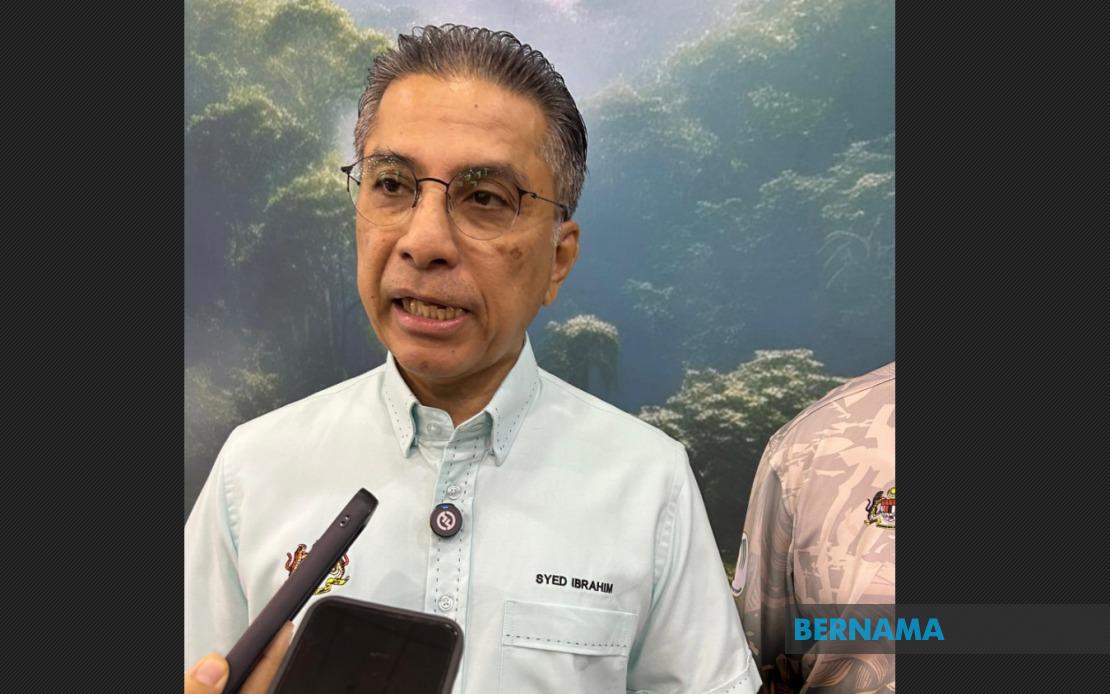
The Malaysian government has established a comprehensive oversight mechanism for three Asian elephants currently residing at Tennoji Zoo in Osaka, Japan, following their relocation in March as part of a landmark regional conservation initiative. Deputy Minister of Natural Resources and Environmental Sustainability Syed Ibrahim Syed Noh confirmed during parliamentary proceedings that the Ministry is maintaining close vigilance over the animals—identified as Dara, Amoi and Kelat—to ensure their wellbeing throughout the critical adaptation period. This hands-on approach reflects growing international attention to the welfare standards of captive wildlife transferred between zoological facilities across different continents.
The three elephants form the cornerstone of an ambitious 25-year strategic ex-situ conservation cooperation programme established between Taiping Zoo and Night Safari (ZTNS) and Tennoji Zoo. This partnership represents a significant commitment to structured animal welfare management and represents the type of long-term collaboration increasingly favoured by modern zoos seeking to balance entertainment, education and genuine conservation outcomes. The agreement positions both institutions as collaborative partners in what proponents argue contributes to broader species preservation efforts, though the arrangement has generated discussion within Malaysian wildlife advocacy circles about the appropriateness of overseas relocation.
Before proceeding with the transfer, the Department of Wildlife and National Parks (Perhilitan) undertook an extensive evaluation process designed to safeguard the elephants' interests. The assessment examined both the physical infrastructure and psychological readiness of the receiving facility, ensuring Tennoji Zoo met stringent international wildlife management standards. This preparatory work demonstrates Malaysia's commitment to evidence-based decision-making in wildlife diplomacy, moving beyond assumptions to verify that destination facilities possess genuine capacity to provide appropriate care. Such rigorous pre-relocation audits are increasingly recognised as essential practice within the global zoo community.
The presence of Malaysian mahouts—experienced elephant handlers—has been crucial to the animals' transition. Seven Perhilitan mahouts rotated through the facility during the initial two-month period following the March relocation, providing continuity of care and helping the elephants navigate the significant environmental and social changes inherent in international transfers. This staffing commitment reflected recognition that mahouts familiar with each animal's temperament, behavioural quirks and preferences could facilitate smoother acclimatisation than Japanese handlers unfamiliar with Malaysian-raised elephants. The investment in personnel underscores how modern conservation involves significant logistical and human resource commitments beyond simple animal movement.
To sustain momentum through the longer-term adaptation process, the Ministry deployed additional mahout support during June, with two specialists stationed at the facility for the entire month. This phased staffing approach balances the need for ongoing Malaysian expertise with the expectation that Japanese handlers would gradually assume greater responsibility as the animals adjusted. The rolling schedule of support personnel reflects practical recognition that acclimatisation to a new climate, diet, physical environment and social structure cannot be rushed, and that animals require extended familiarisation periods to thrive in unfamiliar settings.
The parliamentary questioning that prompted these ministerial disclosures revealed underlying public concern about Malaysia's practices regarding animal exports. Backbench Member of Parliament Young Syefura Othman specifically enquired about monitoring mechanisms for wild animals sent abroad and sought clarity on historical export records. These questions reflected genuine civic engagement with animal welfare issues and broader questions about national stewardship of natural resources. The public scrutiny represents the democratic process functioning as intended, holding government accountable for decisions affecting Malaysia's biological heritage.
Calls from environmental organisations and civil society groups to repatriate the three elephants have complicated the diplomatic landscape. Syed Ibrahim responded by emphasising the government's commitment to ensuring cooperation adheres to legal frameworks while preserving Japan-Malaysia relations. This diplomatic positioning acknowledges the tension between domestic welfare concerns and international obligations—a challenge increasingly confronting developing nations engaged with developed countries on conservation matters. The statement suggests the Ministry prioritises maintaining institutional relationships and contractual obligations over responding to activist pressure, a position reflecting conventional diplomatic practice but potentially frustrating those prioritising immediate animal welfare outcomes.
Regarding proposals for independent international observers to visit the facility and assess conditions, the Ministry indicated readiness to facilitate such visits provided both zoo institutions consented and arrangements complied with existing contractual terms. This conditional willingness suggests openness to transparency while protecting institutional autonomy and contractual integrity. The pathway to independent verification, though requiring consensus between parties, represents a potential mechanism for addressing welfare concerns that satisfy both advocacy constituencies and diplomatic requirements. However, the requirement for mutual agreement effectively gives either institution veto power over external scrutiny.
Historical questions about elephant exports prompted clarification of Malaysia's official records on international animal transfers. Syed Ibrahim disputed claims that nineteen Malaysian elephants had been sent overseas, characterising such figures as unofficial speculation. Official Perhilitan documentation indicates only ten elephants have been exported internationally since 1977—a distinction between official records and public allegations that highlights potential discrepancies in how animal relocation history is documented and understood. These definitional debates matter substantively, as they shape how the public and policymakers assess whether current practices represent departures from established practice or continuations of longstanding arrangements.
The management of Malaysia's three elephants at Tennoji Zoo ultimately reflects broader tensions within modern conservation philosophy. Zoos increasingly present themselves as essential partners in species preservation, offering breeding programmes, genetic management and public education that theoretically benefit wild populations. Yet environmental advocates question whether captive breeding and international transfers genuinely serve conservation or primarily serve institutional interests in maintaining visitor attractions and international networking. Malaysia's careful monitoring and staffing commitments suggest genuine concern for animal welfare, yet also indicate the inherent complexities when national resources are deployed to ensure overseas animal care, potentially diverting attention and resources from wild population conservation within Malaysia itself.

