Malaysia is mobilising its diplomatic machinery to resolve a substantial compensation claim arising from the termination of a Naval Strike Missile system contract with Norwegian defence contractor Kongsberg Defence & Aerospace AS, signalling a structured approach to what threatens to become a protracted international dispute over defence procurement. Defence Minister Datuk Seri Mohamed Khaled Nordin confirmed on June 25 that both the Defence Ministry and Foreign Ministry have formally communicated Malaysia's position to the Norwegian government, establishing the groundwork for what is expected to be a complex negotiation process involving multiple institutional actors across two nations.
The decision to involve the Foreign Ministry and request the Norwegian government's mediation role represents a strategic escalation in the handling of the cancelled contract. Rather than pursuing purely bilateral negotiations between Malaysia's Defence Ministry and Kongsberg, the government has elevated the matter to interstate level, positioning Norway as a facilitator and mediator. This approach carries both advantages and risks, as it lends official weight to Malaysia's claims while simultaneously drawing a foreign government into what was originally a commercial transaction.
Datuk Seri Mohamed Khaled emphasised the government's commitment to resolving the dispute through formal channels, noting that necessary notices were issued from the outset. The Defence Minister's statement suggests that Malaysia has meticulously documented its position, a procedural detail that becomes critical in international commercial disputes where the strength of contractual interpretation often hinges on the clarity and timeliness of written communications. By securing Norway's governmental involvement, Malaysia seeks to ensure that Kongsberg cannot simply ignore official communications or claim ignorance of Malaysia's intentions regarding compensation.
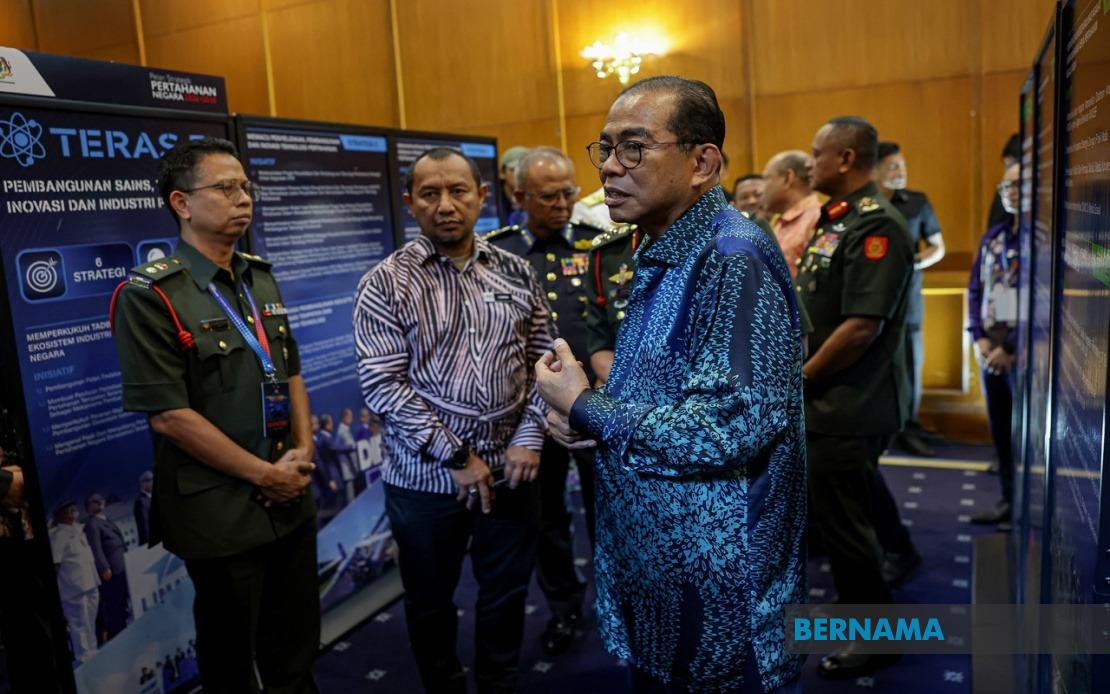
The disclosure of government action came during the launch of the National Defence Strategic Plan and Defence Capability Blueprint 2026-2030, an event attended by Chief of Defence Force General Tan Sri Malek Razak Sulaiman. The timing of the announcement appears deliberate, indicating that while Malaysia navigates compensation claims over a cancelled procurement, the broader defence acquisition strategy continues advancing. This parallel development underscores a critical reality for Southeast Asian nations: defence modernisation plans proceed even when individual programmes encounter obstacles, requiring governments to maintain momentum across multiple initiatives simultaneously.
The involvement of the Public Accounts Committee adds another dimension to the oversight structure surrounding this dispute. The PAC received a special briefing from the Defence Ministry and subsequently urged the government to strengthen both mitigation efforts and diplomatic engagement while protecting Malaysia's fiscal interests. This parliamentary scrutiny reflects growing awareness among Malaysian lawmakers that defence procurement decisions carry long-term financial consequences extending well beyond initial contract signatures. The PAC's emphasis on fiscal sovereignty acknowledges a concern particular to developing nations: ensuring that contractual disputes do not result in unfavourable settlements that set problematic precedents for future defence acquisitions.
The cancellation of the Naval Strike Missile contract represents a significant setback for Malaysia's naval modernisation agenda. Kongsberg's NSM system was intended to enhance the strike capabilities of Malaysian naval vessels, forming part of a broader effort to upgrade maritime security infrastructure in an era of rising regional naval competition and strategic uncertainty in Southeast Asian waters. The loss of this capability, even temporarily, creates a gap in the defence procurement pipeline during a period when Southeast Asian nations are intensifying efforts to strengthen military readiness.
Compensation claims from cancelled defence contracts typically hinge on demonstrating either breach of contract or material change in circumstances justifying termination. Malaysia must navigate complex legal and diplomatic considerations, including the strength of its contractual justification for cancellation, the quantum of damages Kongsberg may claim, and the broader precedent such a settlement might establish for future Norwegian-Malaysian defence relations. The involvement of Norway's government suggests that both nations recognise the relationship implications transcend the immediate commercial dispute.
For Malaysian defence policymakers, this situation illustrates the inherent risks of international defence procurement. Equipment sourced from overseas suppliers introduces contractual complexities, currency considerations, and geopolitical dimensions absent from domestic procurement. The cancellation decision, regardless of its merits, triggers compensation obligations that can consume budgets intended for alternative defence investments. This dynamic creates pressure to resolve such disputes expeditiously, potentially limiting Malaysia's negotiating leverage in seeking favourable settlement terms.
The diplomatic strategy of enlisting Norway's mediation role reflects broader regional patterns in how Southeast Asian nations handle defence disputes with European counterparts. Rather than contentious bilateral wrangling, governments increasingly seek third-party involvement to facilitate resolution while maintaining diplomatic relations. This approach assumes Norwegian interest in preserving defence-industrial relationships with Malaysia, as future procurement opportunities may depend on how current disputes are resolved. The Norwegian government's willingness to participate signals ongoing interest in the Malaysian defence market despite the current contretemps.
Moving forward, the trajectory of this compensation claim will reveal much about the practical limits of Malaysia's diplomatic influence and the precedents Malaysia establishes regarding defence procurement accountability. A settlement favouring Malaysia might encourage greater assertiveness in future contractual disputes; conversely, a settlement perceived as unfavourable could lead to more cautious defence procurement approaches. The involvement of Foreign Ministry and Norwegian government intervention suggests Malaysia recognises that sustainable resolution requires managing not only the immediate financial claim but also the longer-term bilateral relationship with a valued defence partner.

